



First stone castle built by a Welsh ruler
Site of the first recorded Eisteddfod, held in 1176
Royal Institution of Chartered Surveyors (RICS) Wales — Regeneration and Community Benefit, Winner (2016)
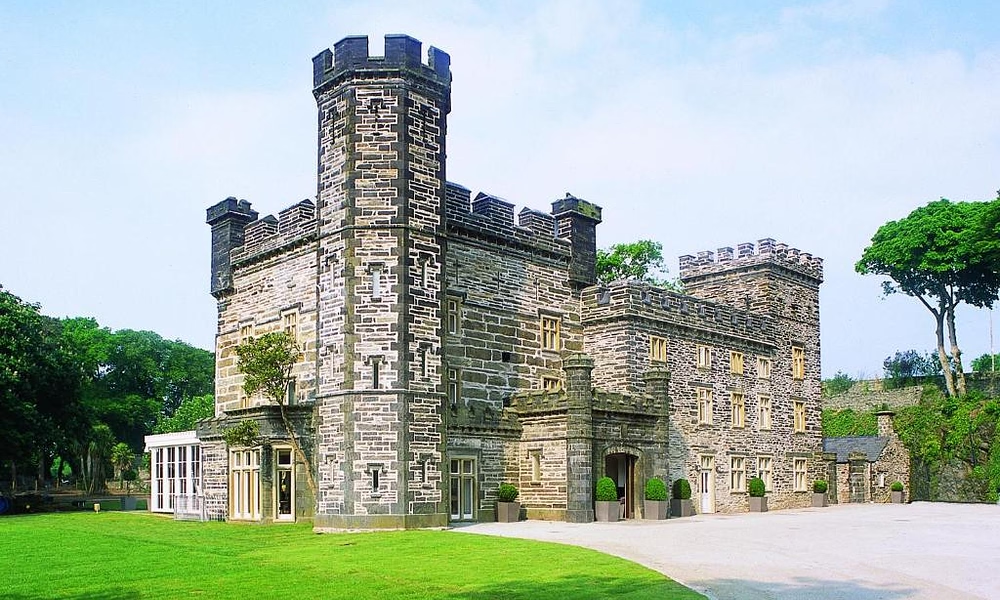
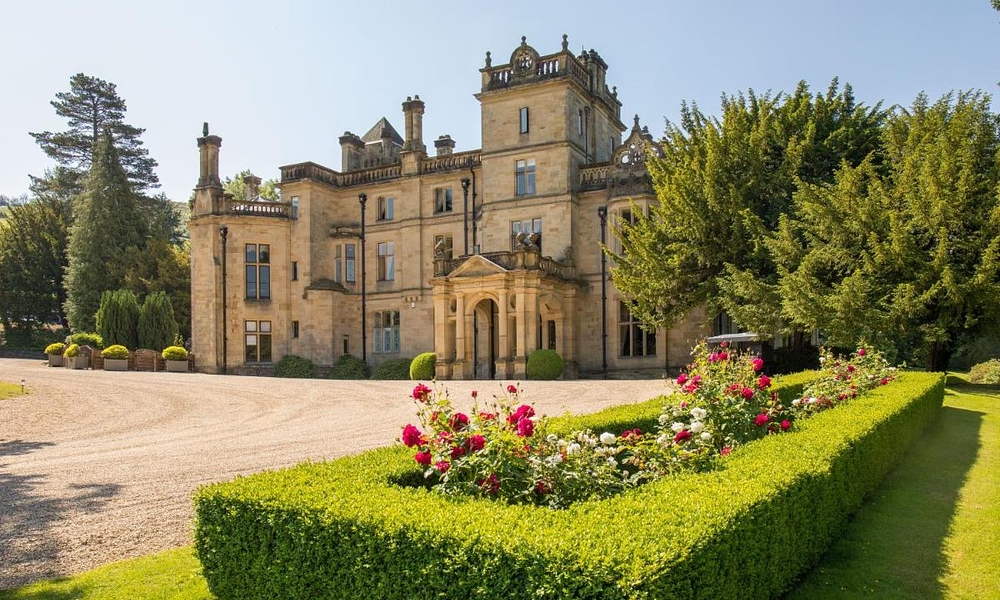
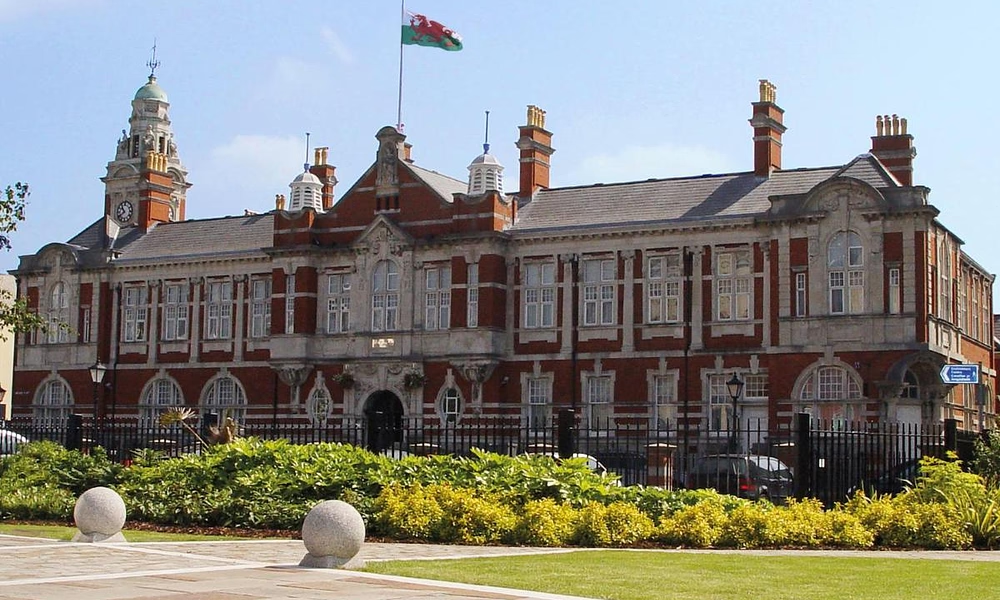
Cardigan Castle was first built in 1110 by Gilbert Fitz Richard de Clare and later rebuilt in stone by Lord Rhys, making it the first stone castle constructed by a Welsh ruler. Today, the complex includes six Grade II listed buildings and has earned multiple awards for its restoration, including Channel 4’s Restoration of the Year. Visitors can savor locally sourced dishes at 1176, the onsite restaurant, or enjoy the castle’s vibrant events, from open-air opera and cinema nights to seasonal workshops and festive Christmas fairs. The castle’s riverside location is a major draw, with visitors able to explore Cardigan town, stroll along the river, and uncover hidden heritage spots, making it a perfect base for history, culture, and adventure.
Green Street, Cardigan, Cardigan, United Kingdom, SA43 1JA
References from 1093 suggest that Earl Roger de Montgomery established a castle at the Teifi estuary, although this likely refers to the earlier site known as Old Castle. The present site of Cardigan Castle has been continuously occupied since 1110, when Gilbert Fitz Richard de Clare built a wooden fortification here.
In November 1165, the Welsh ruler Rhys ap Gruffydd, better known as Lord Rhys, captured the castle and ordered its destruction. By 1171, he had moved his main court to Cardigan and began rebuilding the castle in stone. This reconstruction is widely believed to be the first stone castle built by a Welsh ruler. To celebrate the completion of the new stronghold, Lord Rhys hosted a major cultural gathering in 1176, now recognized as the first recorded Eisteddfod, placing Cardigan at the center of Welsh cultural history.
Between 1215 and 1245, the castle changed hands several times. On February 14, 1254, Cardigan Castle was granted to Prince Edward. After becoming King Edward I, he later designated Cardigan as the county town of Cardiganshire in 1279, reinforcing its administrative importance.
Major renovations took place in 1428 and 1429 during the ownership of Prince Henry. The castle later suffered severe damage during the English Civil War. In 1644, Parliamentarian forces led by General Laugharne captured the castle. Royalist troops attempted to retake it the following year, resulting in the partial destruction of Cardigan Bridge. The Royalists were defeated, and the castle was left burned and deliberately damaged.
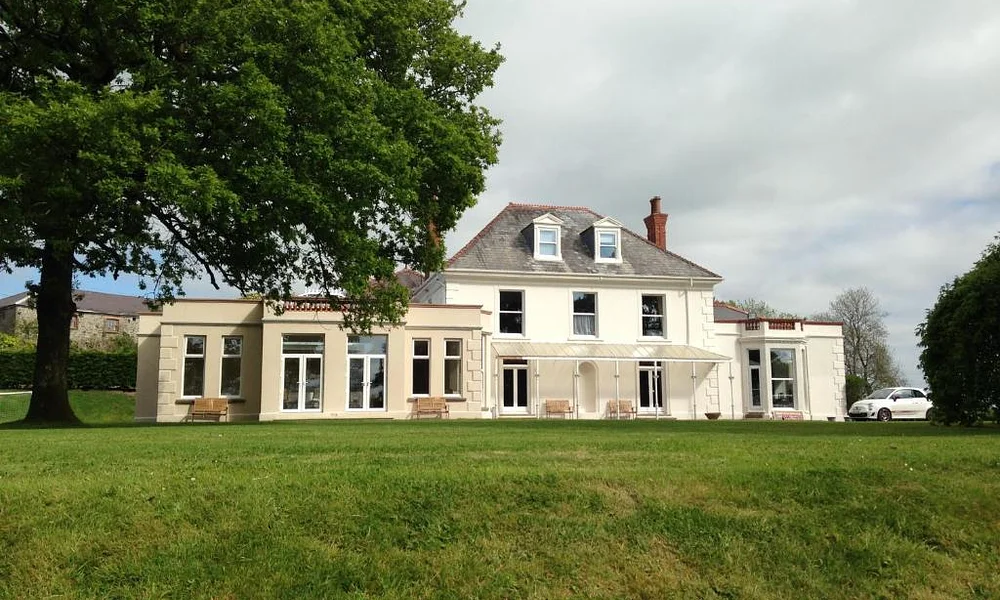
In 1808, much of Castle Green House was built within the castle grounds and extended in 1827. By 1984, it was declared unfit for habitation. In 2001, the local paper, The Tivy-Side Advertiser, launched a Save the Castle campaign, leading to the castle’s purchase by Ceredigion County Council in 2003. Restoration followed, and Cardigan Castle reopened to the public in 2015 as a heritage attraction with accommodation, event spaces, and an on-site restaurant.
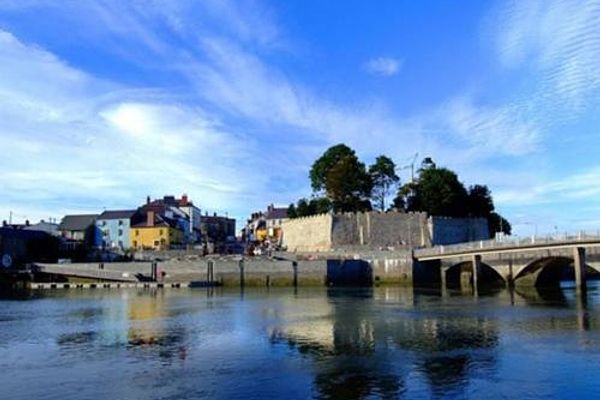
Cardigan Castle is shaped by its riverside setting, sitting on a rocky outcrop beside the River Teifi. The design works closely with the landscape, with low cliffs and the river edge defining the southern and eastern sides. The more accessible north and west were protected with a moat.
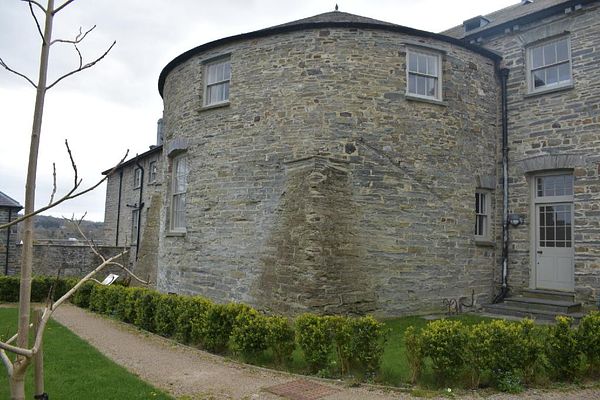
The castle follows medieval Norman and early Welsh stone castle design, with thick defensive walls, rounded towers, and a layout focused on strength. To the north, the outer bailey once held working and service buildings and still forms a natural link between the castle and the town. The Great Tower is the most noticeable structure on the site. Set along the northern edge and extending beyond the main walls, its horseshoe shaped plan and heavy stone buttresses give it a strong presence.
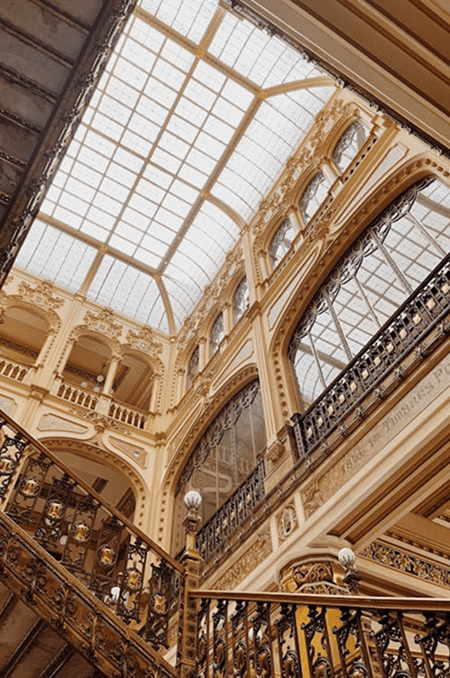
Today, the castle complex includes six Grade II listed buildings. Original stonework sits alongside carefully planned modern additions that allow the site to function as a living space. Restoration focused on architectural detail, including the reproduction of 19th century wallpapers, repairs to Regency plasterwork, and the restoration of fine joinery such as an 18th century mahogany staircase. Together, these elements bring historic design and present day use together in a clear, functional way.
Dining at Cardigan Castle takes place at 1176, the on-site café and restaurant. The name marks the year of the first recorded National Eisteddfod, held here in Cardigan, connecting the space to the castle’s cultural roots. The menu highlights locally sourced ingredients from the surrounding land and waters. Seasonal produce shapes every dish, from fresh seafood and hearty meat options to vegetarian choices and a small selection of desserts. By working closely with local producers, the restaurant offers food that feels both fresh and connected to the area.
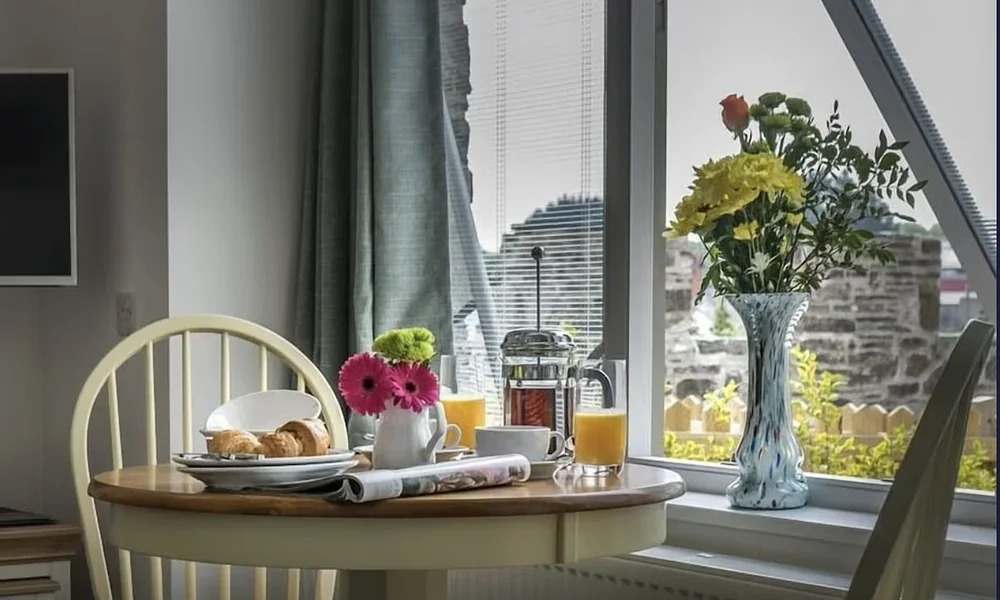
Mornings start with a continental breakfast, featuring freshly baked pastries, cured meats and cheeses, seasonal fruit, and fresh juice. Whether stopping in for coffee, a light lunch, or a full meal, 1176 offers thoughtful dining that complements a visit to Cardigan Castle.
If you’re planning a wedding, Cardigan Castle is a wonderful choice for a memorable day. Couples can exchange vows in a variety of beautiful spots, from the historic Castle Green House to the gardens overlooking the River Teifi. Whether it’s a small, intimate ceremony or a larger celebration, the castle offers spaces that feel special and welcoming. You can even book a tour and tasting to plan your day in advance.
The events team is on hand to make everything easier, helping with catering, décor, music, and all the little details that matter. On-site accommodation means couples and guests can stay close and fully enjoy the castle’s atmosphere. With its historic buildings, scenic views, and versatile spaces, Cardigan Castle makes it easy to have a wedding that feels memorable and magical.
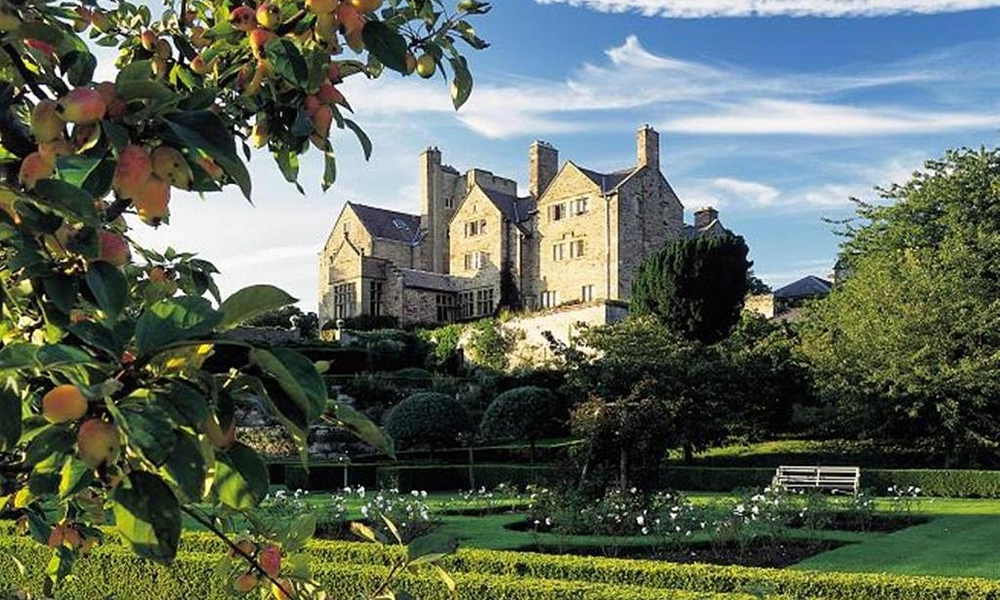
Visiting Cardigan Castle is like stepping into a living story. Inside Castle Green House, you can wander through rooms and exhibitions that reveal centuries of life, then head outside to explore the gardens, where the Eisteddfod Chair, Whale Bone Arch, and sculptures of Lord Rhys and the Sword of Peace quietly tell the castle’s history. You can stroll the Hanging Garden or the Regency Garden, see the crops that feed the castle’s café, or let the kids play on the lower-ground playground while you take in the views across the lawn.
The castle also hosts a lively range of events throughout the year. From open-air opera and cinema nights to family festivals and children-specific activities, the grounds buzz with energy for visitors of all ages. You can also try your hand at the escape rooms, where history becomes a playful mystery, or explore the Castle Collection to dive into the castle’s archives and relics. Before you leave, a stop at Siop Y Castell, the castle shop, is perfect for picking up souvenirs, local crafts, or gifts inspired by the castle.
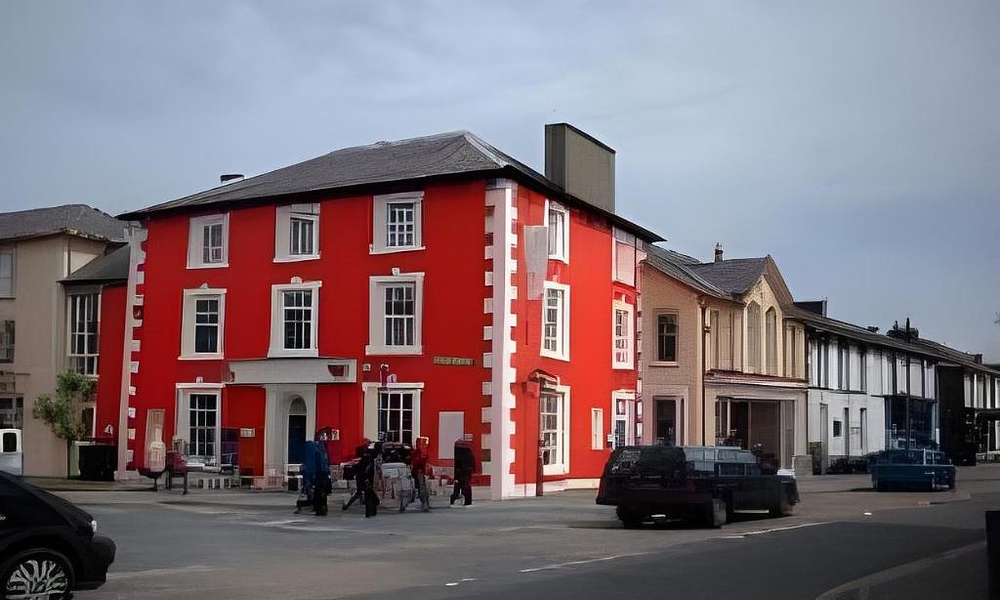
Step beyond the castle, and the town of Cardigan is just waiting to be explored. You can wander the high street and pop into independent shops, stop at a cozy café for a coffee or a sweet treat, or sample some of the local bakeries and restaurants. If you love being outdoors, the River Teifi offers plenty to enjoy. Take a walk along its banks or even a canoe trip, keeping an eye out for kingfishers, otters, and wading birds that make the river their home.
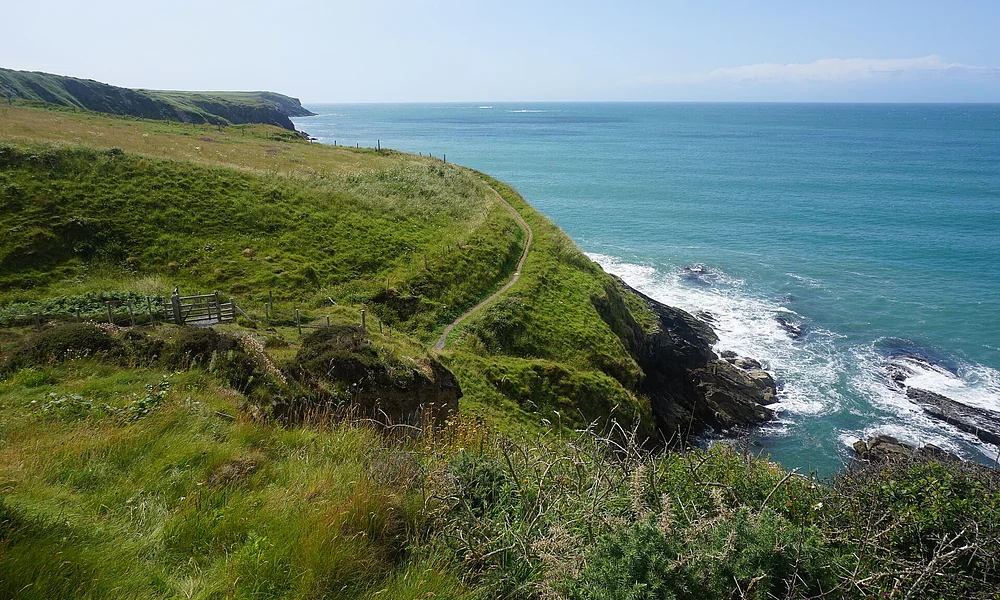
For those who want a longer adventure, the Ceredigion and Pembrokeshire Coast Paths stretch out along cliffs and sandy beaches, with sweeping views at every tur and if you’re lucky, you might even spot dolphins playing just off the coast. Whether you’re strolling through town, enjoying wildlife along the river, or taking in the dramatic coastline, there’s always something to see and do just beyond the castle walls.
During the holiday season, Cardigan Castle transforms into a festive wonderland with its annual Christmas Fair. Visitors can get creative with pottery painting, wreath-making workshops, and paint-your-own Christmas bauble activities, perfect for families and friends. Mulled wine, mince pies, and seasonal treats add warmth, while the castle grounds are decorated with festive foliage, creating a cozy and joyful atmosphere. The event combines craft, food, and fun, making it more than just a fair, but a celebration of the season in a historic setting.
Cardigan Castle is a versatile venue, hosting both private and corporate events. From small, intimate gatherings to larger celebrations for up to 100 people, the castle provides a range of rooms that can be adapted to suit any occasion. Food and drinks are prepared onsite at 1176, the castle’s restaurant, offering freshly made options for every event.
The castle also serves as a unique location for TV, film, and radio productions, from period dramas to modern-day interviews. Staff work closely with production teams to transform spaces, manage logistics, and provide access to on-site parking and accommodation if needed. Whether it’s a corporate meeting, a private celebration, or a creative project, Cardigan Castle offers flexible spaces set within a heritage landmark, making every event truly special.
A peaceful woodland by the River Teifi, full of ancient trees, wildlife, and quiet trails for relaxing walks and birdwatching. (7-minute drive)
Dramatic 13th‑century ruins above the Teifi Gorge, offering scenic views, gentle walks, and a sense of medieval history. (9-minute drive)
A charming historic watermill where you can watch stone-ground flour, explore a small museum, and enjoy a coffee stop. (3-minute drive)
Cardiff Airport (CWL) is the closest airport to Cardigan Castle, around 2 hours away by car.
Carmarthen Railway Station is the closest major railway station to the hotel, about 50 minutes away by car.