Awarded two AA Rosettes, held consistently for years
Designated a Grade II listed building in 1971, with parts of the village holding Grade I status
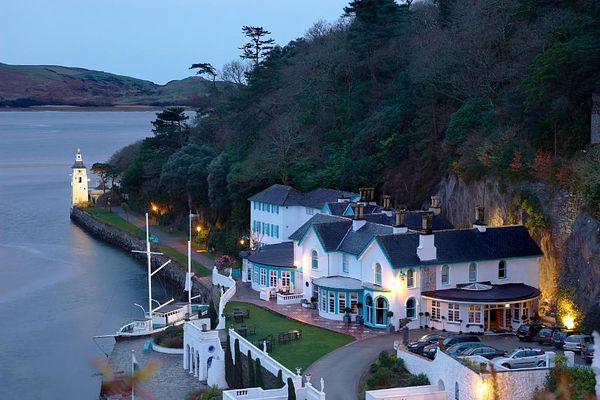
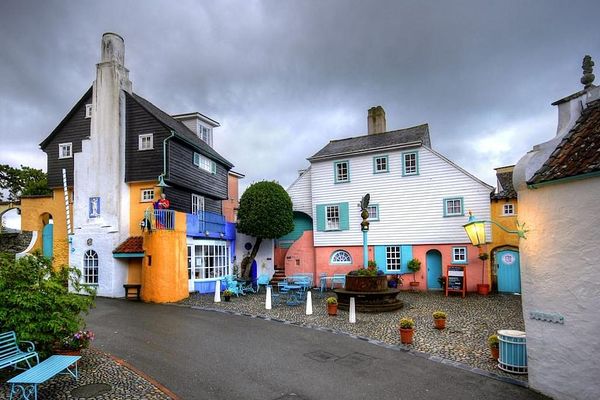
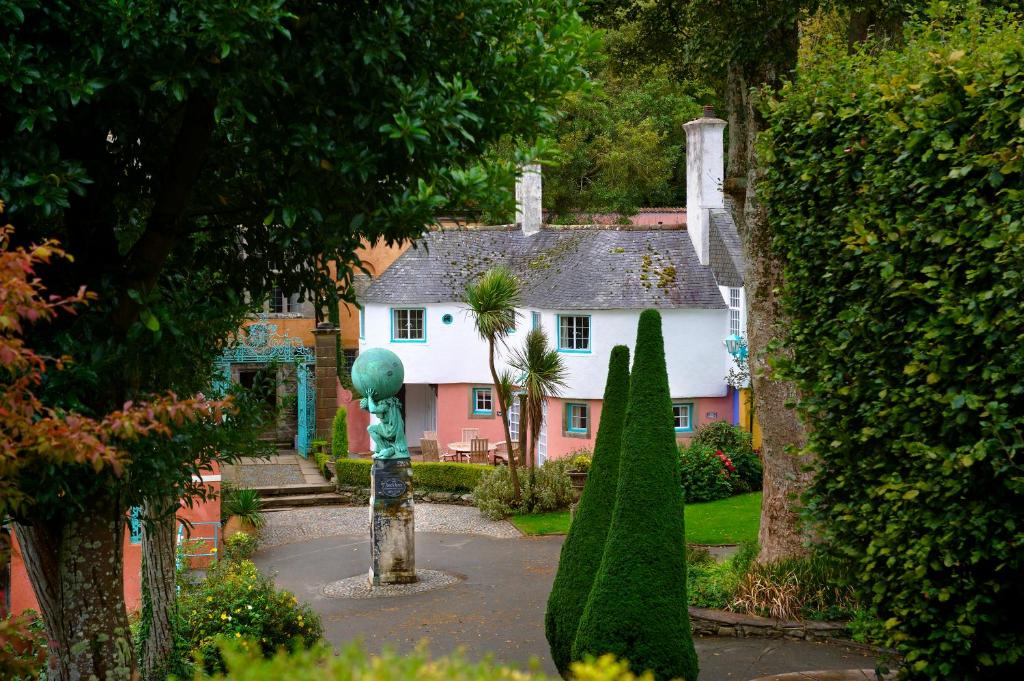
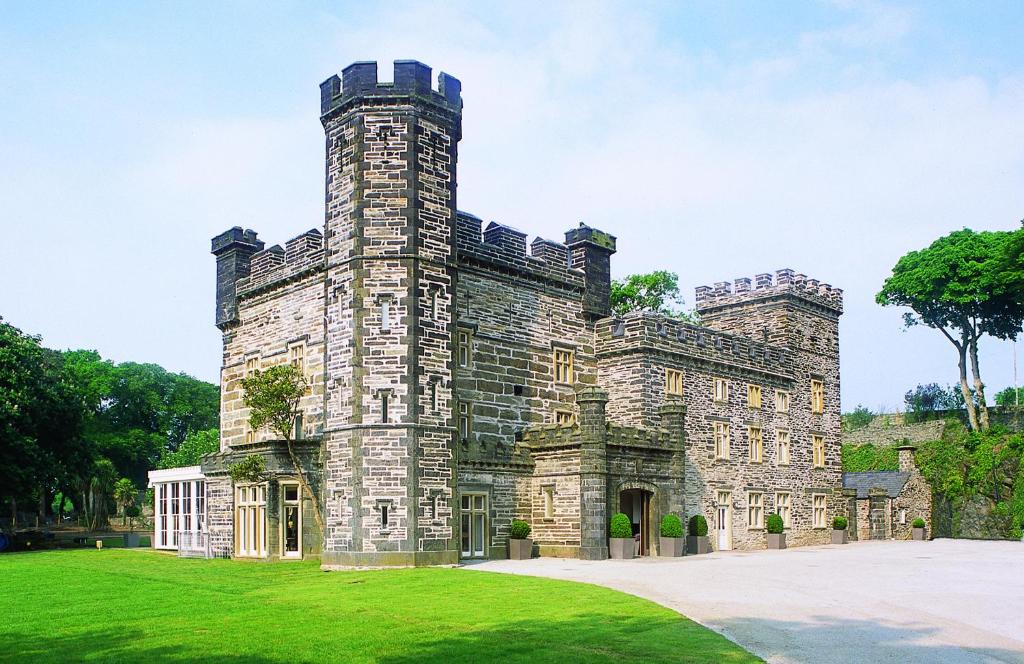
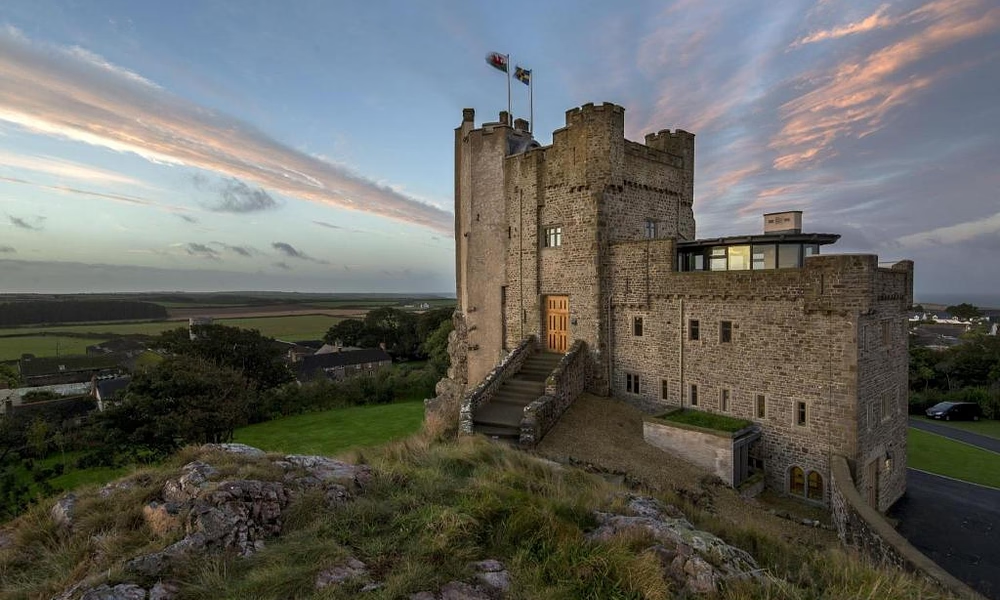
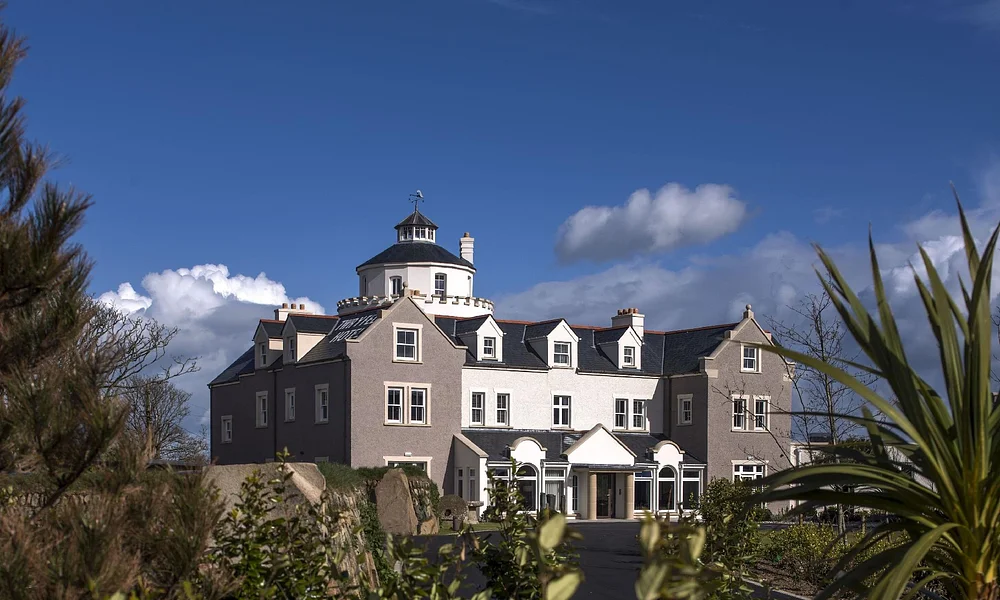
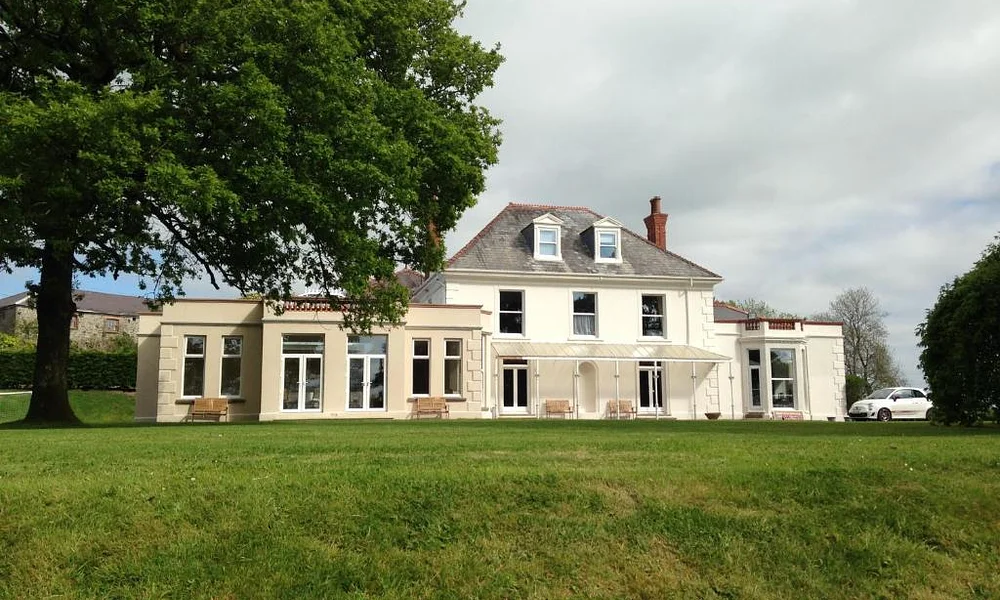
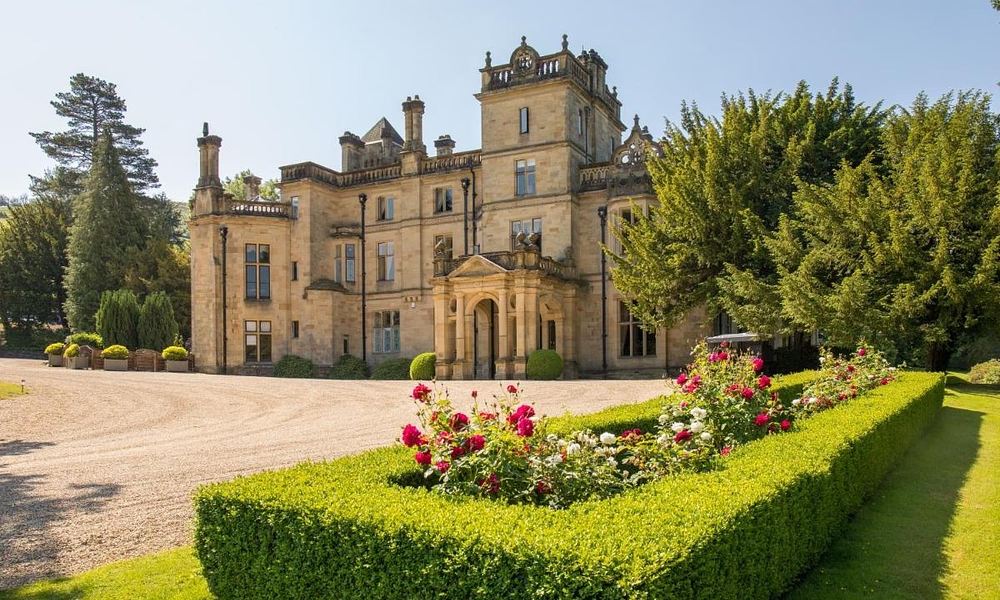
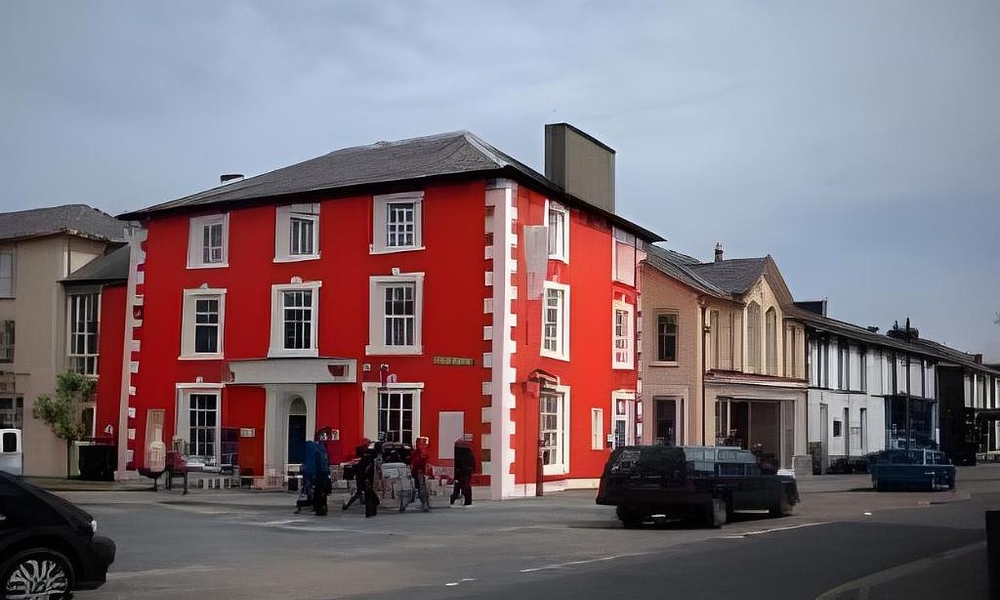
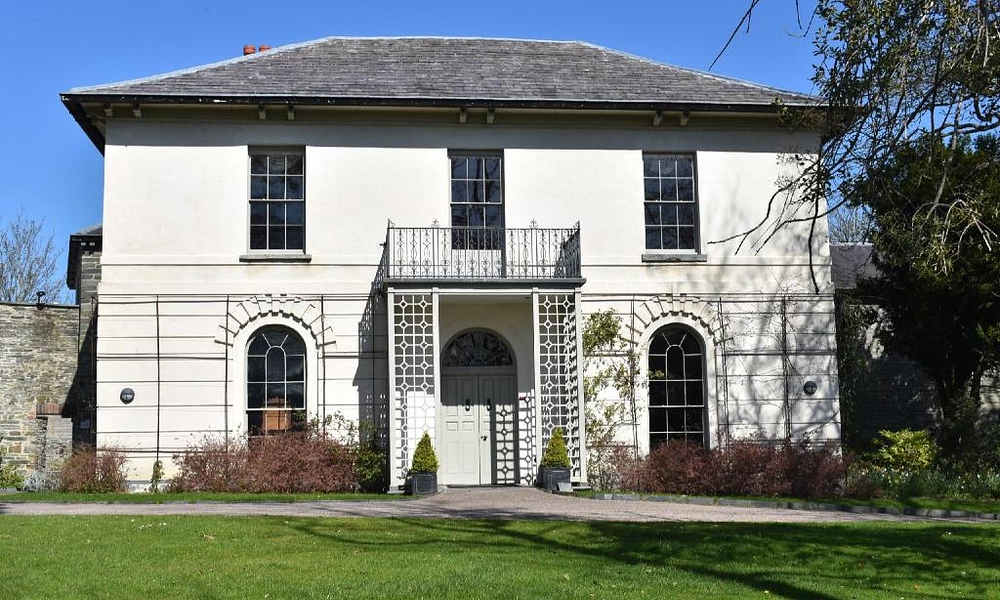
Portmeirion Village is the brilliant creation of Welsh architect Clough Williams-Ellis, who spent nearly 50 years shaping this colorful coastal village after buying Aber Iâ estate in 1925. The hotel sits above the Dwyryd Estuary, with art deco touches. Its Dining Room holds two AA Rosettes, serving Welsh cuisine, and the Victorian Terrace offers panoramic views of the village and estuary. Within the estate, Castell Deudraeth, originally recorded in 1188, sits higher on the estate and impresses with historic grandeur and a curated collection of paintings. Visitors can wander along scenic paths, discover one-of-a-kind treasures in the village’s quirky shops, and immerse themselves in the festive events, from the Christmas Fair to the unforgettable New Year celebrations.
Minffordd, Penrhyndeudreath, Penrhyndeudreath, United Kingdom, LL48 6ER
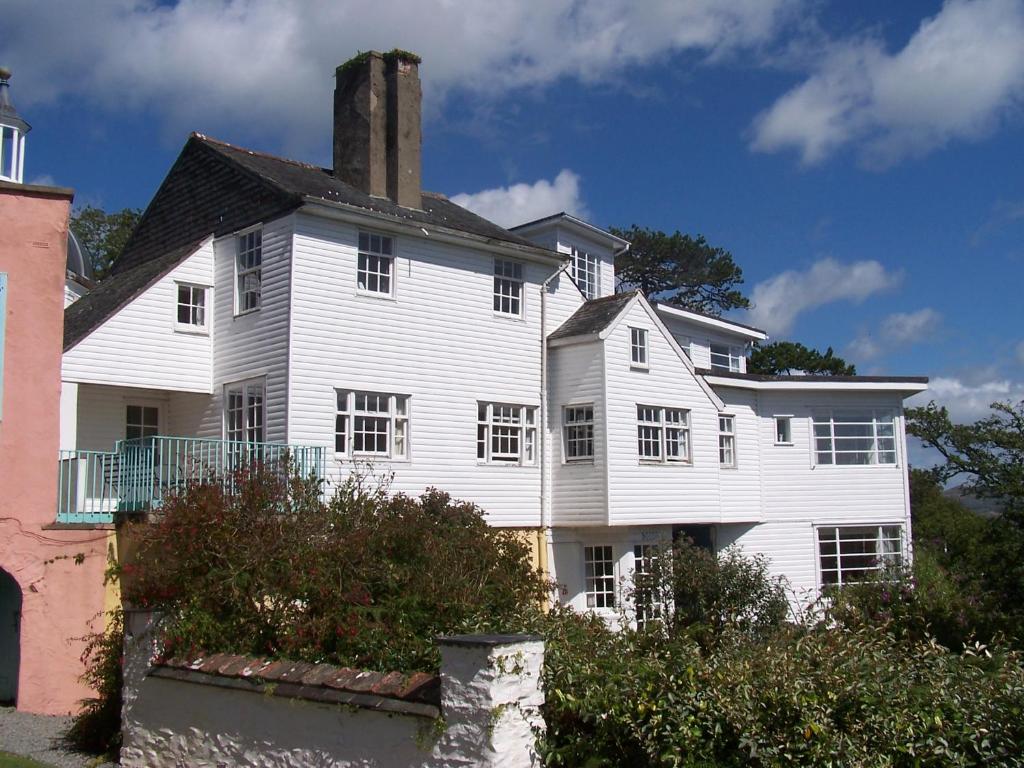
Portmeirion Village is the lifelong project of Welsh architect Clough Williams-Ellis, who built it between 1925 and 1973. He bought the Aber Iâ' estate in 1925 after years of searching for the right location for his idea of an ideal coastal village. When the land near Penrhyndeudraeth became available, he did not hesitate. Clough believed that a naturally beautiful place could be developed without damaging it. In fact, he felt that thoughtful design could make the setting even better. The site offered steep cliffs, woodland, streams, sandy estuary views, and a small group of older buildings, all of which suited his vision perfectly.
However, the history of the land goes back much further. In 1188, Gerald of Wales recorded the construction of Castell Deudraeth in this area. By 1700, scholar Edward Lhuyd described the castle as a ruin overlooking the peninsula, still known then as Aber Iâ. In 1861, writer Richard Richards painted a picture of a quiet estate with gardens, wildlife, and a large mansion by the shore.
When Clough acquired the land, he described it as neglected and abandoned. He renamed it Portmeirion, combining its coastal setting with the Welsh name for Merionethshire. One of his first projects was turning the old house into Hotel Portmeirion, which opened in April 1926. Construction commenced in two phases. From 1925 to 1939, the village plan took shape. From the 1950s to the 1970s, Clough added classical details and reused parts of buildings saved from demolition. The final building, the Tollgate, was completed when he was 93 years old.

Hotel Portmeirion
Portmeirion’s design comes together through two key buildings, each showing a different side of Clough Williams-Ellis’s ideas. As the heart of the village, Hotel Portmeirion sits right above the Dwyryd Estuary, with sandy shoreline views and a calm, coastal feel. The hotel is small and personal, with 14 bedrooms, a restaurant, bar, terrace, and a few quiet lounges to sit back in.
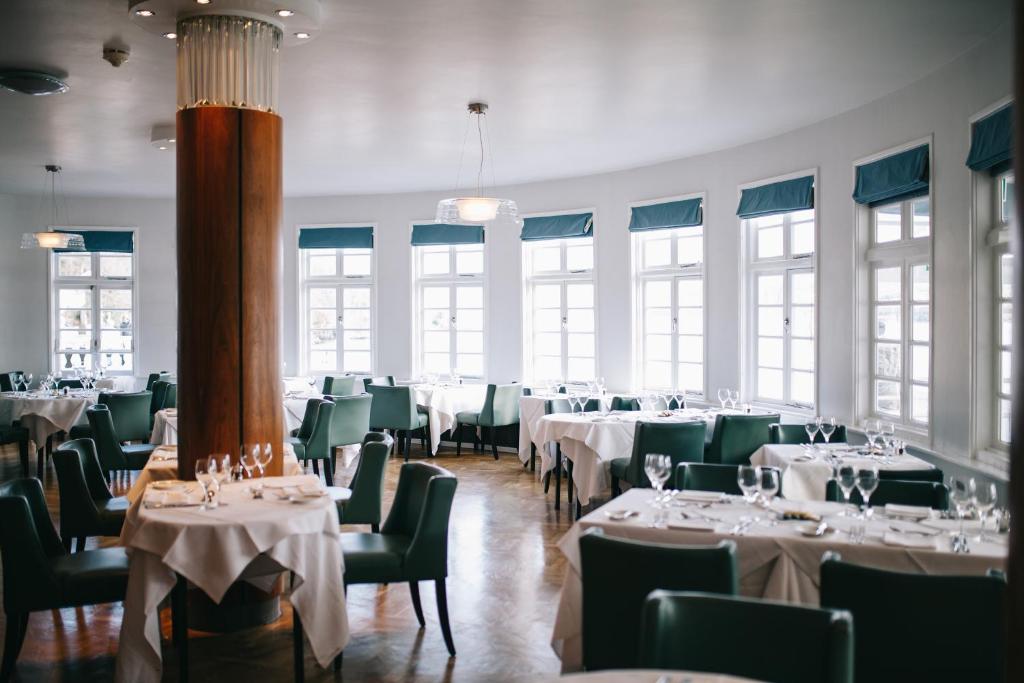
Inside, much of the Victorian character was kept. There is an ornate Italian fireplace, the Mirror Room, and library carvings that were first shown at the Great Exhibition of 1851. A large 18th-century oak staircase runs through the building and gives it a strong sense of age. In 2005, Sir Terence Conran updated the bar and dining room, keeping things simple while nodding to Clough’s original art deco walnut interiors.
Castell Deudraeth
Castell Deudraeth sits higher up on the estate and has a strong, solid presence that sets it apart straight away. The building keeps its castle-like form on the outside, with heavy stone walls, tall windows, and a scale that feels bold rather than decorative. Clough Williams Ellis once described it as the most imposing structure at Portmeirion, and that sense still carries through today.
Inside, the architecture softens. Welsh materials such as oak, slate, and stone are used throughout, giving the interiors a grounded feel. Large windows allow light to fill the rooms and connect them to the surrounding landscape. Underfloor heating runs quietly beneath the floors, adding comfort. Art is part of the space too, with paintings and prints displayed across the building.
Hotel Portmeirion
The Dining Room
The Hotel Portmeirion’s Dining Room is an award-winning Art Deco restaurant known for creative Modern-Welsh cuisine. Renovated in 2005 by Sir Terence Conran, it still offers stunning views of the Dwyryd Estuary. Executive Head Chef Mark Threadgill and his team combine local seasonal ingredients, French techniques, and Japanese flavors. The menu changes regularly, and the Dining Room, holding two AA Rosettes, serves breakfast, pre-booked lunch, afternoon tea, and dinner. Guests can choose from a 6-course Gourmet Menu with an optional cheese course.
Opening hours: 6:00 pm to 9:00 pm
Bar & Terrace
The Hotel Portmeirion’s Victorian Terrace is a great spot to relax with a drink or a light lunch while enjoying views of the village and the Dwyryd Estuary. The bar offers a full range of drinks and simple dishes like gravlax, burrata with tomatoes, ploughman’s lunch, soups, Welsh cheeses, and sandwiches. Just pick a table, remember the number, and order at the bar. The terrace is open in good weather and closes when it’s wet or windy.
Opening hours: Daily: 12.30 pm
Castell Deudraeth
Brasserie
Castell Deudraeth offers a 3‑course set menu from Monday to Saturday, and is priced at GBP 30 (around USD 40) for two courses and GBP 35 (around USD 47) for three courses. In the evenings, the restaurant serves an à la carte menu which features a range of starters and mains that reflect local and seasonal produce. Taste dishes such as gravlax with avocado and horseradish crème fraîche, Thai steamed mussels, crispy king prawns, and main courses like Welsh lamb shoulder, T‑bone pork with mustard-glazed garlic hash, and grilled plaice. Desserts include sticky toffee pudding with butterscotch sauce and vanilla ice cream.
Opening hours: Lunch - 12:00 pm to 2:00 pm | Dinner - 6:00 pm to 9:00 pm
The Lounge & Bar
The Lounge & Bar at Castell Deudraeth feels warm and historic. The carved stone fireplace, slate floor, and dark oak panelling are original features of the 19th century mansion. The bar list is well chosen, with wines by the glass and bottles that include sparkling prosecco, crisp Sauvignon Blanc, fruity rosé, and rich red blends. You can also enjoy Portmeirion’s own ales and cider, plus Welsh spirits such as Penderyn Welsh Whisky, Welsh Vodka, and Portmeirion Gin. The terrace has several tables for meals in fine weather, perfect for drinks with a view.
Portmeirion offers several distinctive venues for weddings, each with its own character and setting. Whether you are planning a civil ceremony, a drinks reception, or a seated dinner, the village provides a range of spaces to suit different needs and guest numbers. Couples can also work with on-site planners to coordinate logistics, catering, and entertainment, ensuring all details from flowers and photographers to music are organised efficiently.
Hercules Hall
Venue type and style: Ideal for civil ceremonies, this historic hall features a striking Jacobean ceiling and rich oak panelling.
Capacity: Up to 120 guests
The Lawn
Venue type and style: Suitable for drinks receptions with aperitifs and handmade canapés, set against seascapes and village views.
Capacity: Flexible depending on setup
The Dining Room
Venue type and style: Art Deco interiors with estuary views, serving seated meals.
Capacity: Up to 120 guests
Historic Hall
Venue type and style: Located 100 yards from the main hotel, featuring antique details and space for dancing.
Capacity: Up to 120 guests
There is plenty to see and do within Portmeirion Village itself, making it easy to spend a full day or more. The village has several small shops selling a mix of gifts, books, homeware, toys, and local finds. You will also find Portmeirion Pottery Seconds, which many visitors come specifically to browse. The Ship Shop, The Prisoner Shop, and Pot Jam are all located within the village and are easy to explore.
Walking is a big part of the Portmeirion experience. The village layout encourages slow exploring, with paths that wind past colorful buildings, gardens, coastal viewpoints, and woodland areas. Self-guided walking routes let visitors take in the architecture, scenery, and quieter corners of the estate. At certain times of the year, the village also hosts fairs and small events, adding an extra layer of activity.
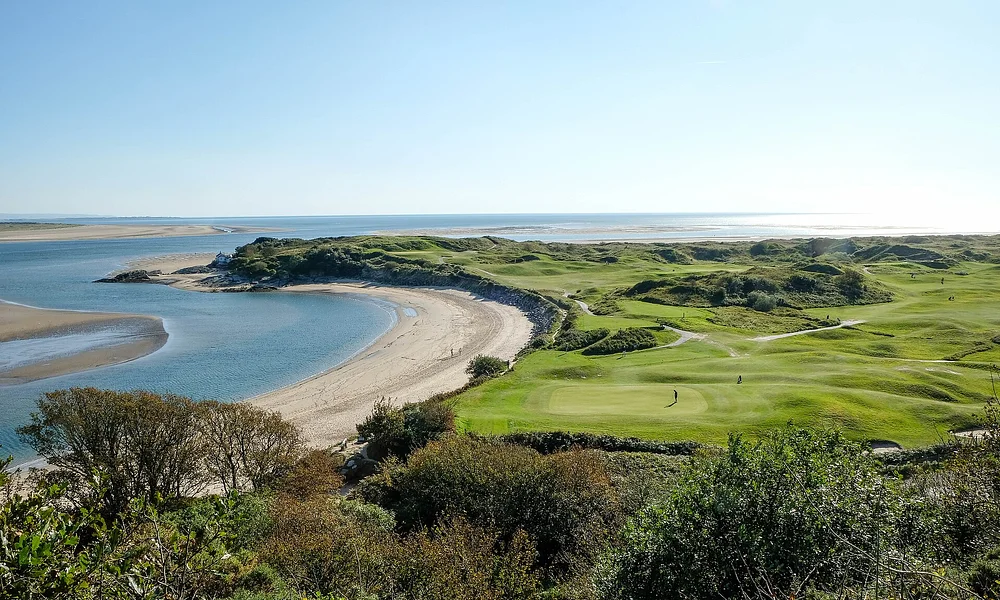
Beyond the village, there is plenty to see without going far. Porthmadog Golf Club is a short drive away and sits close to the coast, making it an easy outing for golfers. History feels very much part of the landscape here. Castell Harlech rises above the shoreline and is hard to miss, while Castell Cricieth looks out over the town below, both giving a clear sense of Wales’s past.
If you prefer something slower, the Ffestiniog and Welsh Highland Railways offer scenic rides through mountains, forests, and wide open valleys. For a quieter time outdoors, Gwaith Powdwr, a North Wales Wildlife Trust reserve, has woodland paths and plenty of wildlife. And if you want something more active, Zip World Llechwedd offers underground tours and slate mine adventures carved deep into the hills.
Portmeirion also hosts seasonal events at different times of the year. One of the highlights is the New Year celebration, usually planned as a multi-day stay with afternoon tea on arrival, set dinners, gala evenings with live entertainment, and fireworks on New Year’s Eve, followed by a final breakfast before departure. The village also organizes a Christmas Fair, which brings a more relaxed, festive feel with local stalls, seasonal food, and time to wander the village at a slower pace. These events give visitors a chance to see the village at its liveliest, full of a cheerful vibe.
Portmeirion hosts both corporate events and private celebrations, with spaces suitable for groups of 10 to 150 guests. For business use, the village offers several conference rooms with amenities used for meetings, workshops, training sessions, and conferences. Private function rooms include Hercules Hall, the largest space, along with the Tudor Room, Estuary Room, Mirror Room, and Ricardo Pierce Suite, each suited to different group sizes and occasions. These venues are used for a wide range of events, including gala dinners, charity events, birthdays, anniversaries, vow renewals, baby showers, hen parties, and family gatherings. An experienced on-site team helps coordinate catering and logistics, making it possible to host both formal events and intimate celebrations within the village setting.
A museum highlighting local shipbuilding, trade, and seafaring history. Exhibits include ship models, maritime artifacts, and stories of Porthmadog’s connection to the sea. (7-minute drive)
Historic gardens designed by Clough Williams-Ellis’s family, featuring garden rooms, terraces, and picturesque views. Visitors can stroll through carefully planned paths surrounded by flowers and greenery. (10-minute drive)
A long sandy beach ideal for walking, relaxing, or picnics. The coastline offers fresh sea air, gentle waves, and beautiful views of the nearby cliffs and dunes. (20-minute drive)
Anglesey Airport is the closest airport to the property, approximately an hour away by car.
Minffordd Railway Station is the nearest train station to the property, just 3 minutes away by car.