Sakurai Select dates Select guests
Search
2
0
1

Ryokan Taishoro

Ryokans Ryokans are traditional Japanese inns known for native architecture, authentic cuisine—especially kaiseki-ryouri dinners—and serene onsen baths. Often run by the same family for generations, they preserve Japan’s rich hospitality heritage and offer an immersive cultural experience Choose a ryokan from our list for an authentic experience! 
Interwar & Early Modern Heritage Every historic hotel tells a unique tale of its time. From Renaissance’s Gothic cathedrals to Japanese simplicity, each location reflects the culture, way of life, and architectural style of its era. This property belongs to Interwar & Early Modern Heritage. Click to know more about this period.
3-Star
Miwa 459, 633-0001 Sakurai, Japan
$47.00 /night for 2 adults View Deal

Popular Amenities

  • Garden
  • Air conditioning
  • Garden

Overview

Established in the Taishō era, Ryokan Taishoro is a warm and welcoming heritage property in the charming town of Miwa. It's nestled at the base of Mt. Miwa, which is worshipped in Ōmiwa Jinja, a shrine located a short walk from the property. The ryokan offers an authentic Japanese experience with traditional rooms and special kaiseki meals. Like most ryokans, the accommodations here do not come with private bathrooms; but there are shared bathrooms equipped with free toiletries. It also has a charming garden where you can breathe in some fresh air amidst lush greenery. Moreover, Ryokan Taishoro is close to hiking trails so you can explore the area's natural beauty.

Superb 9.4
26 reviews

map Miwa 459, 633-0001 Sakurai, Japan
View in map

Local Info

Ōmiwa Jinja
Mt. Miwa
Yamanobe-no-michi Trail
Nearest Airport
Nearest Railway Station
View All

History

Ryokan Taishoro dates back to 1912. It was the first year of the Taishō era, which continued until 1926 under Emperor Taishō. The ryokan's name derives from the name of the era as a tribute to its roots. It is patronized by Ōmiwa Jinja, one of the oldest shrines in Japan. The current owner, Masahiro Uda, ensures the ryokan stays true to its cultural heritage.

History
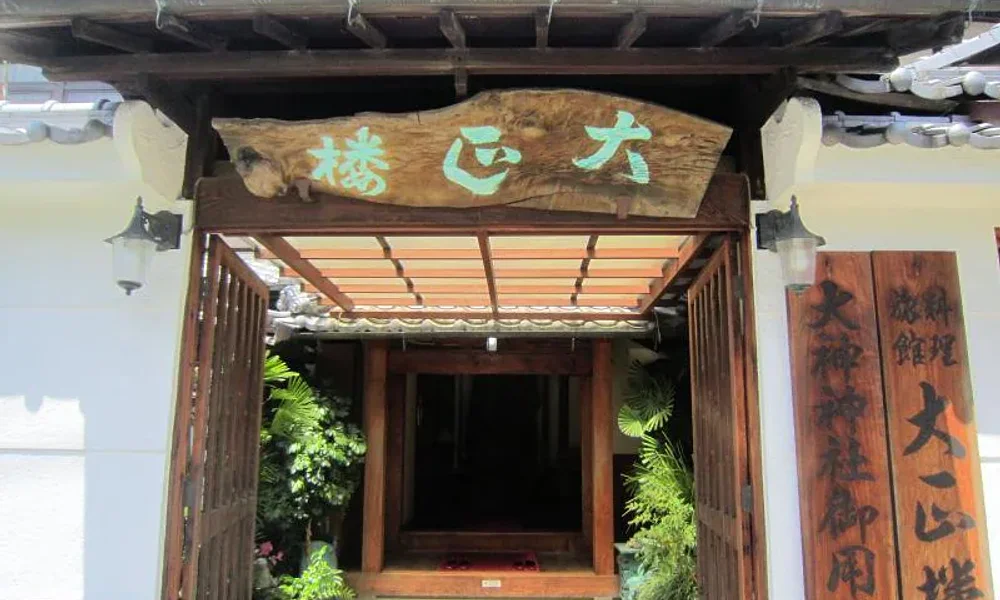
The humble entrance of the Ryokan Taishoro

Design and Architecture

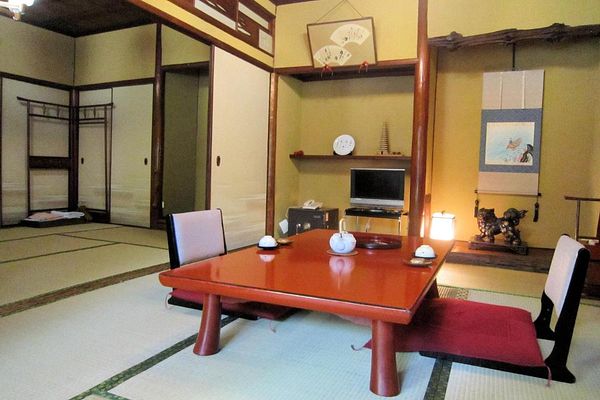
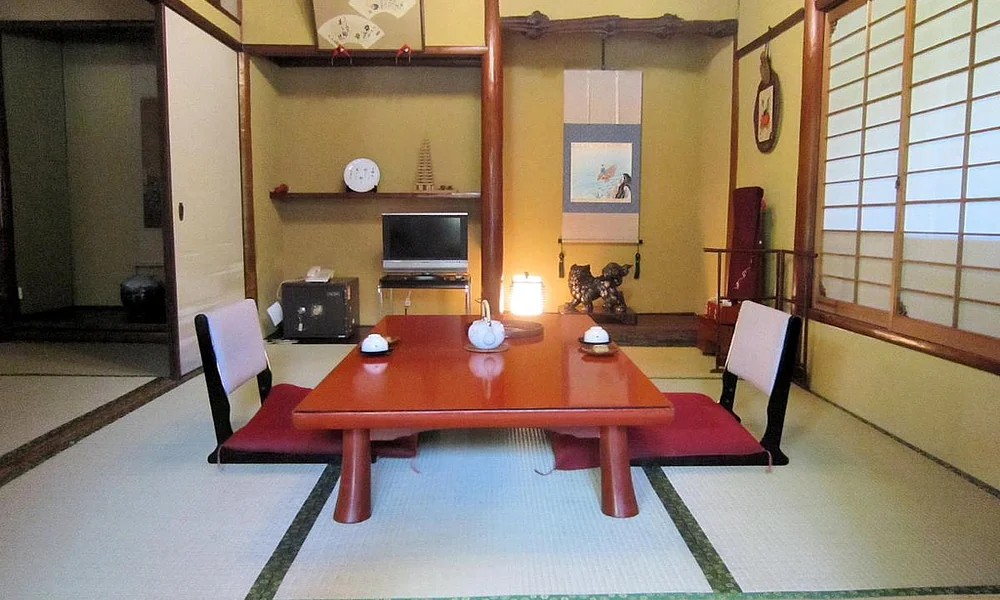
Taishoro's historical roots can also be seen in its architecture. The traditional architectural style of the era has been painstakingly preserved. You can see it in the intricate wood and bamboo work throughout the property. The courtyard garden also offers a nostalgic vibe with its old stone lanterns. Plus, you'll find Showa-era plate glass in some places. The guest rooms surround the courtyard garden and have quintessential Japanese features such as tatami mats, chabudai (low tables), zaisu (low chairs), cedar ceilings, Yukimi shoji screens (Yoshino type), and fusuma sliding doors. You can find Honma rooms and Kyoto-style rooms here.

Hotel image
An interior view of one of the rooms of the ryokan, showing its authentic features.

Amenities

Popular Amenities

  • Garden
  • Air conditioning
  • Garden

Rooms

Triple Room with Garden View


Guest

Room 3 Bed Type 7

Room size 0 m2

Price per night

$47.00

per night price includes taxes and charges
View deal

Dining

Ryokan Taishoro offers gourmet Japanese food through kaiseki meal plans that you can book with your accommodation. Outsiders need to reserve their meals five days in advance. You can enjoy your dinner in your room or at the private dining room; breakfast is served either at the private dining room or the shared dining hall.

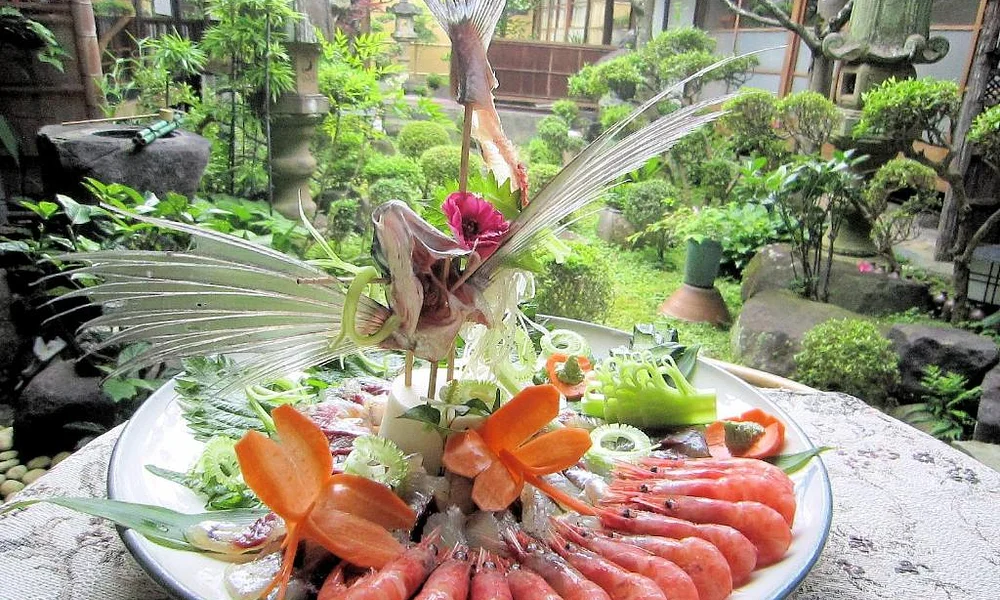
Choose from different plans, including Somen Kaiseki Cuisine Plan, which features the famous Miwa somen noodles, Lobster Kaiseki Cuisine Plan with lobster gratin and salad, and Ancient Inishihe Plan, which comes with ancient rice, cheese, and sake. You can also go for the special kaiseki meal plan, with fresh whole fish sashimi as the centerpiece. The type of fish varies depending on availability. Other delicacies to enjoy at Taishoro include Sake-steamed abalone and Yamato round eggplant dengaku. Spiny lobster dishes and Yamato chicken and pork dishes are also available. The ingredients, including the fresh fish, are locally sourced from Nara. The ryokan also promotes sustainability by using delicious deep-sea fish in its meals, as this type of fish is usually avoided for its bones and aesthetics.

Dining
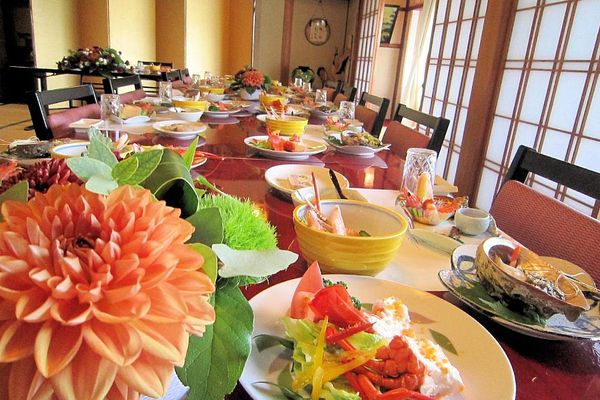
Culinary offerings of the ryokan.

Destination Wedding

If you wish to host your special day at a culturally significant location, Ōmiwa Jinja will be the perfect choice. It's one of Japan's oldest and most sacred shrines, and the location is amazing as well. After a serene ceremony at the shrine, have a wonderful reception at Ryokan Taishoro's banquet hall. The staff at the ryokan's wedding reception desk will guide you and help plan the event. Private guest rooms are available for the bride to change into or out of her wedding clothes; they're also great spots for clicking wedding photographs, aside from the beautiful courtyard garden.

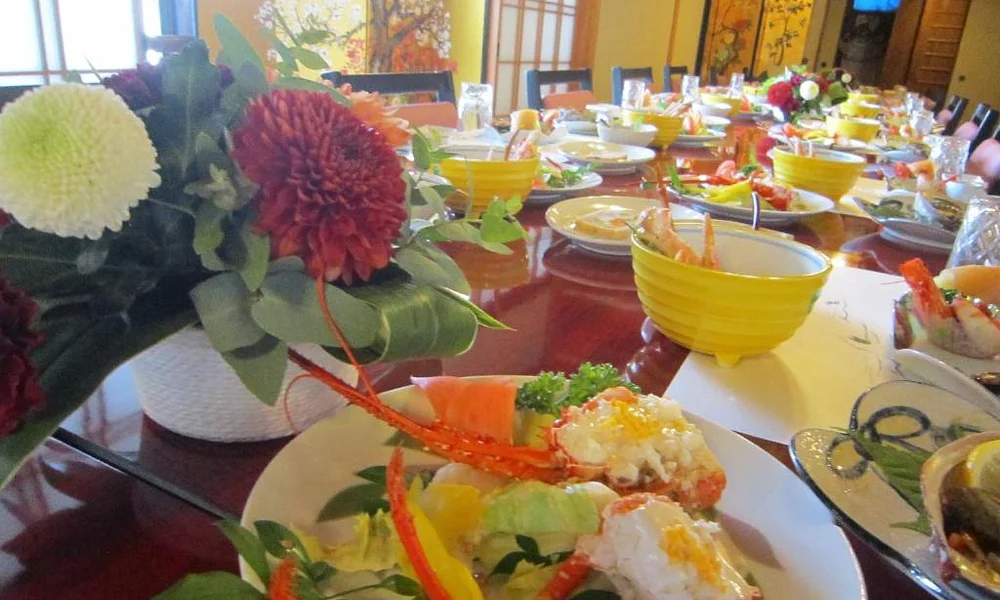
As for your wedding dinner, you can choose from the wedding cuisine plans available. The plans are named after the constituents of the Shochikubai symbol: Pine plan (15 dishes; 12,000 JPY/80.24 USD), Bamboo plan (13 dishes; 10,000 JPY/66.87 USD), and Plum plan (12 dishes; 8,000 JPY/53.49 USD). Consumption tax and a 10% service charge will also be charged. The meals are elaborate, starting with an appetizer and ending with a delicious dessert. The main course includes sashimi, grilled dishes, simmered dishes, and clam soup.

Book Venue
Destination Wedding
A banquet meal at Ryokan Taishoro.

Events and Experiences

Cultural and Outdoor Experiences

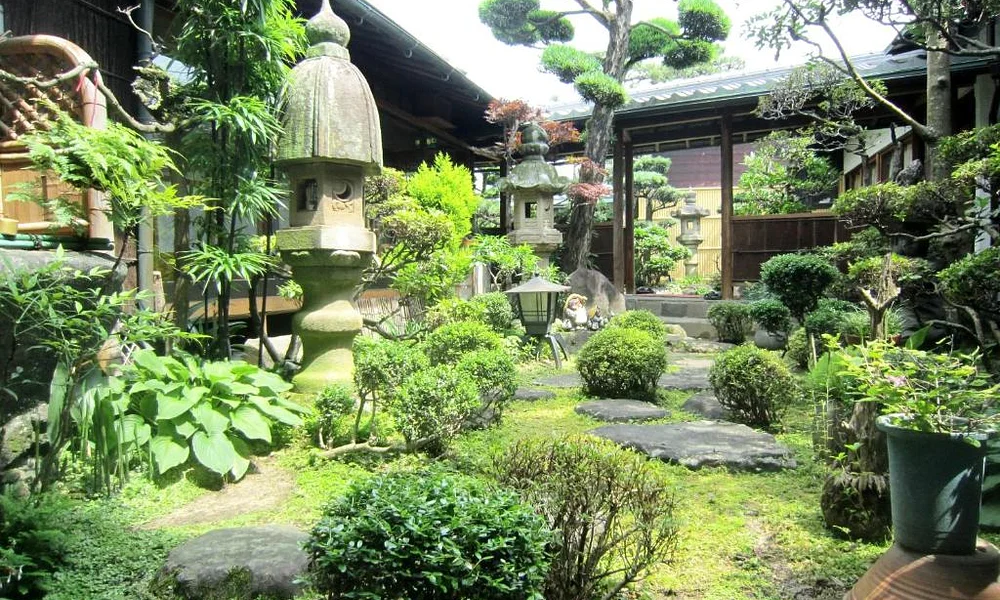
Ryokan Taishoro is in itself a cultural attraction, with its period architecture, authentic Japanese meals, and Japanese-style rooms. The courtyard garden dates back to the origin of the ryokan and still boasts the stone lanterns from that era. You can stroll around the garden and take in the beauty of the plants and trees that change with the changing seasons. In monsoon, you can witness vibrant hydrangeas; azaleas also bloom in this garden. The courtyard makes for a beautiful backdrop for various private events. If you wish to explore the cultural attractions in the area, head to the many ancient temples, such as Asukadera Temple, Hasedera Temple, or Shorinji Temple. Don't forget to check out Sakurai's famous cave-in stone chambers such as Akasaka Tennozan Tomb or Koshizuka Tomb. Outdoor enthusiasts can embark on a hiking adventure along the Yamanobe-no-michi hiking trail. Walk or cycle along the train and admire the Man'yoshu poem monuments. You can even try climbing Mt. Miwa during your stay. The ryokan staff will help you plan picnics, visits to Ōmiwa Jinja, and other excursions.

Other Celebrations

Ryokan Taishoro welcomes private events, including Shichi-Go-San celebrations, weddings, reunions, company retreats, and engagements. The private rooms or the restaurant's open banquet space can be booked for events.

Book Venue
Events and Experiences
The courtyard garden at Ryokan Taishoro.

Cultural etiquette

  • Bowing (ojigi): It's advisable to bow to show respect when greeting someone. It can also be done to show gratitude or convey an apology.
  • Shoe etiquette: You must remove your outside footwear before stepping on the elevated area of the genkan (entrance) and entering a house. You should also ensure not to step on the lower area of the genkan without your shoes on. Shoes must be kept facing the entrance. If you wear socks, they should be clean and without any holes.
  • Slipper etiquette: It's usually better to wear fresh socks or slippers inside the house, especially for formal situations. Make sure to remove your slippers before stepping into a room with tatami mats on the floor. There should also be a separate set of slippers for the washroom.
  • Dining etiquette: How you hold and place your chopsticks while dining is crucial. For example, they shouldn't be held upright when eating rice. You must also place them on a holder when you're not using them. It's good to say "Itadakimasu" before starting a meal and "Gochisousama deshita" after completing it.
  • Tipping etiquette: Tipping isn't a common practice in Japan and may be considered rude.
  • Luggage etiquette: Luggage, especially those with wheels, should be carried instead of being dragged across the floor as it might damage the tatami mats or wooden flooring.
  • Photography etiquette: Photography rules can change from place to place, so make sure to check for signs or ask the staff before taking pictures anywhere.
  • Queueing etiquette: Make sure to maintain queues and never cut in line.
  • Onsen etiquette: Some onsens don't allow tattoos, so check with the staff before getting into one. You must also shower and be clean before entering a shared onsen bath.
  • Bathing etiquette: Japanese baths include separate areas for washing while the tub itself is meant only for soaking. This means bathers must first wash, scrub, and rinse themselves before entering the bath tub.

Local Info

Ōmiwa Jinja

Ancient shrine, possibly the oldest in Japan, dedicated to the worship of Mt. Miwa (7-minute walk)

Mt. Miwa

Sacred old mountain that you can climb with the permission of the Saijinja Shrine (11-minute drive)

Yamanobe-no-michi Trail

Historic trail lined by ancient tombs and shrines, allowing both hiking and biking (17-minute walk)

Nearest Airport

The nearest airport to Ryokan Taishoro is Osaka International Airport, which is around 80 minutes away by car.

Nearest Railway Station

The nearest railway station to the ryokan is JR Miwa Station, only a 2-minute walk from the property.

Frequently Asked Questions

You Might Also Like

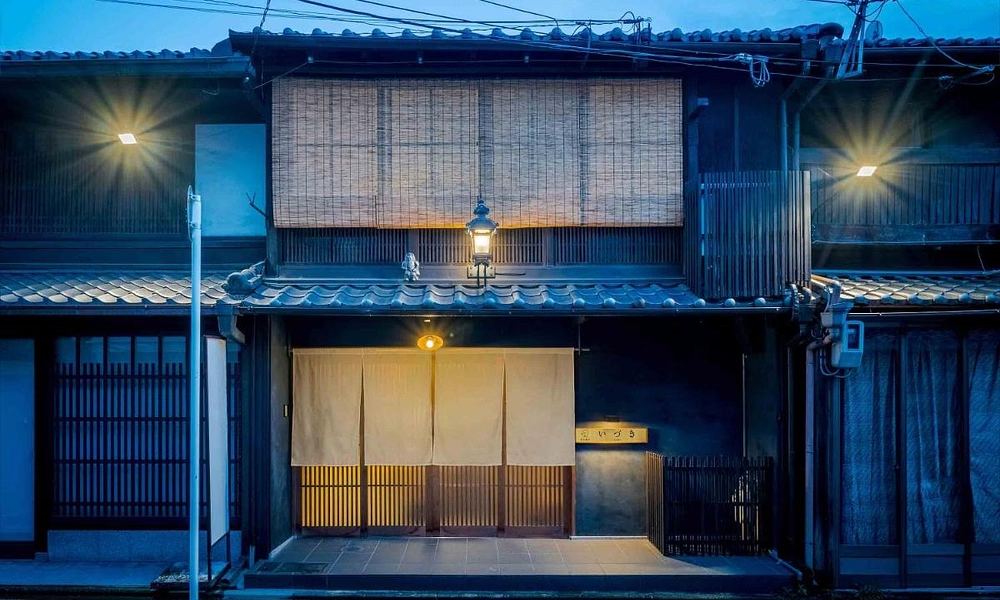
Izuki Machiya House
1 km from airport This is a straight-line distance from Kyoto. Actual travel distance may vary.

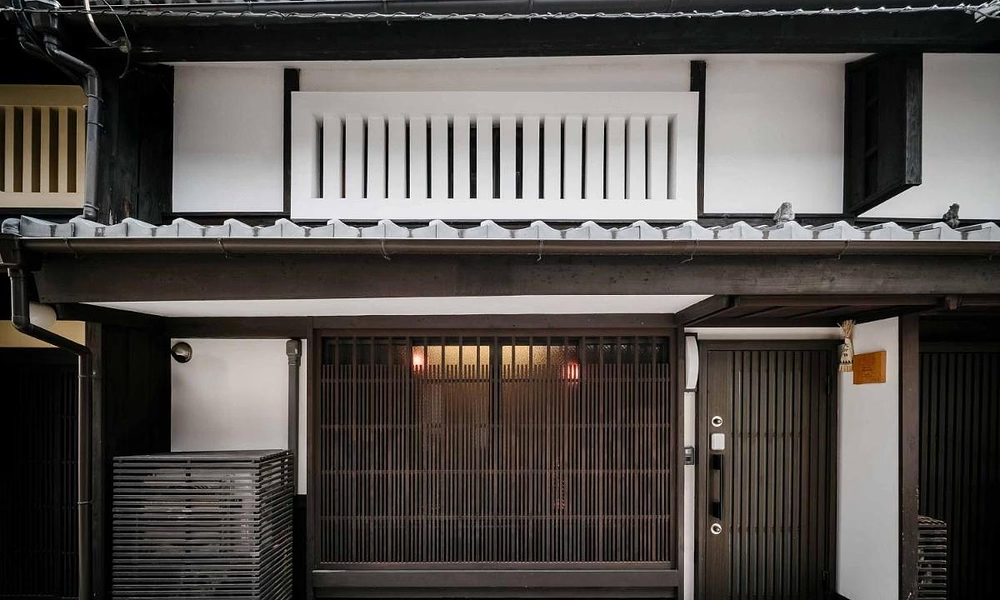
Izuki Machiya House

Machiya  Machiya are traditional Japanese townhouses, especially in Kyoto, but also found in Naraijuku, Kanazawa, Takayama, and Kurashiki. Although construction ceased after the 1950 Building Standards Act, many historic machiya remain, offering visitors a glimpse into Japan’s architectural heritage. Check our list of machiyas for a memorable vacation! 
4-Star 9.7
Early Modern & Colonial Expansion Every historic hotel tells a unique tale of its time. From Renaissance’s Gothic cathedrals to Japanese simplicity, each location reflects the culture, way of life, and architectural style of its era. This property belongs to Early Modern & Colonial Expansion. Click to know more about this period.
珠数屋町112, 600-8348 Nishi-kujō-Toriiguchichō, Japan
$335.00 total
Akane an Machiya House
1 km from airport This is a straight-line distance from Kyoto. Actual travel distance may vary.

Akane an Machiya House

Machiya  Machiya are traditional Japanese townhouses, especially in Kyoto, but also found in Naraijuku, Kanazawa, Takayama, and Kurashiki. Although construction ceased after the 1950 Building Standards Act, many historic machiya remain, offering visitors a glimpse into Japan’s architectural heritage. Check our list of machiyas for a memorable vacation! 
4-Star 7.7
Industrial & Imperial Era Every historic hotel tells a unique tale of its time. From Renaissance’s Gothic cathedrals to Japanese simplicity, each location reflects the culture, way of life, and architectural style of its era. This property belongs to Industrial & Imperial Era. Click to know more about this period.
Nakagyo-ku Kaji-cho 172-14, 604-8267 Kyoto, Japan
$235.00 total
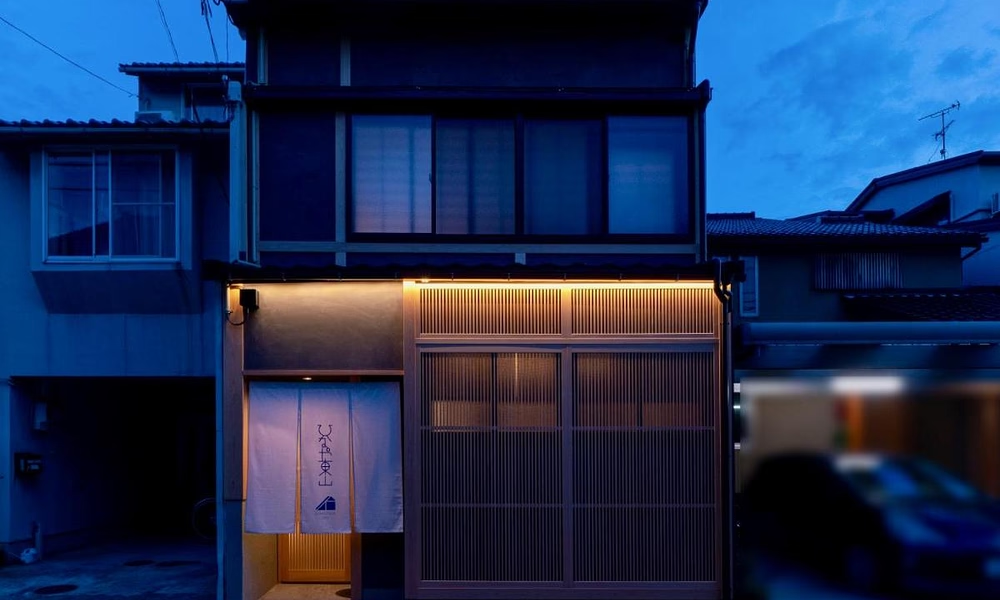
Hinaya Higashiyama Machiya House
30 km from airport This is a straight-line distance from Komatsu Airport. Actual travel distance may vary.

Hinaya Higashiyama Machiya House

Machiya  Machiya are traditional Japanese townhouses, especially in Kyoto, but also found in Naraijuku, Kanazawa, Takayama, and Kurashiki. Although construction ceased after the 1950 Building Standards Act, many historic machiya remain, offering visitors a glimpse into Japan’s architectural heritage. Check our list of machiyas for a memorable vacation! 
4-Star 9.0
Industrial & Imperial Era Every historic hotel tells a unique tale of its time. From Renaissance’s Gothic cathedrals to Japanese simplicity, each location reflects the culture, way of life, and architectural style of its era. This property belongs to Industrial & Imperial Era. Click to know more about this period.
Higashiyama 3-31-10, 920-0831 Kanazawa, Japan
$313.00 total
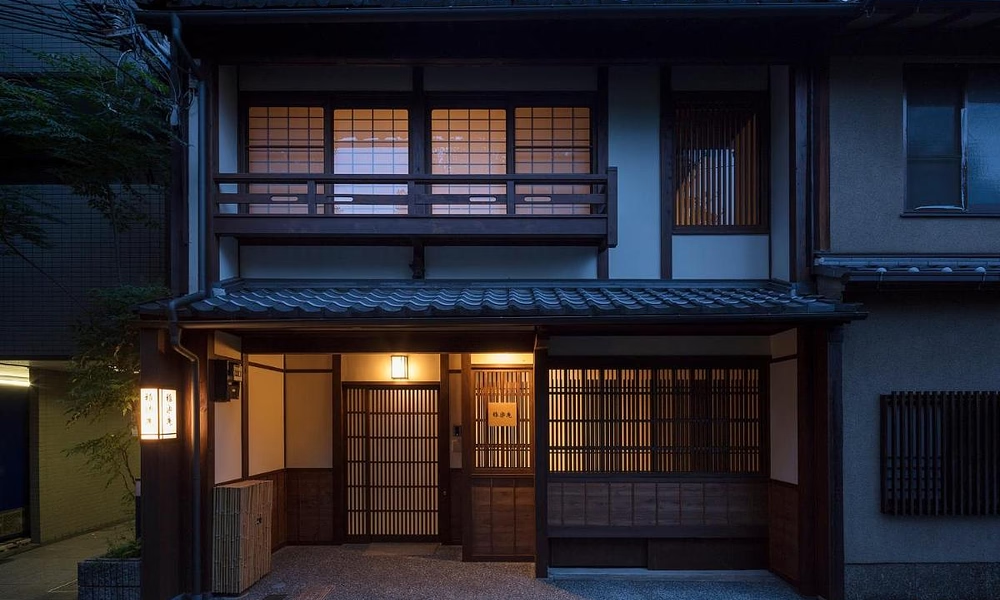
Garaku-an Machiya
2 km from airport This is a straight-line distance from Kyoto. Actual travel distance may vary.

Garaku-an Machiya

Machiya  Machiya are traditional Japanese townhouses, especially in Kyoto, but also found in Naraijuku, Kanazawa, Takayama, and Kurashiki. Although construction ceased after the 1950 Building Standards Act, many historic machiya remain, offering visitors a glimpse into Japan’s architectural heritage. Check our list of machiyas for a memorable vacation! 
4-Star 9.0
Early Modern & Colonial Expansion Every historic hotel tells a unique tale of its time. From Renaissance’s Gothic cathedrals to Japanese simplicity, each location reflects the culture, way of life, and architectural style of its era. This property belongs to Early Modern & Colonial Expansion. Click to know more about this period.
Shimogyo-ku Minamikyogoku-cho 74-1, 600-8117 Kyoto, Japan
$542.00 total
Bonbori-an Machiya House
3 km from airport This is a straight-line distance from Kyoto. Actual travel distance may vary.

Bonbori-an Machiya House

Machiya  Machiya are traditional Japanese townhouses, especially in Kyoto, but also found in Naraijuku, Kanazawa, Takayama, and Kurashiki. Although construction ceased after the 1950 Building Standards Act, many historic machiya remain, offering visitors a glimpse into Japan’s architectural heritage. Check our list of machiyas for a memorable vacation! 
4-Star 9.4
Early Modern & Colonial Expansion Every historic hotel tells a unique tale of its time. From Renaissance’s Gothic cathedrals to Japanese simplicity, each location reflects the culture, way of life, and architectural style of its era. This property belongs to Early Modern & Colonial Expansion. Click to know more about this period.
Higashiyama-ku Yasaka Kamimachi 374-10 , 605-0827 Kyoto, Japan
$371.00 total
Hanagoromo Machiya House
2 km from airport This is a straight-line distance from Kyoto. Actual travel distance may vary.

Hanagoromo Machiya House

Machiya  Machiya are traditional Japanese townhouses, especially in Kyoto, but also found in Naraijuku, Kanazawa, Takayama, and Kurashiki. Although construction ceased after the 1950 Building Standards Act, many historic machiya remain, offering visitors a glimpse into Japan’s architectural heritage. Check our list of machiyas for a memorable vacation! 
4-Star 8.6
Industrial & Imperial Era Every historic hotel tells a unique tale of its time. From Renaissance’s Gothic cathedrals to Japanese simplicity, each location reflects the culture, way of life, and architectural style of its era. This property belongs to Industrial & Imperial Era. Click to know more about this period.
Shimogyo-ku Shimozaimokucho 446, 600-8017 Kyoto, Japan
$242.00 total
Choya Chawanzaka Machiya House
3 km from airport This is a straight-line distance from Kyoto. Actual travel distance may vary.

Choya Chawanzaka Machiya House

Machiya  Machiya are traditional Japanese townhouses, especially in Kyoto, but also found in Naraijuku, Kanazawa, Takayama, and Kurashiki. Although construction ceased after the 1950 Building Standards Act, many historic machiya remain, offering visitors a glimpse into Japan’s architectural heritage. Check our list of machiyas for a memorable vacation! 
4-Star 9.5
Industrial & Imperial Era Every historic hotel tells a unique tale of its time. From Renaissance’s Gothic cathedrals to Japanese simplicity, each location reflects the culture, way of life, and architectural style of its era. This property belongs to Industrial & Imperial Era. Click to know more about this period.
Higashiyama-ku Gojobashihigashi 6-583-51, 605-0846 Kyoto, Japan
$378.00 total
Kohaku-an Machiya House
3 km from airport This is a straight-line distance from Kyoto. Actual travel distance may vary.

Kohaku-an Machiya House

Machiya  Machiya are traditional Japanese townhouses, especially in Kyoto, but also found in Naraijuku, Kanazawa, Takayama, and Kurashiki. Although construction ceased after the 1950 Building Standards Act, many historic machiya remain, offering visitors a glimpse into Japan’s architectural heritage. Check our list of machiyas for a memorable vacation! 
4-Star 9.3
Industrial & Imperial Era Every historic hotel tells a unique tale of its time. From Renaissance’s Gothic cathedrals to Japanese simplicity, each location reflects the culture, way of life, and architectural style of its era. This property belongs to Industrial & Imperial Era. Click to know more about this period.
Higashiyama-ku Sennyuji Suzumegamori-cho 3-8, 605-0975 Kyoto, Japan
$206.00 total
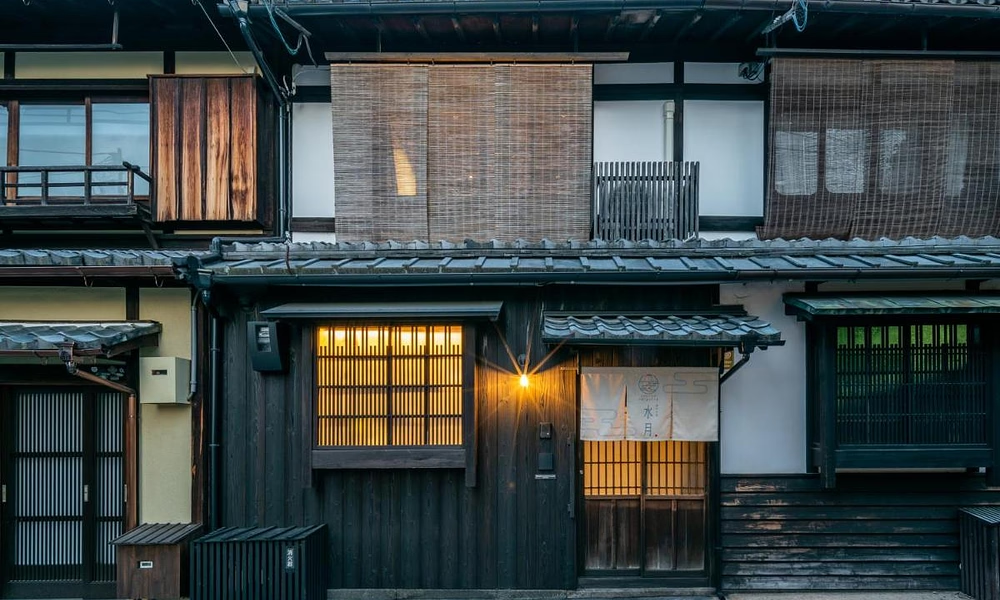
Suigetsu Machiya House
2 km from airport This is a straight-line distance from Kyoto. Actual travel distance may vary.

Suigetsu Machiya House

Machiya  Machiya are traditional Japanese townhouses, especially in Kyoto, but also found in Naraijuku, Kanazawa, Takayama, and Kurashiki. Although construction ceased after the 1950 Building Standards Act, many historic machiya remain, offering visitors a glimpse into Japan’s architectural heritage. Check our list of machiyas for a memorable vacation! 
4-Star 8.5
Industrial & Imperial Era Every historic hotel tells a unique tale of its time. From Renaissance’s Gothic cathedrals to Japanese simplicity, each location reflects the culture, way of life, and architectural style of its era. This property belongs to Industrial & Imperial Era. Click to know more about this period.
Higashiyama-ku Kadowakicho 187-5, 605-0843 Kyoto, Japan
$299.00 total
Nadeshiko Shirakawa Machiya
3 km from airport This is a straight-line distance from Kyoto. Actual travel distance may vary.

Nadeshiko Shirakawa Machiya

Machiya  Machiya are traditional Japanese townhouses, especially in Kyoto, but also found in Naraijuku, Kanazawa, Takayama, and Kurashiki. Although construction ceased after the 1950 Building Standards Act, many historic machiya remain, offering visitors a glimpse into Japan’s architectural heritage. Check our list of machiyas for a memorable vacation! 
4-Star 9.0
Industrial & Imperial Era Every historic hotel tells a unique tale of its time. From Renaissance’s Gothic cathedrals to Japanese simplicity, each location reflects the culture, way of life, and architectural style of its era. This property belongs to Industrial & Imperial Era. Click to know more about this period.
Higashiyama-ku Minamikinomoto-cho 539-6, 605-0015 Kyoto, Japan
$214.00 total

Customer Reviews

Location

The location was great, only minutes walk from the train station and near the town and attractions.

Amenities

I was treated to an excellent private hot spa bath in the evening, making it just the perfect stay.

Dining

The breakfast was great with a lot of thought and personal touches.