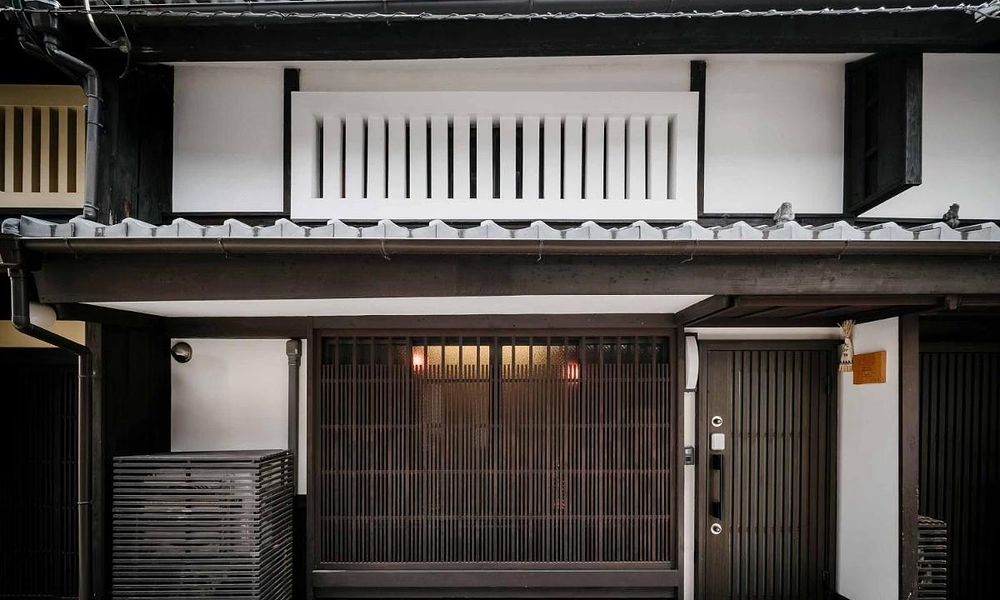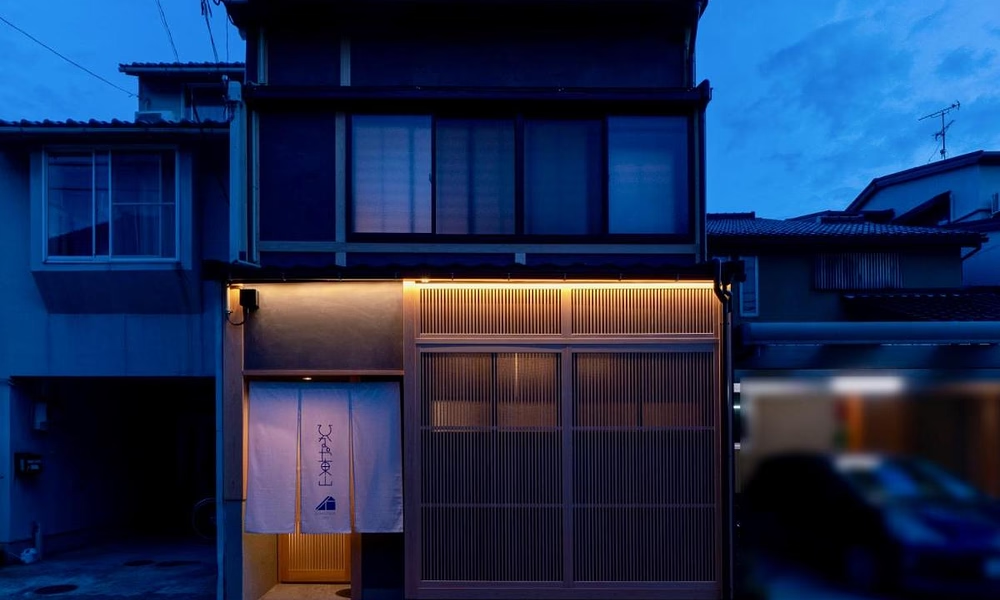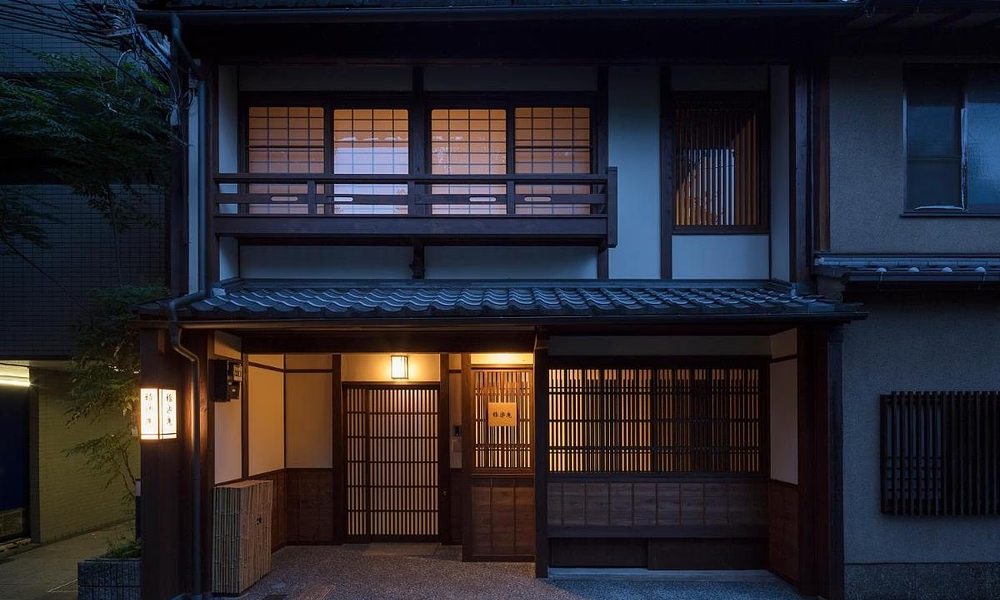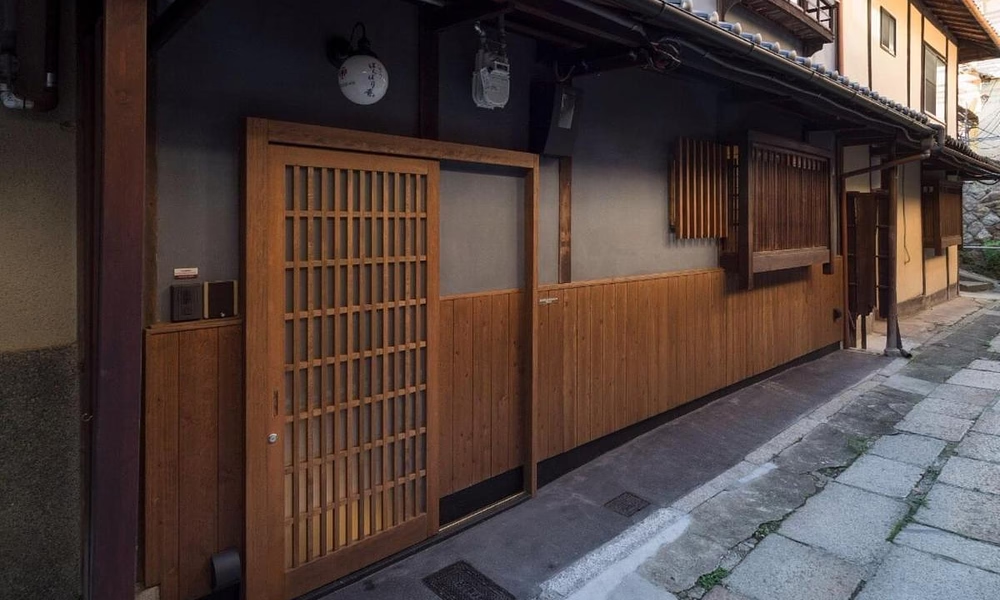




Shukubo Hogen-ji is a tranquil temple lodging in Minami-Alps, blending centuries-old Nichiren Buddhist heritage with thoughtful hospitality. The shukubo is a renovated kominka, nestled amidst Yamanashi's orchards and mountains, offering warm wooden interiors and tatami rooms. Temple Chief Priest Mizuho Yokoyama invites guests to engage in various authentic experiences such as morning services, meditation, sutra copying, and communal cleaning. The flexible stays are perfect for those seeking reflection, travelers doing remote work, or simply looking for a fun and unique retreat. Dining is intentionally simple and local, with self-prepared breakfasts, bakery options, and outdoor barbecue plans. For adventurous spirits, the region is filled with interesting locations, from vast mountain parks to museums filled with artifacts and memorabilia.
十五所218-1, 400-0305 Minami Alps, Japan
Hogen-ji (法源寺) was established in July 1596 during the Keichou Era by the Buddhist monk Hogenbo Nikka Shonin, with Myokaku Ritsushi Nissei Shonin serving as its first head priest. From its founding, the temple has been part of the Nichiren Sect, as Yamanashi is seen as the home of this Buddhist tradition. Sometime during the Meiji Period (1868–1912), much of the temple was lost to a destructive fire. However, the main hall was rebuilt soon after in that same year, and it continues to stand as the heart of the temple and the shukubo today.
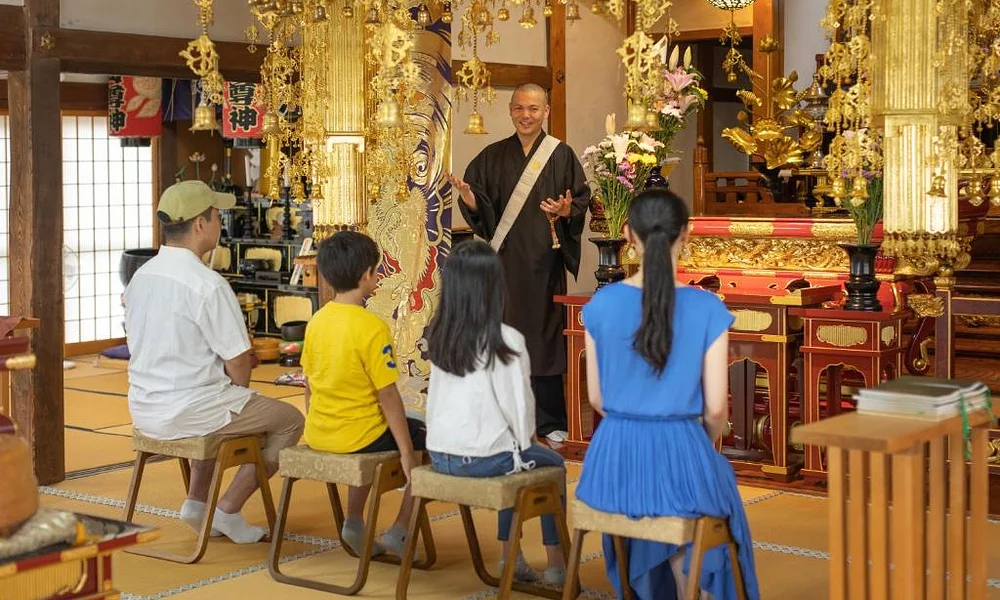
Hogen-ji houses two notable deities; one is Kishimojin, a spirit who protects mothers and children, and safeguards childbirth. The other is the Shoukannon Boddhisatva, who embodies Buddha's merciful and compassionate heart.
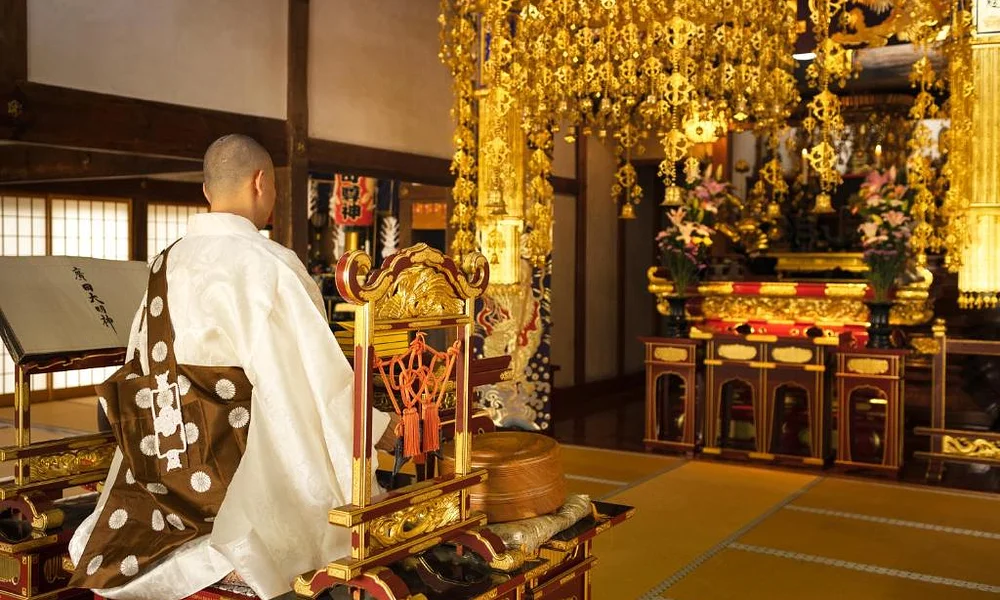
While the Hogen-ji was reconstructed in the Meiji period after a horrible fire, it was rebuilt with its classic Buddhist temple aesthetics. Wood construction is an integral element of these temples, making use of centuries-old carpentry techniques. Situated amidst Yamanashi's rural beauty, the area is surrounded by orchards but has plenty of sacred spaces for rituals and community gatherings.
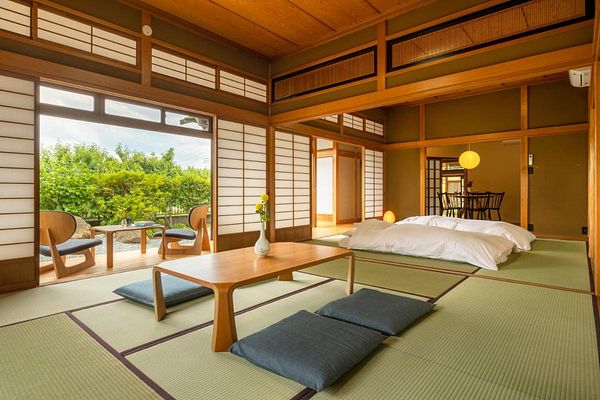
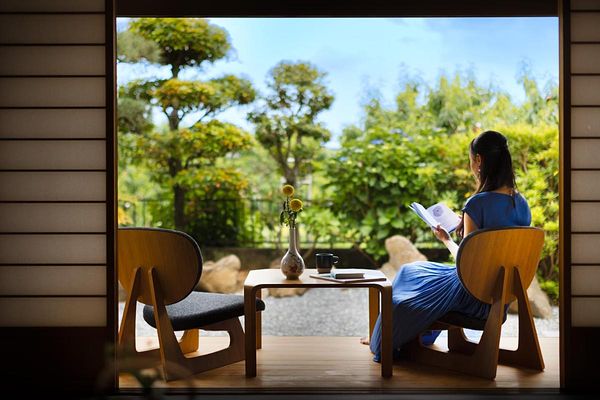
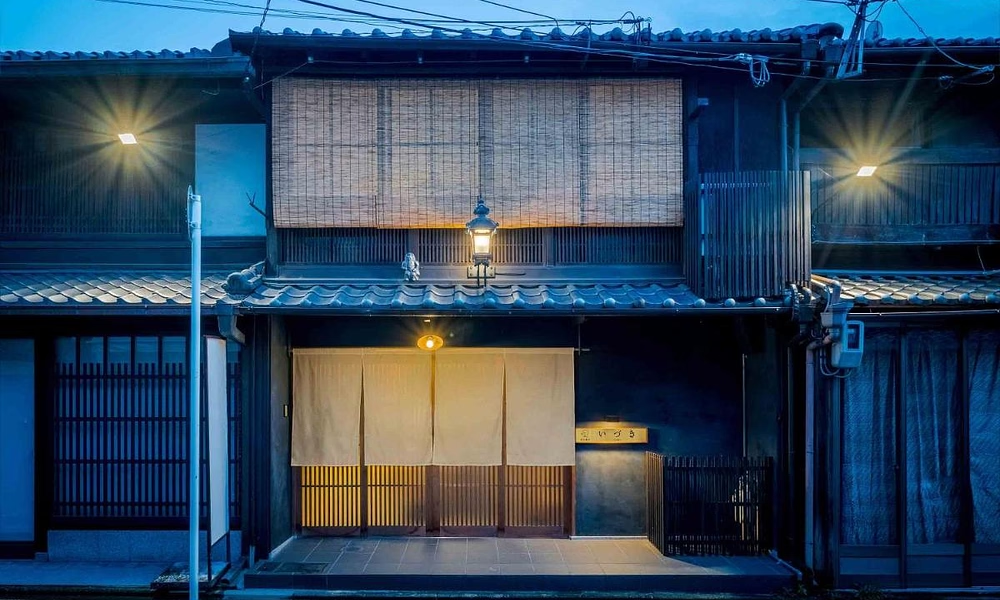
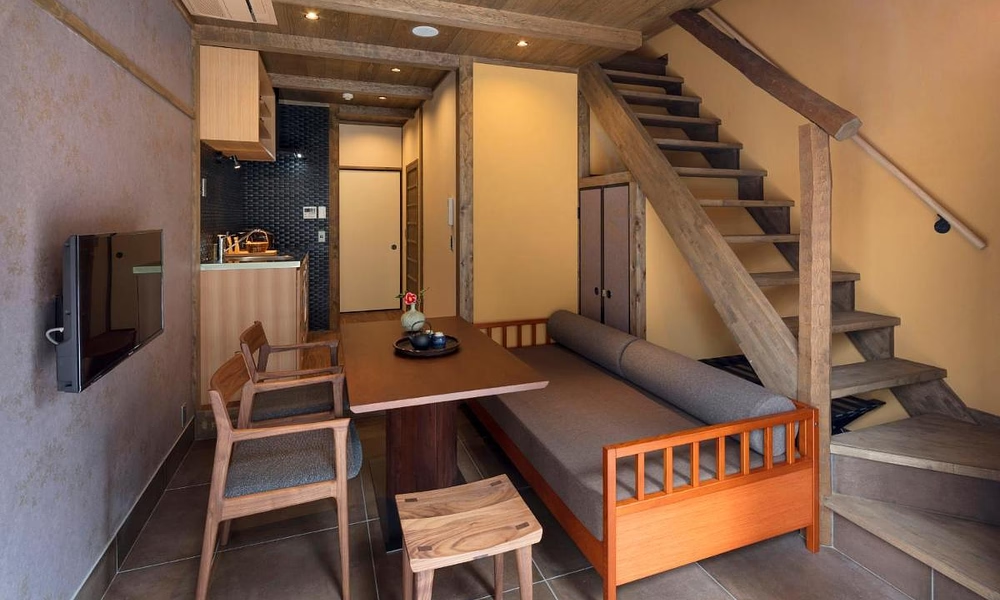
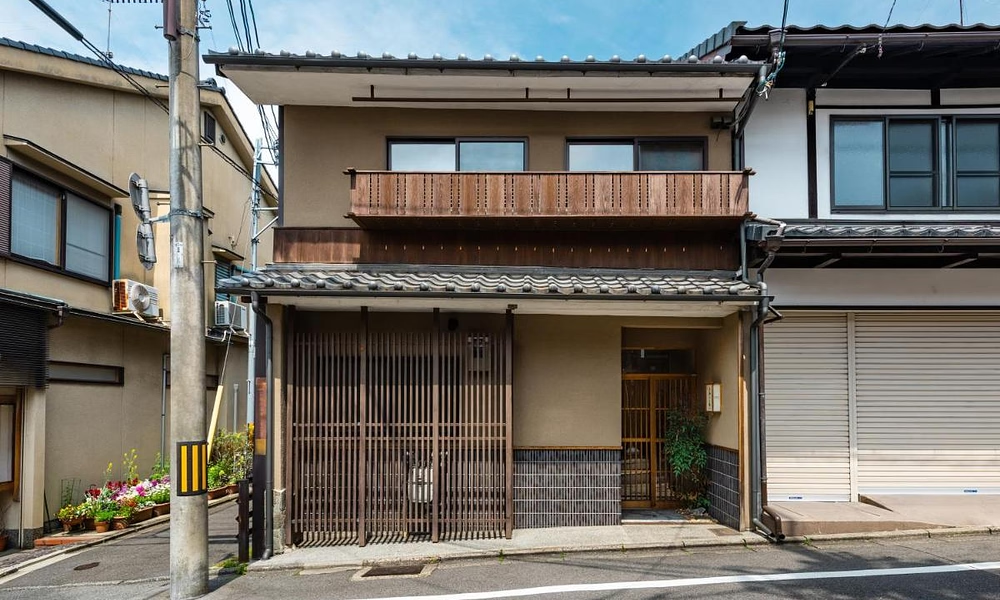
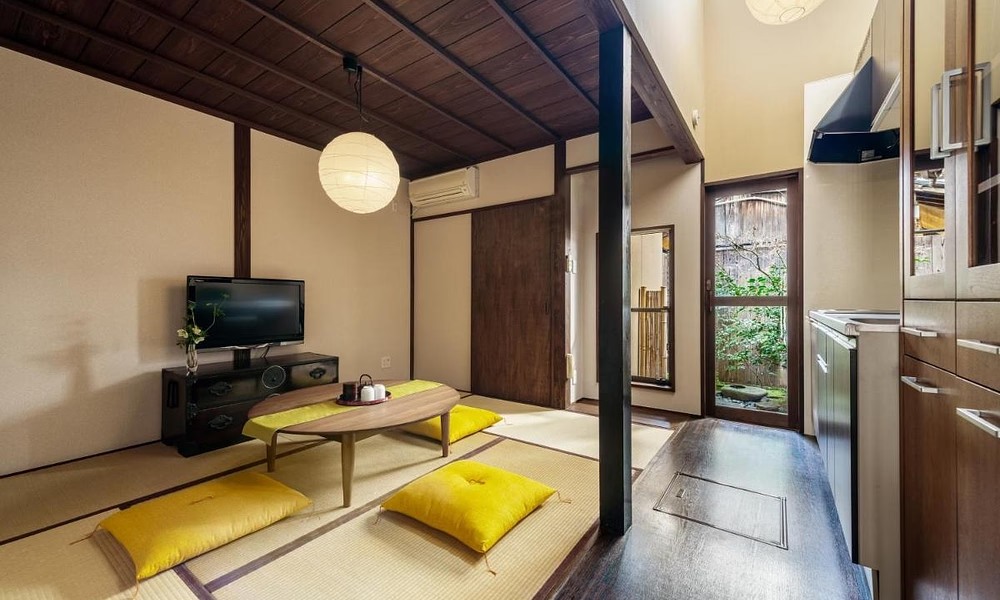
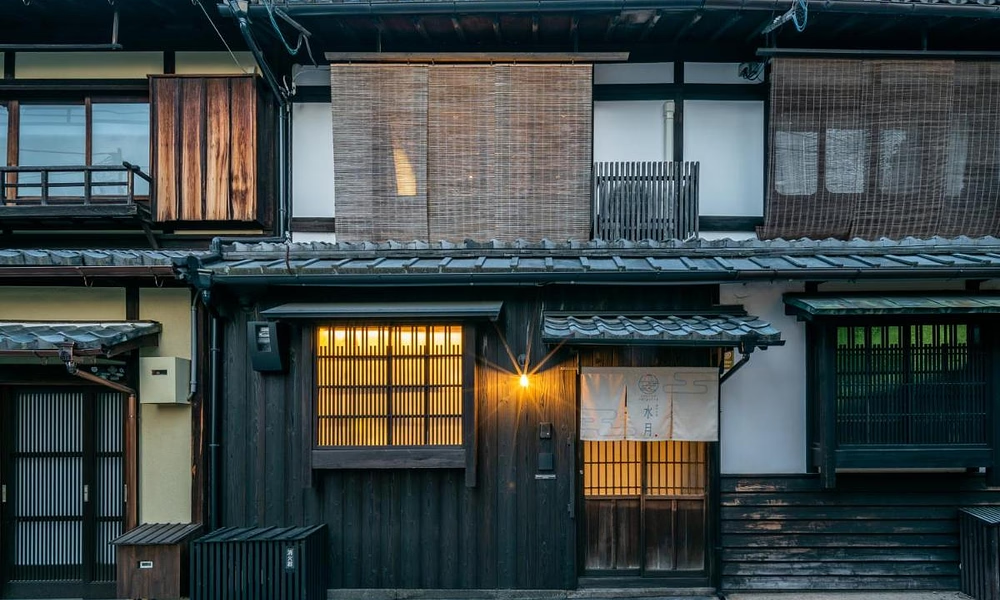
The shukubo part of Hogen-ji is built as a separate structure yet tied to the temple experience. It was opened in the summer of 2022 and involved the renovation of an old kominka. It was transformed from a traditional rural farmhouse into a single-group, one-story accommodation. Made of high-quality wood and built with traditional design principles, the shukubo features tatami-mat rooms in a sukiya-zukuri layout. This results in interior spaces that feel connected with the surrounding rural landscape, including views of Mount Fuji and the Minami-Alps's peach orchards.
At Hogen-ji, meals aren’t included by default with every stay, but guests can choose from several food-related add-ons and plans offered by the host. For morning meals, there’s a Self-cooked breakfast set featuring local ingredients and delicacies, including rice, miso, and eggs from the Minami-Alps. There's also a breakfast set from a local Bakery Louvre, showcasing their freshly baked artisanal breads made with regional produce.
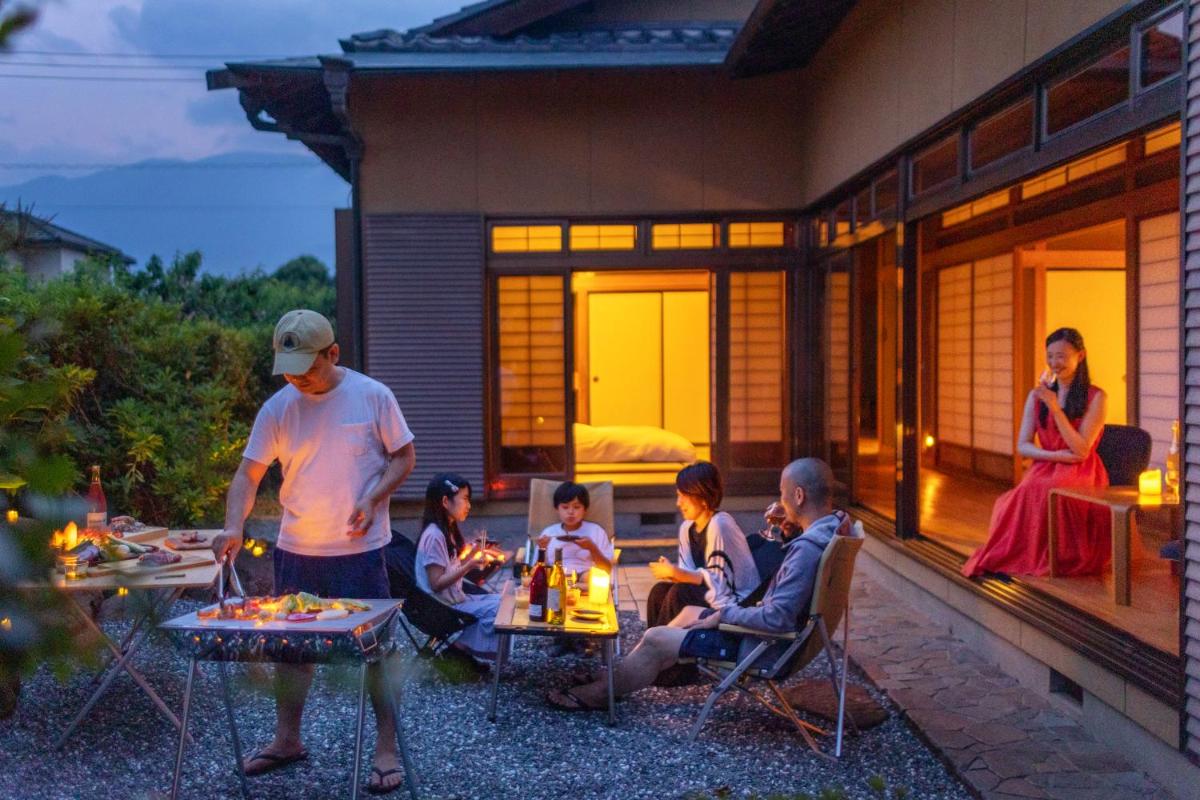
There are also ample amenities for self-catering by using the kitchenette's appliances and utensils. For a fun outdoor dinner, barbecue equipment rental plans come with the necessary cooking gear, and optional food sets are made available as add-ons. You can even expand the experience into a special BBQ + bonfire plan, combining outdoor cooking with a cozy fireside atmosphere.
Although Hogen-ji does not outright state that it accommodates weddings, interested couples can still inquire if the temple conducts marriage ceremonies or request a referral to one that does. Japanese Buddhist weddings, or butsuzen kekkon, are much more solemn affairs compared to their Western counterparts. There can still be plenty of merrymaking done afterwards, though the interested couple would also need to book a nearby venue for the reception.
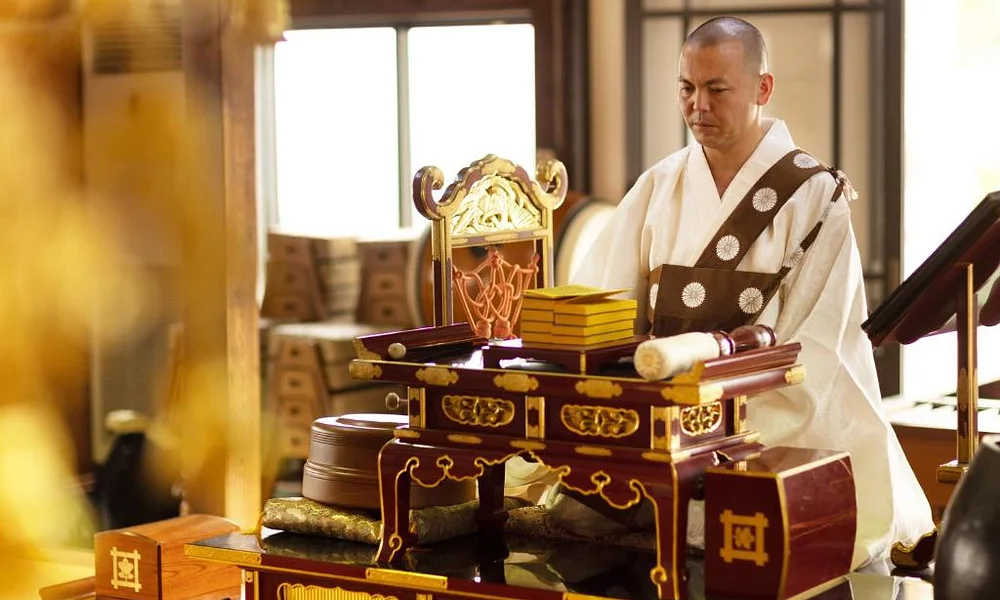
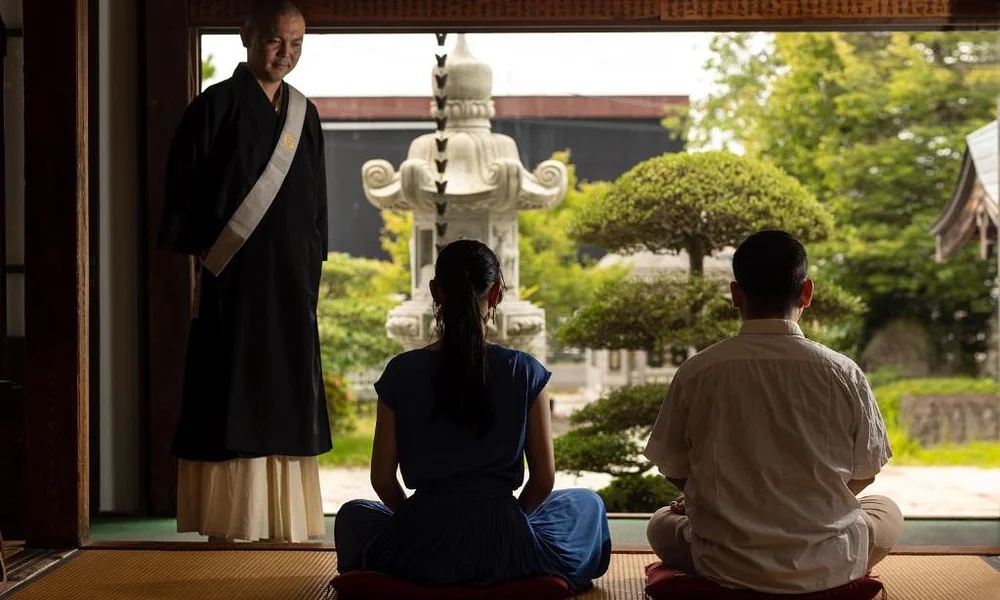
During your stay at Hogen-ji, it's highly recommended to try the various temple retreat activities offered. Each activity is centered around helping guests slow down, reflect, and engage with traditional Buddhist life in a peaceful countryside setting. Included with your accommodation are gentle practices like Temple Morning, which involves morning sutra chanting and meditation. Deeds like samue (groundsweeping), morning tea, and social conversation are all designed to set a calm tone and mood for the rest of the day.
There’s also a Morning Service in the main hall that welcomes beginners with easy-to-follow sutra reading, and optional meditation sessions that help center the mind in the serene temple space. You can also participate in deeper practices such as shakyou (sutra copying) with traditional brushes and ink, learning basic Buddhist teachings in an introductory course, or more intense seasonal practices like suigyou (a water purification rite) under the priest's guidance.
For day trips in the region, you can visit the majestic Minami Alps National Park, which includes parts of Nagano, Yamanashi, and Shizuoka. If you'd rather keep your excursions within city limits, there's also the Minami-Alps Furusato Cultural Heritage Museum, with exhibits of Minami-Alps's culture and heritage, and Myoryo-ji, a historic temple with beautiful cherry groves.
Though an unconventional choice, Shukubo Hogen-ji can make for a unique and memorable destination for a corporate retreat. The shukubo lets guests use the main hall or a Japanese-style room as their meeting or conference venue. The serene ambiance will help everyone concentrate better, and the temple's retreat experiences will make for fantastic team-building activities.
Regional museum showcasing the history, local culture, and industries of Minami-Alps. (12-minute drive)
Nichiren Buddhist temple fondly visited for its beautiful cherry trees. It was once the second-largest temple complex of the Nichiren Sect before suffering a devastating fire. (8-minute drive)
Expansive protected national park that spans the three regions of Nagano, Yamanashi, and Shizuoka. (41-minute drive)
Shinshu-Matsumoto Airport (MMJ) is the nearest airport to Temple Hotel Minami-Alps Hogen-ji, 70 minutes away.
The closest train is at JR Koikawa Station, an 8-minute drive from the shukubo.