



Site of the Utkal Sammilani conferences, Odisha's unification and independence movement
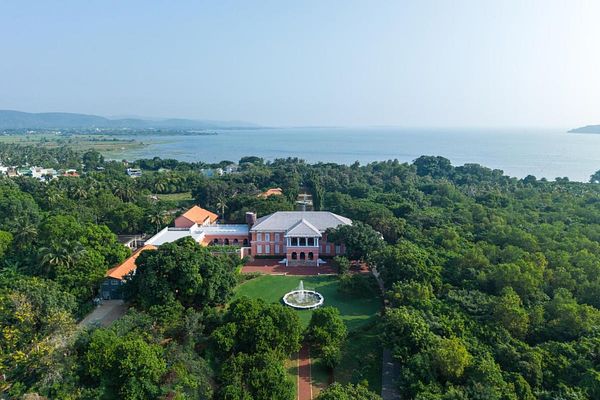
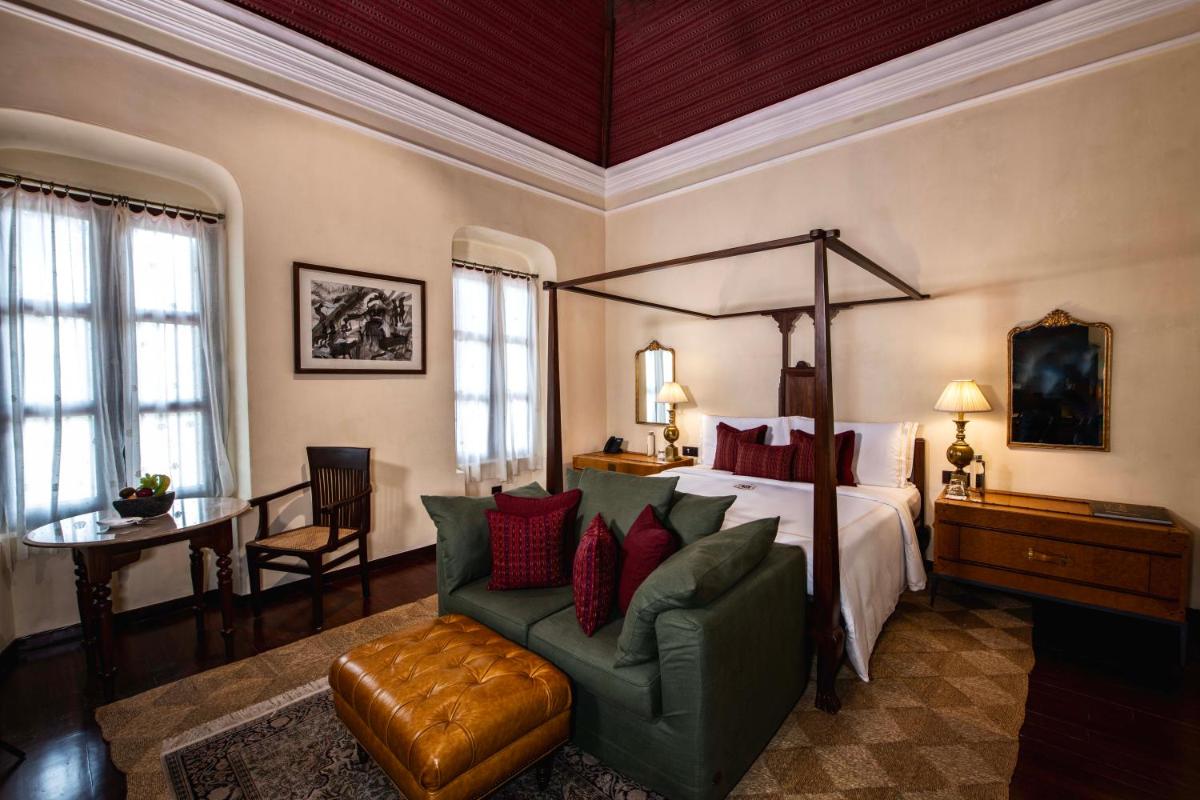
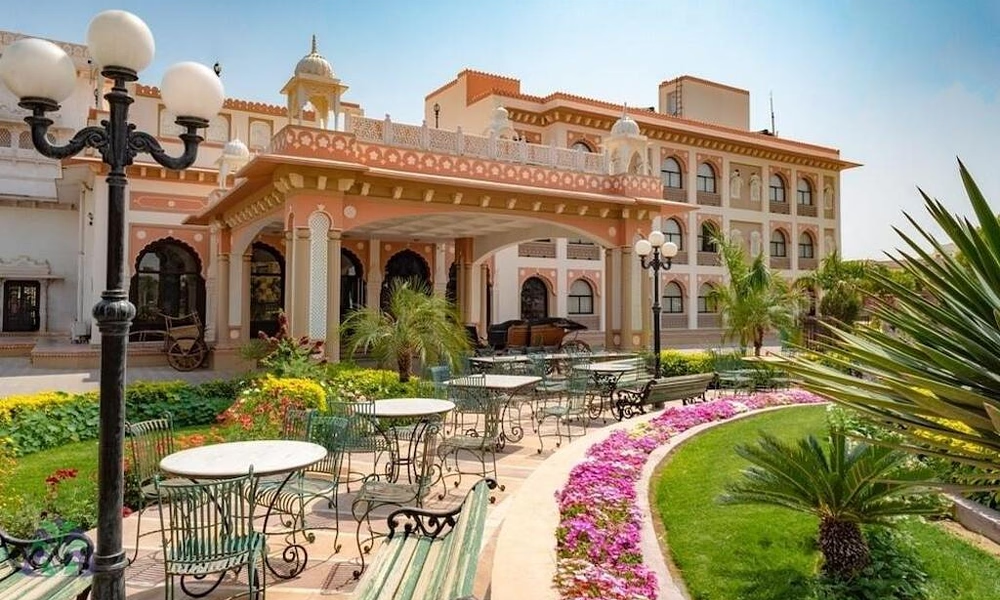
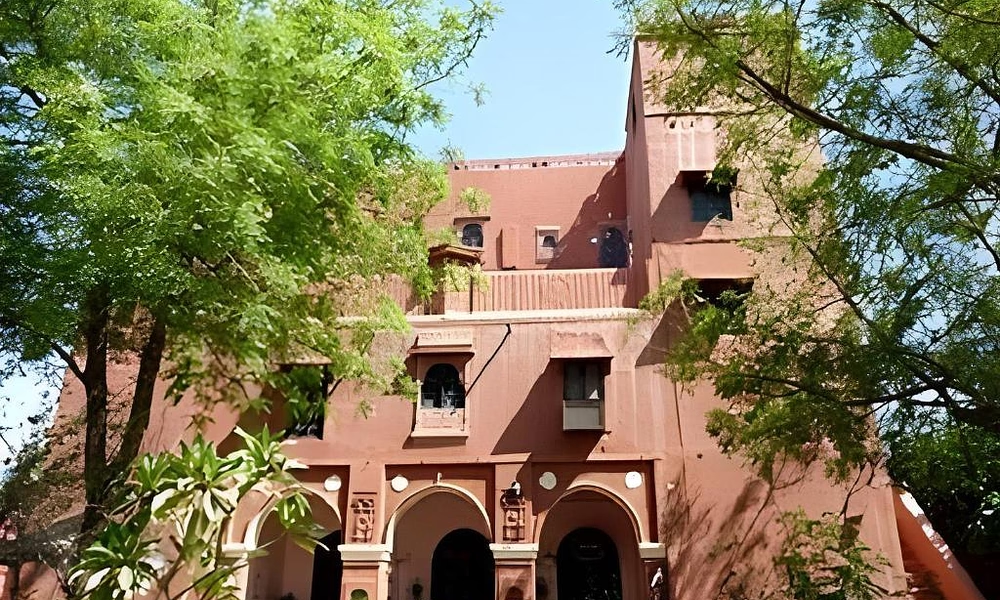
Originally built as the ambitious project of British officer Thomas Snodgrass, the Rhamba Palace gets its grand appellation from being the home of the Khallikote Kings. It was also here that the Utkal Sammilani, Odisha's unification and independence movement, conducted its most important meetings, attended by personages like Jawaharlal Nehru and Mahatma Gandhi. It still fell into neglect, but was later saved by Hunch Ventures, with its restoration led by Sri-Lankan architect Channa Daswatte. After six painstaking years of renovations and reconstruction, Rambha Palace opened its doors as a heritage boutique hotel. Guests who travel here will find cozy and luxurious stays, exciting cultural experiences, and encounters with the wondrous natural beauty of Odisha.
Chilika Road, 761028 Rambha, India
The construction of Rambha Palace began in 1792 and is credited to Thomas Snodgrass, an officer of the British East India Company tasked as the Collector of Ganjam. Snodgrass brought over engineers from Europe to ensure the structure's stability and strength, while local artisans worked on its design and aesthetics.
King Rama Krushna Mardaraj of Khallikote later acquired the estate and moved in, turning the European building into his palace. Economic hardships brought about by famine compelled the king to sell the palace to F.J.V. Minchin, owner of the Aska Sugar Factory. Maharaja Harihar Mardaraj became its owner years later, restoring its function and grandeur as a royal palace. He was also a leading figure among Odisha's unification movements and used the estate to host gatherings and meetings.
In 1902, the palace hosted the Utkal Sammilani conference, aimed at consolidating Odia-speaking regions into a single province. Subsequent conferences continued to draw more leaders and reformers from across the region. Distinguished personalities also became guests of the king, including independence leaders Mahatma Gandhi and Jawaharlal Nehru, as well as officials appointed by the British Empire, such as Lord Willingdon and Sir John Simon of the Simon Commission.
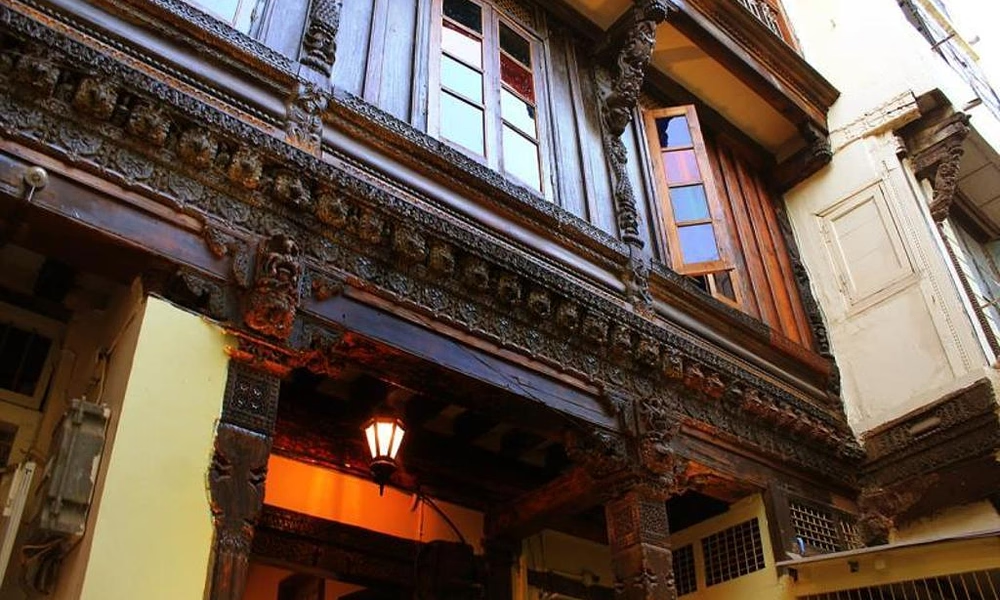
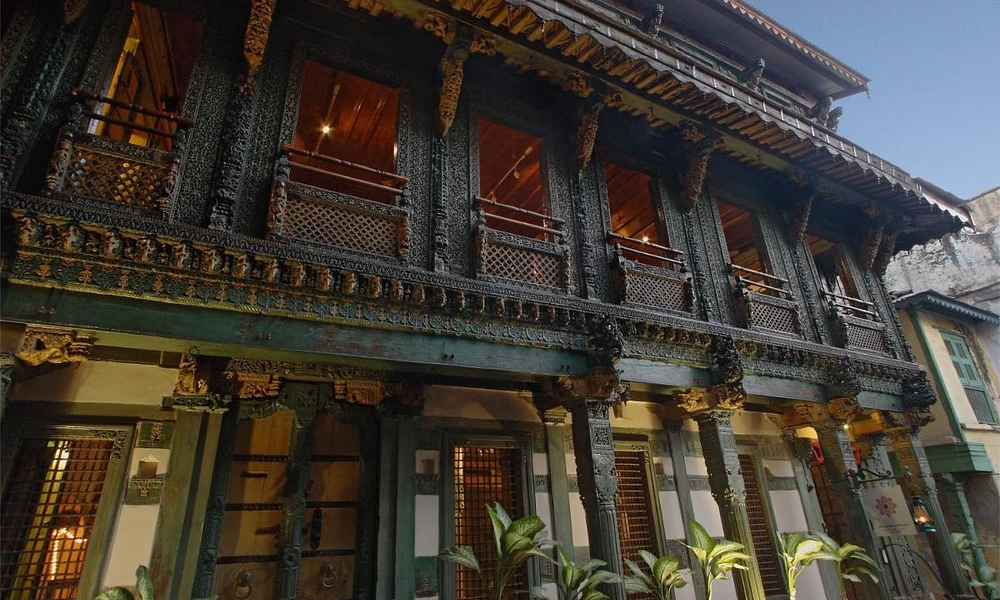
Following India's independence and the abolishment of royal titles, Rambha Palace would fall into neglect later in the 20th century. Channa Daswatte, a renowned Sri Lankan architect and protégé of Geoffrey Bawa, sought to restore the estate while focusing on preserving its heritage aspects. He and his teams set about ensuring that the existing terrazzo flooring, intricate woodworks, and lime plaster walls were kept intact. As a student of Bawa and the Tropical Modernism movement, Daswatte was well aware of how important weatherproofing was for structures like this palace.
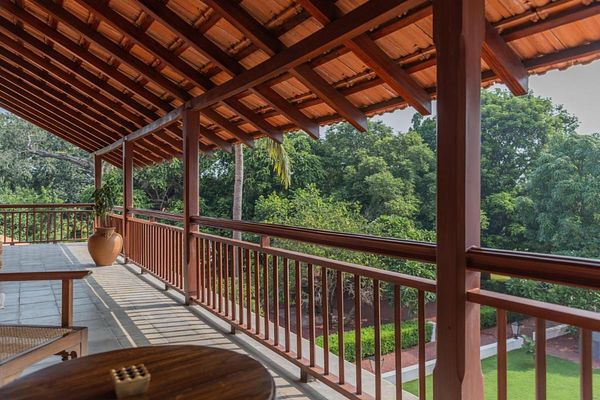
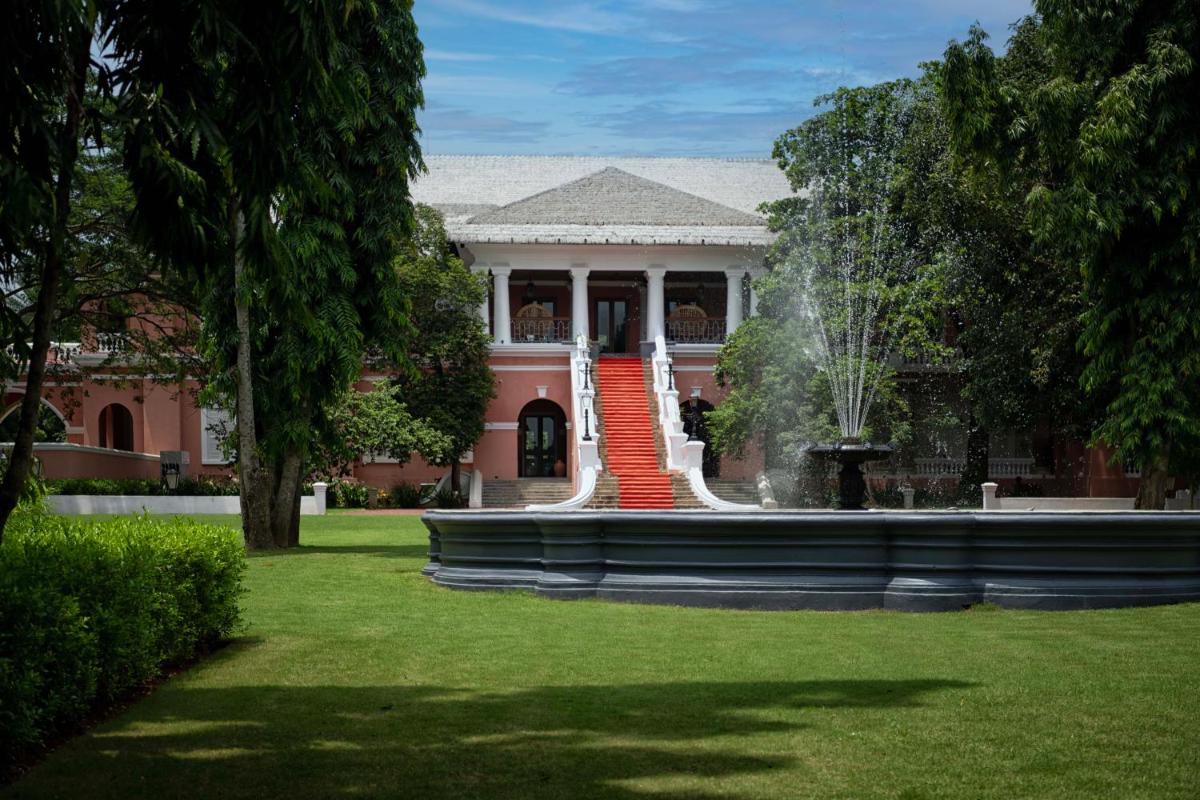
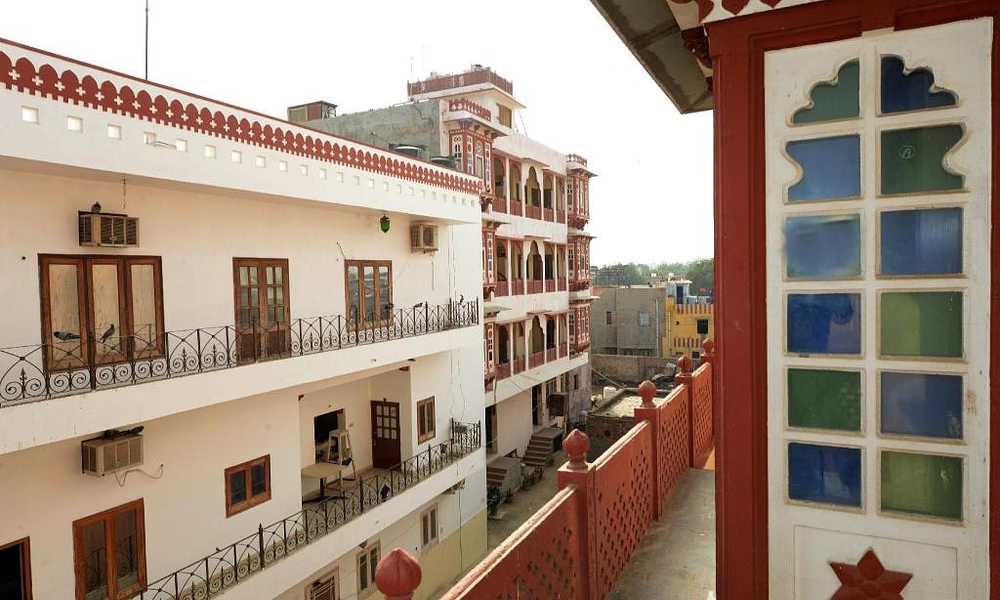
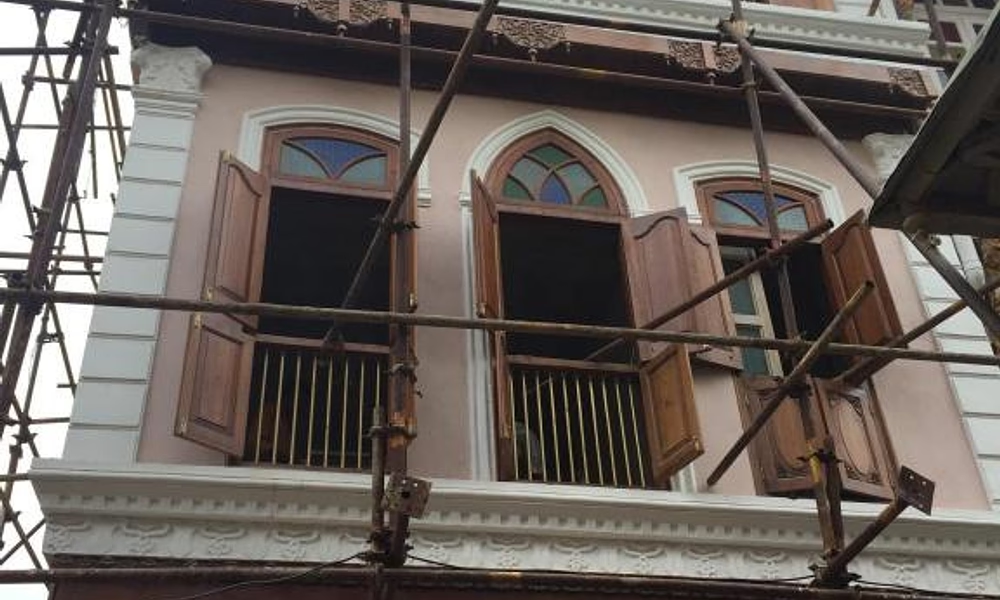
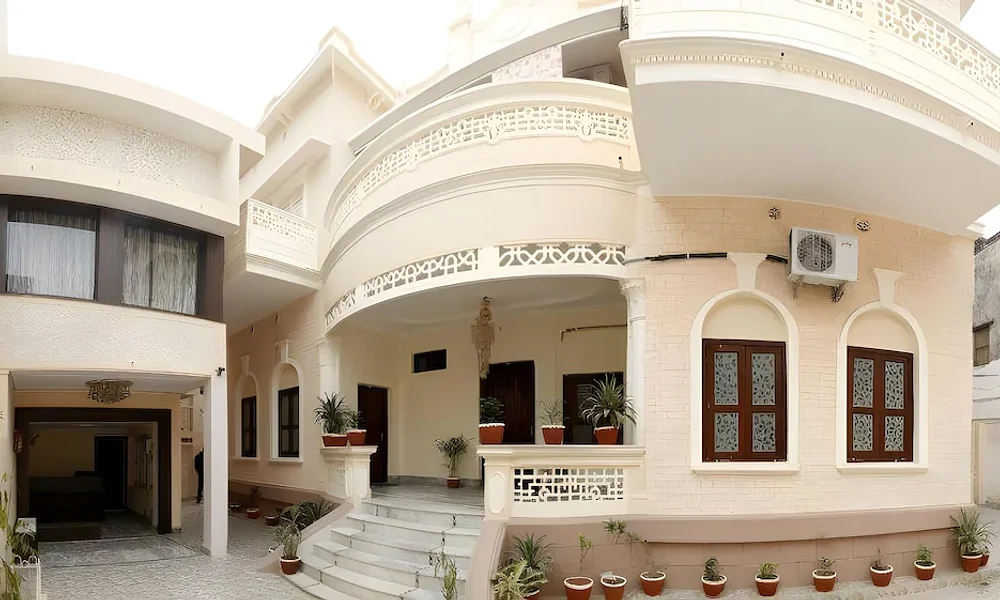
Following its original Colonial design, Rambha Palace follows Western conventions such as attention to symmetry and proportion, as well as using a layout not unlike the chateaus and mansion estates of Europe. When the Khallikote Kings made the palace their residence, they set about adorning their home with traditional artistic details. These include details such as intricate carved wood and items of regional craftsmanship. They also expanded the verandahs and remodeled aspects of the home with native architecture, such as arched doorways and portals.
Mealtimes at Rambha Palace will always be a delight, as you can savor the various flavors of Odisha's seas, jungles, and mountains. Using ingredients grown from the palace orchards and sourced from local farmers and fishers, you can look forward to amazing farm-to-table and sea-to-table dishes.
The Dining Room
The royal dining hall, decorated with chandeliers and stylish accouterments. Like the Khollikata royals that feasted with their guests here, you will also be able to relish a luxurious ambiance as you dine.
The Mango Orchard
A serene garden setting perfect for peaceful breakfasts and teatimes, or an intimate candlelit dinner.
The Garden
Kick back and relax with a sumptuous garden picnic or teatime next to the fountains.
Pool Cafe
Spend a lazy afternoon cooling off with a swim, and indulging on a lunch of pizza cooked in the wood-fire oven, and mocktails and other refreshing drinks prepared at the bar.
The Bar
Unwind after a day of excursions with your favorite drink, or try one of Rambha Palace's signature mixes that incorporate regional ingredients.
Sir John Simon - Leader of the Indian Statutory Commission, colloquially known as the Simon Commission, which was formed to study constitutional reform in India regarding its self-governance.
Mahatma Gandhi - Father of the modern Indian nation and the most recognized leader of the country's independence movement from the British.
Jawaharlal Nehru - First Prime Minister of India and a prominent anti-colonial politician who campaigned alongside Gandhi for India's independence.
Culture and wellness come together with Rambha Palace’s signature MANTNAM program, offered at the signature spa. Guests can choose from a menu of massages, therapies, and treatments that draw on traditional healing practices from the Vedas and Ayurveda. Complementing the spa's services are yoga and meditation classes, situated in settings that overlook or are surrounded by natural beauty.
Speaking of natural beauty, the areas around Rambha Palace and Chilika Lake are blessed with wildlife encounters that shouldn't be missed. The lake itself is home to a large variety of migratory and resident bird species. You can sign up for guided birdwatching tours, which are especially active during migration seasons. You may also go on boat trips to explore a variety of habitats, along with islands and inlets where species like fishing cats, blackbucks, flamingos, and Irrawaddy dolphins live.
Aside from a variety of settings to dine at, Rambha Palace also offers an array of exciting signature dining experiences around the area.
Breakfast on Island
Start the morning embraced in nature's beauty by heading out onto Lake Chilika to greet the rising sun with a toast. You may enjoy your meal on the lake's banks, while cruising on the boat, or after hopping off on the nearby island.
Beach Getaway
Fun and food go hand in hand as you head to the beaches along the Chilika Lake. Featuring a daytime spread or a candlelit picnic, your waterside feast will also be attended to by a palace butler.
Palace Garden High Tea
While High Teas are often associated with the British, it is also a tradition that Indians have made uniquely their own. Bask in the greenery of the garden and fountains while sipping on quality blends and snacking on freshly prepared pastries and finger foods.
Orchard Feast
Celebrate the diverse flavors of Odisha and Indian cuisine at the Orchard Feast. Experience the richness of Rambha Palace's signature Royal Odia Cuisine during Sunday brunches or at a starlit evening banquet.
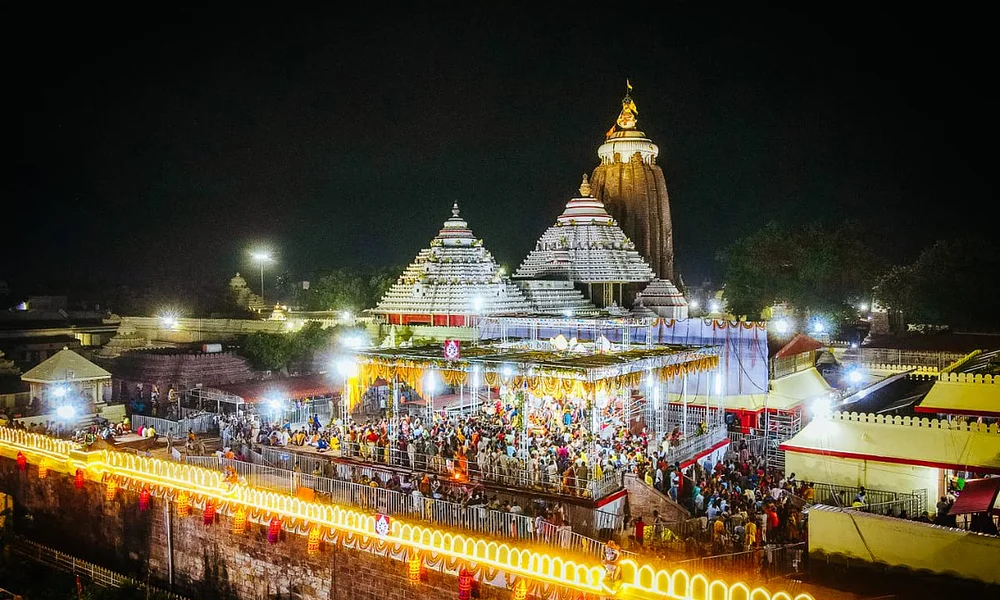
Spiritual and cultural experiences also play important roles in the daily lives of Odisha's people. Also called the Land of Temples because of the concentration of religious sites in the state, travelers will find many religious structures that are over a thousand years old. The Udaygiri Caves in Udayagiri are said to have been made all the way back in 200 BCE, while the Jagannath Temple in Puri dates back to the 9th century.
There are also plenty of opportunities to participate in ancient festivals that are still celebrated to this day. The Jagannath Rath Yatra, one of the largest festivals in India, involves adherents pulling giant chariots carrying Lords Jagannath, Balabhadra, and Subhadra from Jagannath Temple to Gundicha Temple. Another major festival is the Snana Yatra, which celebrates the birth of Lord Jagannath and his siblings.
If you'd like to see the lives of Odisha's people up close, ask the management of Rambha Palace for a heritage tour of the nearby villages and their local industries. The region is home to generations-old workshops dedicated to crafts such as metalworking and Ikat weaving. Of particular note is Raghurajpur, a heritage crafts village famed for its Pattachitra painters and Gotipua dance performances.
Massive brackish water lagoon that flows out to the Bay of Bengal and is home to a large variety of native and migratory species. (12-minute walk)
Ancient caves, culturally and religiously significant to Jainism, and said to have been created around 200 BCE. (54-minute drive)
Great Hindu temple dedicated to Lord Jagannath, first built in the 9th century and rebuilt in the 12th century. (200-minute drive)
Biju Patnaik International Airport (BBI) is the closest airport to Rambha Palace, 160 minutes away from the hotel.
Rambha Station is the nearest railway to Rambha Palace, 11 minutes away by car.