



From colonial architecture to cultural elegance, these heritage hotels in the Philippines are must-visit destinations for travelers.
February 13, 2026The Philippines' colonial period has left a mark on the country's architecture, culture, and way of life—one that continues to shape today’s most iconic heritage hotels. Spanning more than three centuries of Spanish rule, then followed by American and Japanese occupation, this period introduced grand structures, religious influences, and urban planning that still define many historic districts today.
Spanish occupation brought with it grand baroque churches, bahay na bato houses, capiz-shell windows, and thick adobe walls designed to withstand earthquakes and heat. These elements eventually became the foundation of many ancestral homes and civic buildings, many of which have been carefully restored and transformed into heritage hotels and museums across the country. The American period added another layer of influence, introducing neoclassical designs, spacious interiors, and modern comforts. The combination of these styles gave the distinct look we see in heritage hotels in the Philippines now, where old-world elegance meets contemporary hospitality.
More than just beautiful and timeless places to stay in, old hotels in the Philippines now serve as living museums. They preserve the craftsmanship, traditions, and historical narratives of a colonial past while offering today's travelers a meaningful connection to the country's cultural identity.
Although smaller that most mainstream and chain hotels, boutique hotels offer standout touches like eye-catching decor, unique experiences, and personalized services. Many heritage properties are given a makeover to turn into charming boutique hotels. If you want a one-of-a-kind stay, check out our curated list of heritage boutique hotels!
Recognized for their venerable age and for being steeped in history, heritage hotels are seen as icons in their locality. They are often emblematic of certain time periods due to the architecture, or for hosting significant events. They are differentiated further from modern hotels by providing meaningful cultural experiences. Take a look at our recommendations!
Heritage hotels in the Philippines play an important role in preserving the country's cultural identity and historical legacy. Once ancestral homes, colonial buildings, or important civic spaces, these now continue to tell their stories while remaining relevant in the modern world.
Culturally, heritage hotels in the Philippines offer travelers a deep connection to Filipino traditions and local narratives. Aside from its well-preserved design and traditional elements, guests experience history through curated experiences like kalesa (horse-drawn carriage) rides and performances celebrating regional culture. These hotels also contribute to sustainable tourism by protecting heritage structures.
Architecturally, heritage hotels reflect centuries of colonial influence adapted to the Philippine climate. Think capiz-shell windows, vast inner courtyards, and bahay na bato layouts combined with American-era neoclassical details that give it a timeless look. This careful preservation ensures that heritage hotels in the Philippines remain spaces where history and hospitality coexist.
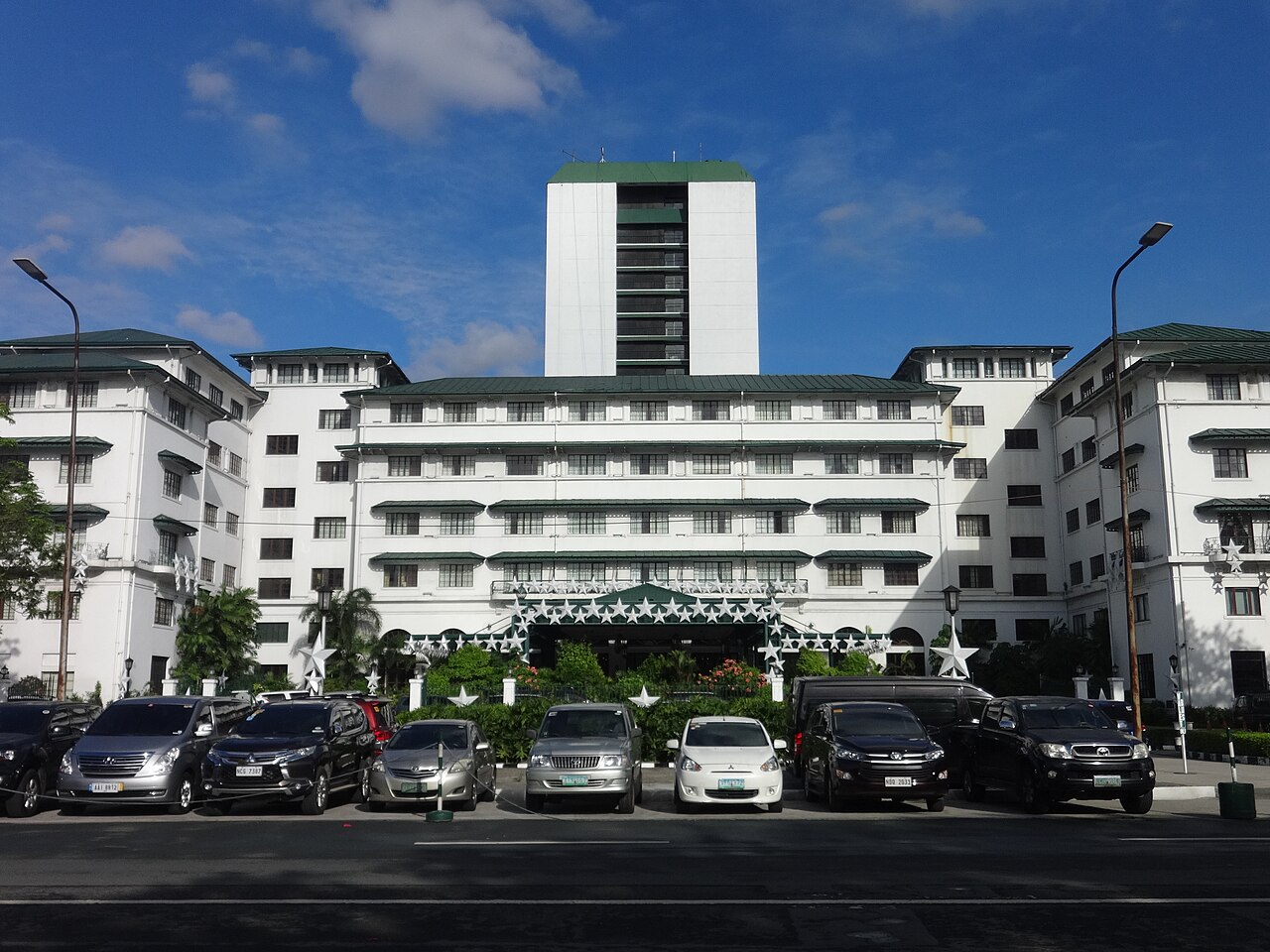
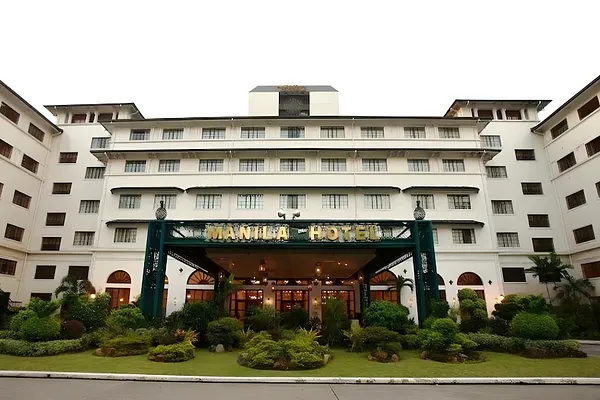
The Manila Hotel is a timeless icon of Filipino heritage and luxury, proudly standing since 1912. Built and renovated by architects like Andres Luna and National Artist Leandro Locsin, the hotel combines American elegance and Filipino traditional design. With its historic charm and world-class service, the Manila Hotel has hosted dignitaries, celebrities, and has seen unforgettable events for over a century. Guests enjoy cultural experiences and modern amenities like a wellness center, pool, and spa. Whether dining at the romantic Champagne Room or celebrating an intimate gathering, every moment is infused with Filipino warmth and sophistication. The Manila Hotel remains a premier destination where tradition meets excellence, offering a meaningful and memorable stay in the heart of Manila.
Ciudad Fernandina Hotel was the former ancestral home of the Encarnacions, a Spanish mestizo family. Even when it was converted into a hotel in 2007, the new owners chose to preserve its centuries-old features and traditional charm. While the guestrooms feature contemporary styles, the halls and spaces of the hotel retain much of their classic aesthetics. Dine amidst the red brick walls of St. Martha's Cafe, trying out Ilocano delicacies and Western dishes given a local twist. Step outside and explore the historic neighborhoods of Vigan, recognized by UNESCO as a World Heritage City for its well-preserved traditional houses. You may even privatize the hotel's banquet hall if you want to hold a special celebration in this beautiful city.
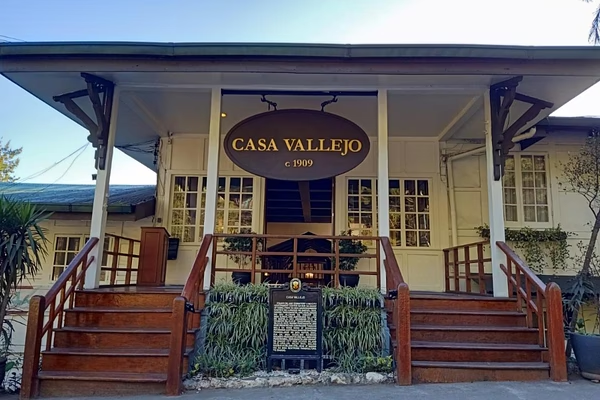
Casa Vallejo proudly hails as Baguio City's oldest surviving hotel, dating back to 1909. Originally built as a dormitory during the American colonial period, it has since evolved into a heritage hotel steeped in history and charm. With pinewood interiors, colonial architecture, and sweeping views of the mountains, Casa Vallejo offers an intimate stay that blends rustic elegance with cultural richness. Home to the acclaimed Hill Station restaurant, it offers a medley of cuisines and is the perfect setting for romantic getaways, celebrations, and intimate events. With a legacy spanning more than a century, Casa Vallejo invites guests to experience the soul of Baguio, where heritage lives on in every nook and cranny.
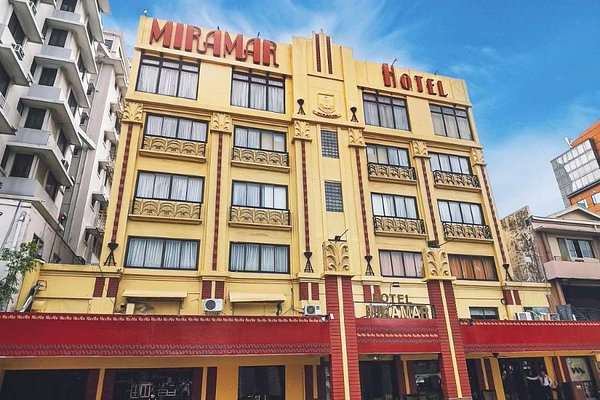
Established in 1932 during the Philippine Commonwealth, Miramar Hotel remains an enduring icon of Manila from the early 20th century. Back then, it was called the Miramar Apartments, where the city's elite lived in sought-after luxury residences. Nearly a century later, the building has been renewed to its classic Art Deco splendor, with spaces and accommodations decorated in stylish vintage furniture. They even restored the original elevator, said to be the first and oldest in operation in Manila! Miramar Hotel's location is also one of the best in the city, as it's close to major attractions such as Luneta Park and Manila Ocean Park, as well as major transportation hubs like Ninoy Aquino International Airport.
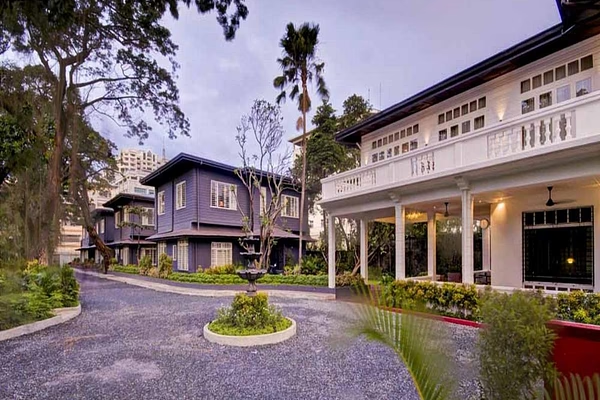
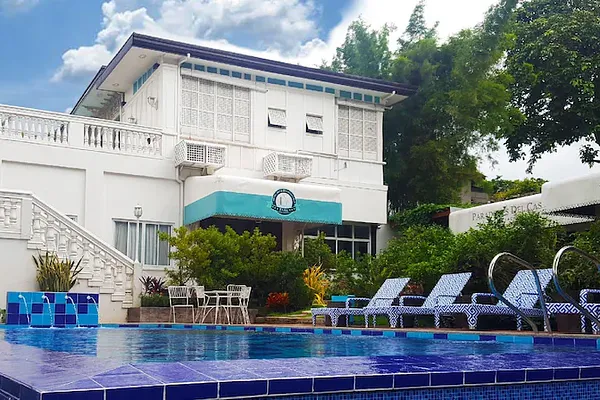
Back in 1948, this estate was a beautiful mansion compound built during the reconstruction of Manila, right after the Second World War. Today, it is known as The Henry Hotel Manila, a gorgeous Old World oasis hiding in Metro Manila. The property consists of five post-war homes, all of which have been modernized and touched up, yet retain or have been restored to their original architecture. Eschewing typical hotel experiences, you'll feel right at home here, relaxing by the garden pool and hanging out in the library. There's also the on-site restaurant, Apartment 1B, where you can dine like Manila's elite did during the mid-20th century. Creative souls can nourish their spirit by visiting the nearby galleries in the neighborhood.
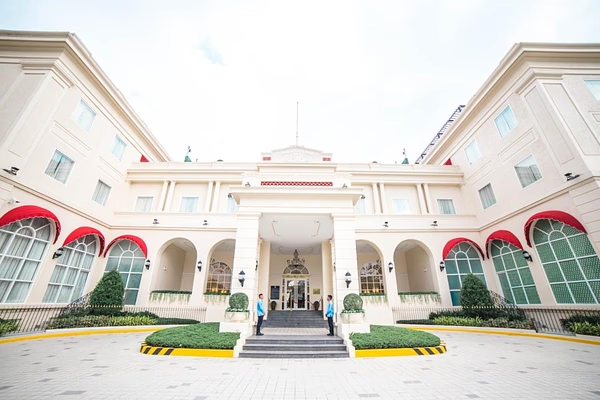
Nestled at the heart of Manila, the Rizal Park Hotel is a heritage hotel housed in the restored 1911 Army and Navy Club, once an exclusive social hub for American officers. Blending neoclassical architecture with modern comforts, the hotel offers elegant accommodations, an infinity pool, a wellness spa, and stylish dining establishments. Ideal for weddings, celebrations, and corporate events, its heritage-inspired function spaces provide a timeless setting. Located beside Rizal Park and near Manila’s cultural landmarks, the hotel offers easy access to museums and the iconic Manila Bay. Rich in history and charm, Rizal Park Hotel delivers a uniquely Filipino hospitality experience in a historic setting, where the past and present meet.
Paradores del Castillo is a beautifully restored 1900s bahay-na-bato originally owned by Dr. Hermenegildo del Castillo and his wife Leonor Sánchez. Once an ancestral home, it was transformed into a heritage hotel in 2015 after a meticulous restoration led by Ernie Villavicencio. Preserving original capiz windows, hardwood floors, and callado details, the hotel blends nostalgic architecture with modern comfort. Other qualities of this charming hotel include heritage rooms, al fresco dining at Cucina de Jardin, garden lounges, and even a small display of vintage glassware and woodwork. With its location in Taal, a National Historic Landmark, Paradores del Castillo stands as a living museum, an elegant tribute to Filipino heritage and hospitality.
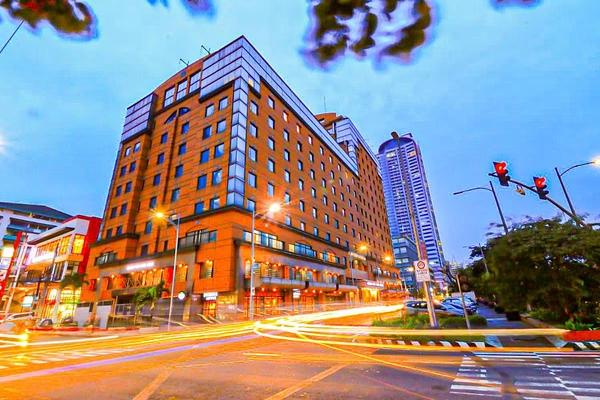
If you need a convenient and lovely place to stay while visiting Manila, consider the Bayview Park Hotel along Roxas Boulevard. Situated in the middle of many major attractions, you can easily enjoy trips to museums and parks at almost any time you want. However, the hotel isn't just renowned for its location; it's also recognized for its history of exceptional hospitality. Since it was rebuilt in 1935, the Bayview Park Hotel has kept up with modern trends, updating rooms and facilities with the latest amenities. When you're not out and about exploring the city, you can savor delectable Filipino cuisine at the restaurant or buffet service, or unwind with a dip in the swimming pool.
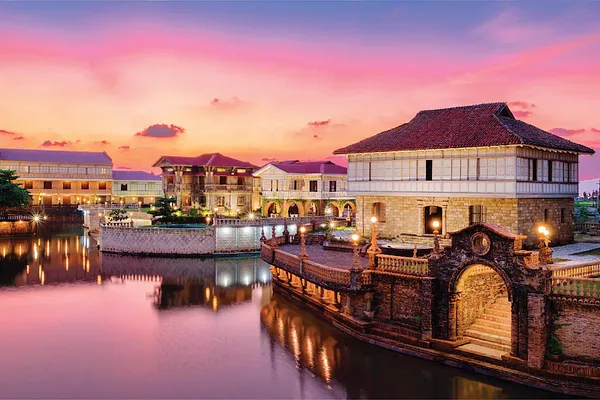
Las Casas Filipinas de Acuzar isn't just a seaside resort; it's a multi-award-winning heritage experience showcasing the rich history of Spanish Colonial Philippines. Aside from the main hotel building's suites, accommodations come in traditional colonial houses that have been painstakingly relocated, rebuilt, and restored from all over the country. Hailed as 2021's Best Historic Hotel in Asia Pacific, the estate is designed like a microcosm of Colonial Philippines, with visitors riding calesa carriages or taking guided heritage walks around the estate. Restaurants around the property feature various cuisines, from traditional recipes to modernized dishes. But immersive stays aren't all that's offered; guests can watch cultural shows, take costume pictorials, and roleplay as if they're living in the colonial era.
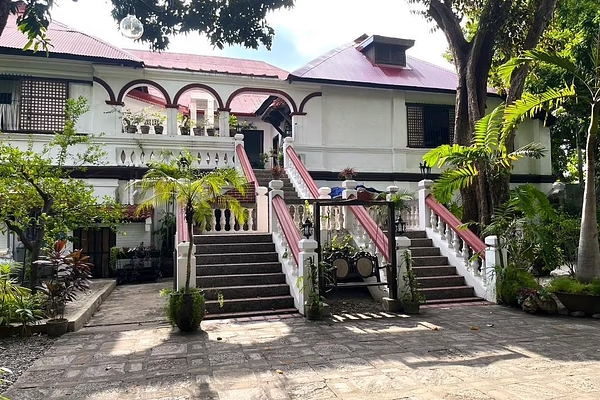
Villa Angela Heritage House is a well-preserved 19th-century bahay na bato nestled in the heart of Vigan, Ilocos Sur. Built in 1873 by former municipal governor Agapito Florendo y Bonifacio, this ancestral home offers guests an immersive experience of Spanish-Filipino colonial living with its antique furnishings, capiz windows, and hardwood floors. Today, it serves as a charming historic stay, an intimate wedding venue, and a cultural destination in this UNESCO-listed historic city. Visitors can enjoy traditional Ilocano meals, go on heritage tours, and experience cultural activities like trying out traditional Filipino attire. With its warm hospitality and timeless ambiance, Villa Angela invites guests to live history, not just observe it.