



Kobe Select dates Select guests
Search
2
0
1

Arima Onsen Tosen Goshobo

Ryokans Ryokans are traditional Japanese inns known for native architecture, authentic cuisine—especially kaiseki-ryouri dinners—and serene onsen baths. Often run by the same family for generations, they preserve Japan’s rich hospitality heritage and offer an immersive cultural experience Choose a ryokan from our list for an authentic experience! 
Ancient to Early Medieval Every historic hotel tells a unique tale of its time. From Renaissance’s Gothic cathedrals to Japanese simplicity, each location reflects the culture, way of life, and architectural style of its era. This property belongs to Ancient to Early Medieval. Click to know more about this period.
5-Star
Kita-ku Arima-cho 858 , 651-1401 Kobe, Japan
$1,380.00 /night for 2 adults View Deal

Highlights

Mentioned in a 1203 diary entry of Fujiwara Teika, hailed as one of the four greatest Japanese poets

Popular Amenities

  • Restaurant
  • Garden
  • Air conditioning

Overview

Arima Onsen Tosen Goshobo is a property dating back to the Kamakura period. Tracing back to the founding of 'Yuguchiya', a hot-spring establishment that stood where Goshobo stands now, its history as a lodging house can be traced back 800 years. There are mainly three types of accommodations available here: the premium suites with 130 square meters (1,400 square feet) of space, the deluxe rooms measuring anywhere from 56 and 75 square meters (602 - 807 square feet), and the standard rooms measuring between 37 and 40 square meters (398 - 430.5 square feet). Shuttle services are available from Arima Onsen Station, but you have to notify the property in advance.

Superb 9.1
982 reviews

map Kita-ku Arima-cho 858 , 651-1401 Kobe, Japan
View in map

Local Info

Onsenji Temple
Tosen Shrine
Kin no Yu Hot Springs
Nearest Airport
Nearest Railway Station
View All

History

The history of Arima Onsen Tosen Goshobo goes back almost a millennium! It was founded in 1192, at the beginning of the Kamakura period, when the hot spring town of Arima flourished and prospered. The first extant mention related to the present-day Goshobo comes from Fujiwara Teika's Meigetsuki, a diary he had kept of his travels, where he lavishes details about Arima. Of the three hot spring inns mentioned in the diary, Yuguchi-ya (the main bathhouse) developed into Arima Onsen Tosen Goshobo. The diary is dated to 1203.

History
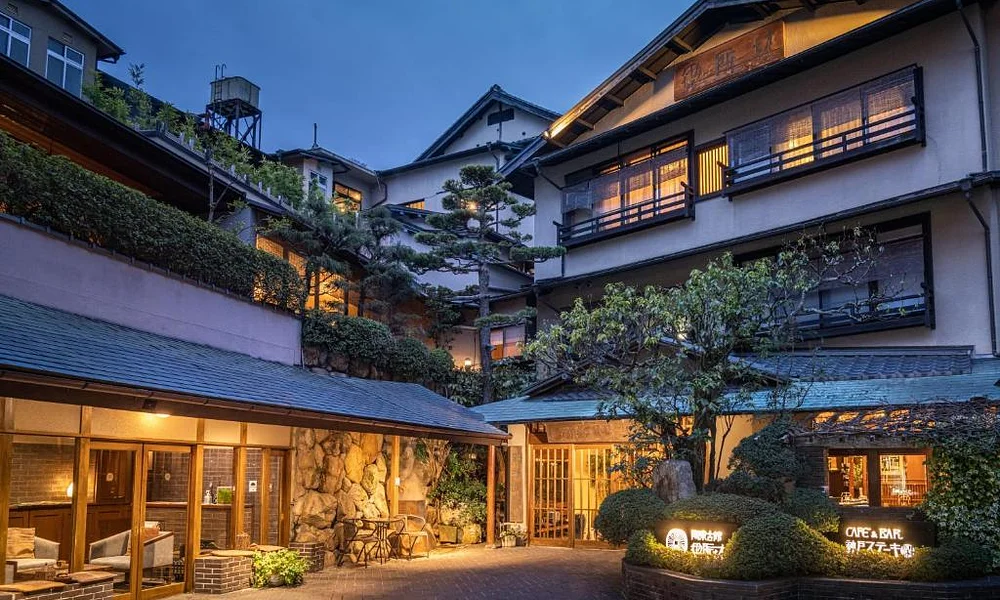
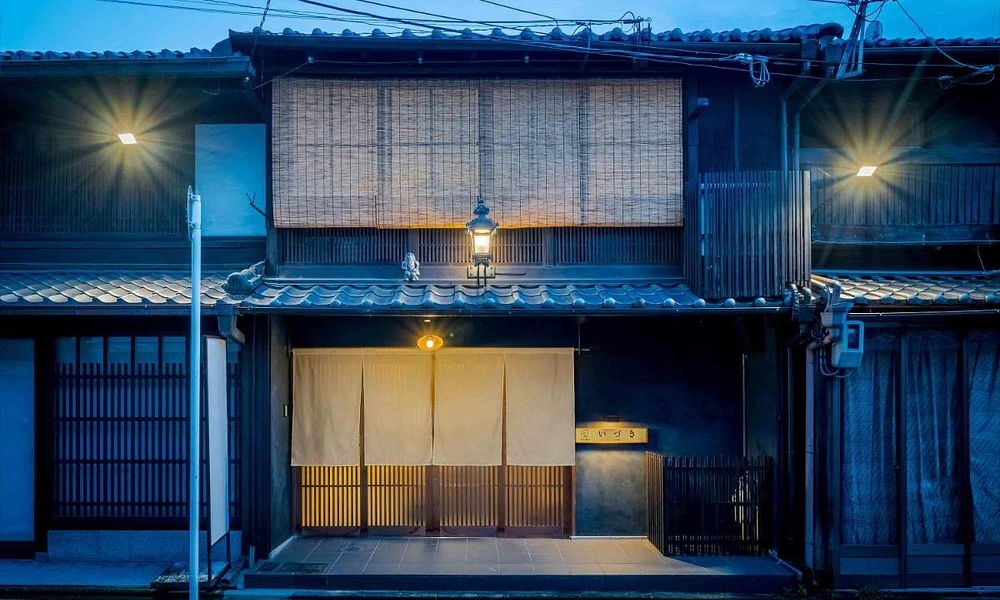
The exteriors of Arima Onsen Tosen Goshobo

Another interesting mention is provided in Zuikei Shuho's famous travelogue about hot springs (dated to 1452). The monk recounts that a house under the jurisdiction of the Onsenji Temple was named 'Gosho' as it is where Ashikaga Yoshimitsu, the third shogun of the Ashikaga shogunate, stayed on his visit to Arima. This home may very well be the present-day Goshobo with the similarity in name.

Goshobo is mentioned again in the diary of Kikyou Shinsui, dated to 1466. By this time, the home had become privately owned and was one of the popular hot spring inns in the town.

Hotel image
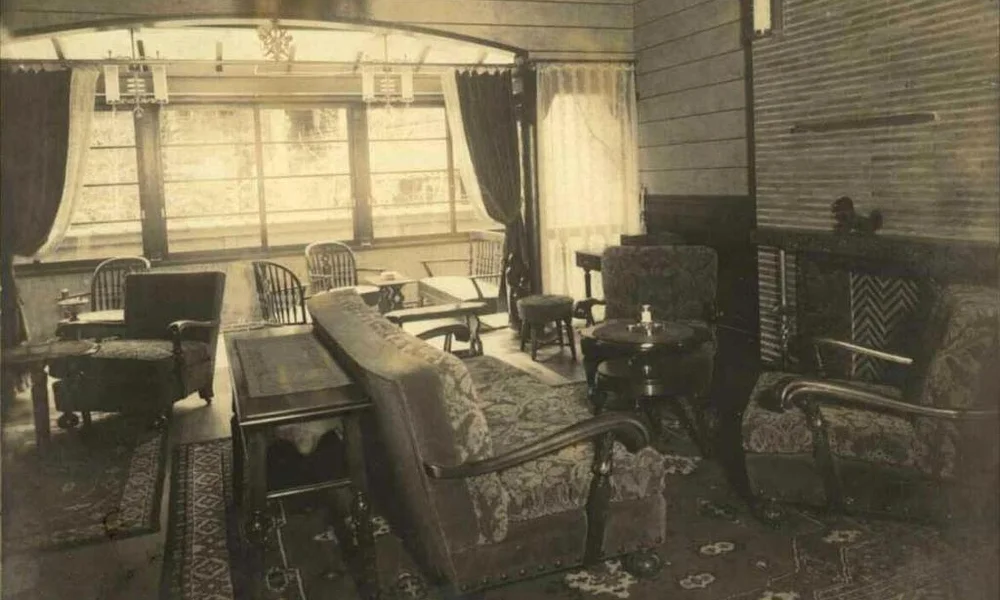
Historic photos of the inn

Design and Architecture

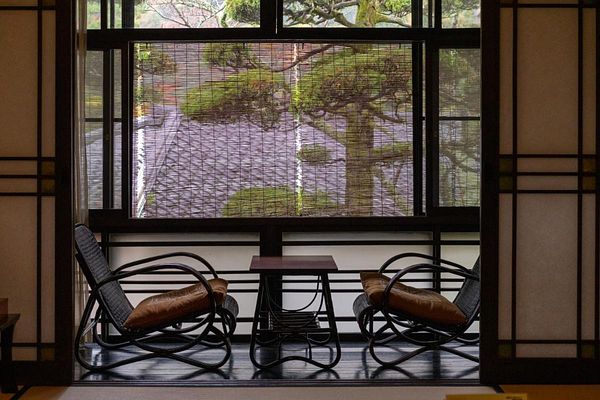
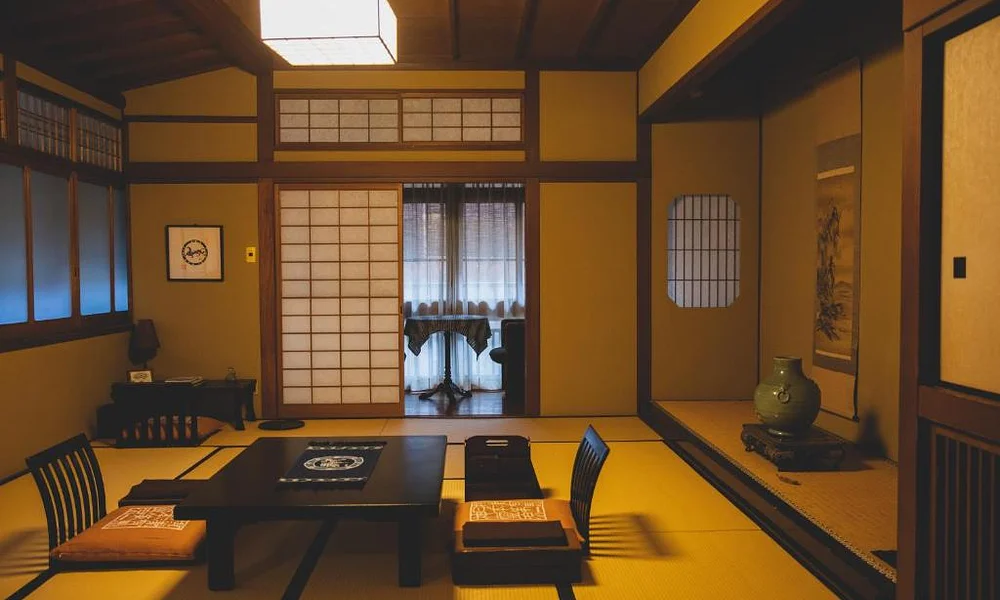
Goshobo's design owes much to the ideals of Watanuki Kosuke, an artist whose creative realms span across painting, sculpture, ceramics, and architecture. All the rooms combine Western and Japanese ideals. Western furnishings are usually restricted to the engawas, which are provided with comfy armchairs and coffee tables. Most of the rooms are bedecked with tatami mats and the associated chabudai and tatami chairs, and you can also find shoji screen doors and windows. Some of the rooms are even themed, such as the Deluxe rooms that are designed with a photography theme.

Hotel image
Traditional rooms at the ryokan

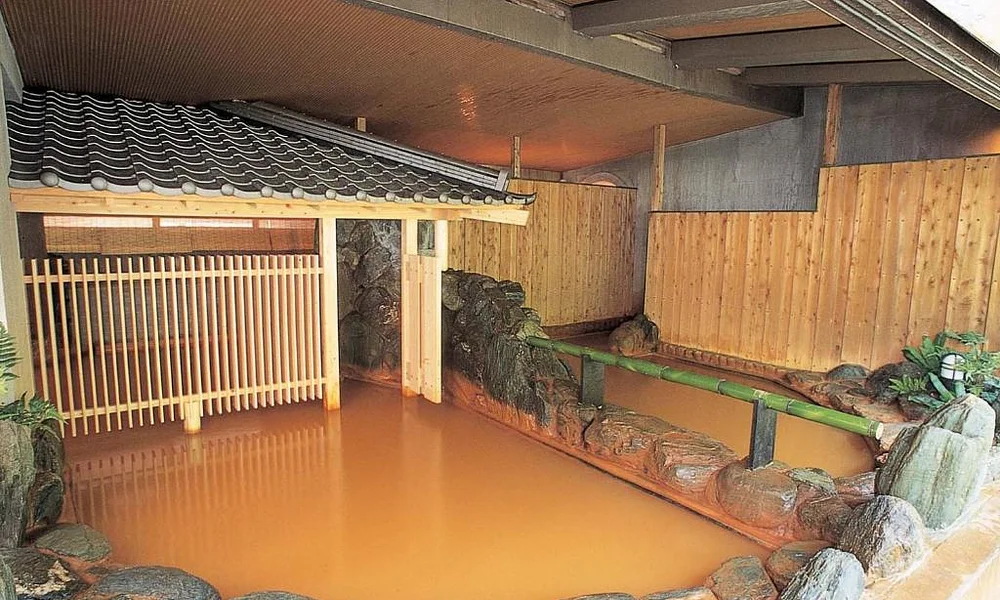
Furthermore, the premium suite has a private hot spring bath that is made up in traditional Japanese aesthetics. There are two bathing areas: a tub crafted out of wood and a huge stone basin. The bathing area features bare stone flooring.

Hotel image
The onsen

Amenities

Popular Amenities

  • Restaurant
  • Garden
  • Air conditioning

Rooms

Superior Twin Room with Shared Bathroom - "Chuyo"


Guest

Room 2 Bed Type 1

Room size 40 m2

Price per night

$411.00

per night price includes taxes and charges
View deal

Japanese-Style Standard Room with Shared Bathroom - "Chikyu"


Guest + 1

Room 5 Bed Type 7

Room size 40 m2

Price per night

$698.00

per night price includes taxes and charges
View deal

Japanese-Style Standard Western Twin bed Room with Shared Bathroom - "Chikyu"


Guest

Room 2 Bed Type 1

Room size 40 m2

Price per night

$409.00

per night price includes taxes and charges
View deal

Deluxe Room - "Tenraku"


Guest

Room 4 Bed Type 7

Room size 62 m2

Price per night

$411.00

per night price includes taxes and charges
View deal

Deluxe Room with Mountain View- "Tenraku"


Guest

Room 4 Bed Type 7

Room size 63 m2

Price per night

$585.00

per night price includes taxes and charges
View deal

Deluxe Suite with Private Hot Spring - "Shinraku 501"


Guest

Room 2 Bed Type 7

Room size 105 m2

Price per night

$1,212.00

per night price includes taxes and charges
View deal

Deluxe Suite with Private Hot Spring & Sauna - "Shinraku 502"


Guest + 1

Room 2 Bed Type 1

Room size 116 m2

Price per night

$1,380.00

per night price includes taxes and charges
View deal

Premium Annex with Garden and Open-Air Bath - "Kouhankyo"


Guest

Room

Room size 125 m2

Price per night

$2,441.00

per night price includes taxes and charges
View deal

Dining

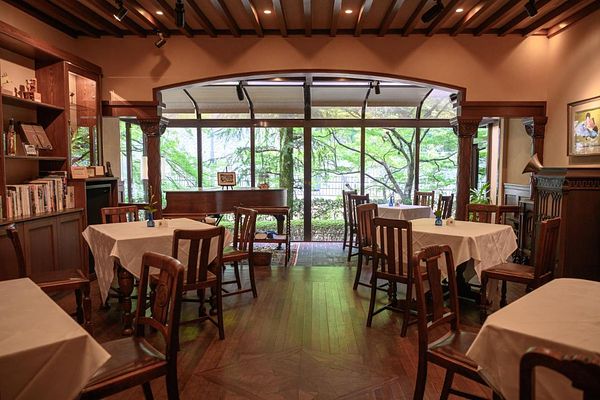
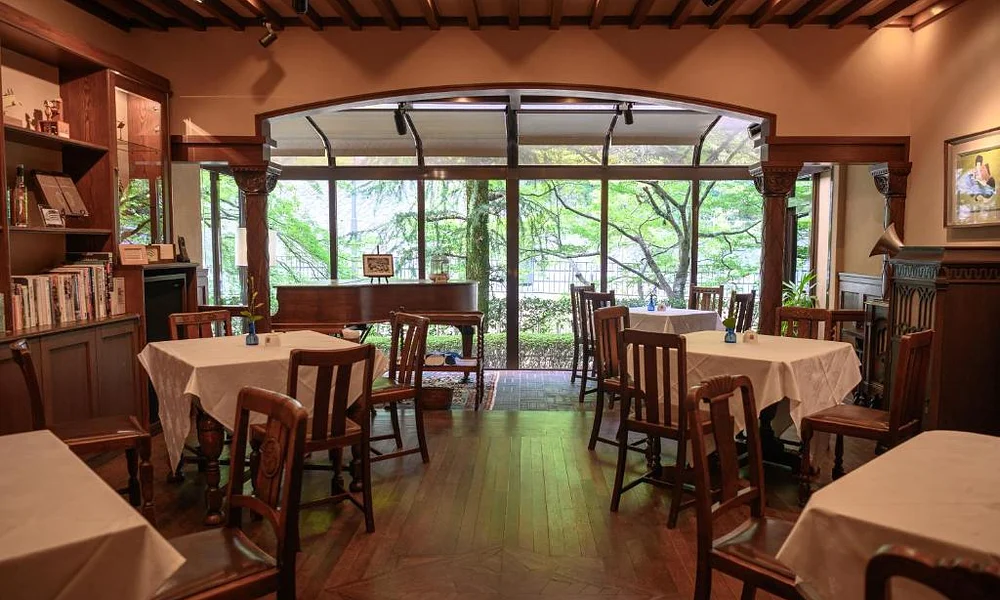
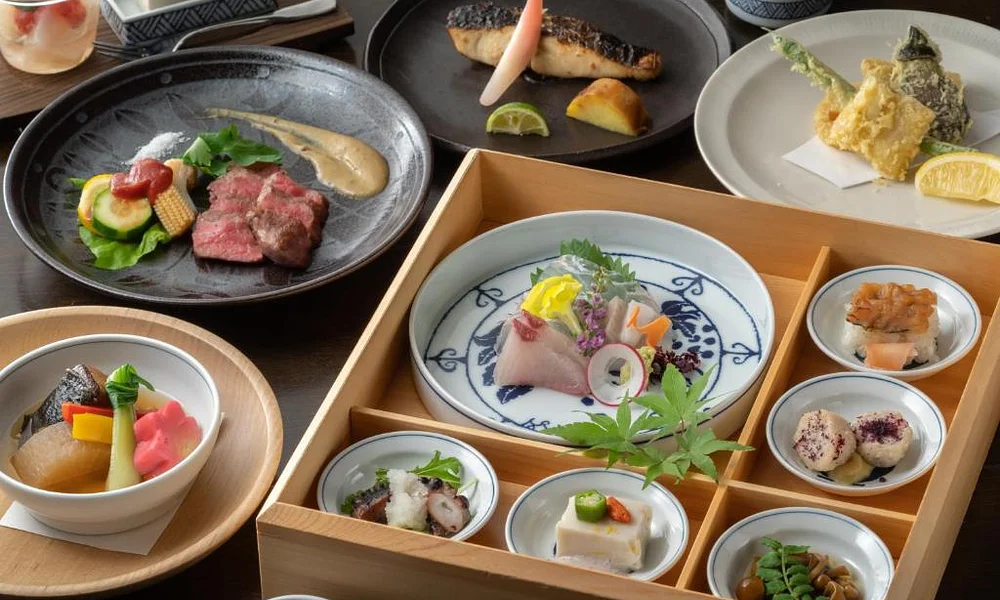
The on-site restaurant has great views of the Itozakura cherry blossoms and Takikawa River. Guests can enjoy having dishes cooked right in front of them on hot plates. The cuisine served here is a special blend of Japanese and Western traditions, reflecting the flow of foreign traditions emanating from the nearby port of Kobe. Furthermore, the property has agricultural corporations in Oshiro, Kami, and Mikata in Hyogo, where local farmers grow rice and vegetables, including special crops such as the organic 'Hota Bokashi' rice. The property has a special relationship with Akashiura Fishing Port, where they're the only establishment that has the permission to enter the premises, so the freshest seafood is guaranteed to guests!

Dining
The on-site restaurant

Dinner

A multi-course meal with appetizers, sashimi, grilled dishes, fried dishes, meat dishes, and desserts awaits guests here. The menu changes seasonally as seasonal ingredients are preferred.

Serving hours: 6 pm - 9 pm

Breakfast

Meals are light and mainly center around tofu made from black soybeans, unique to Tamba, and the boiled tofu is served with seaweed sourced from Sumaura.

Serving hours: 8 am - 10 am

Hotel image
A delicious meal

Events and experiences

Cultural Experiences

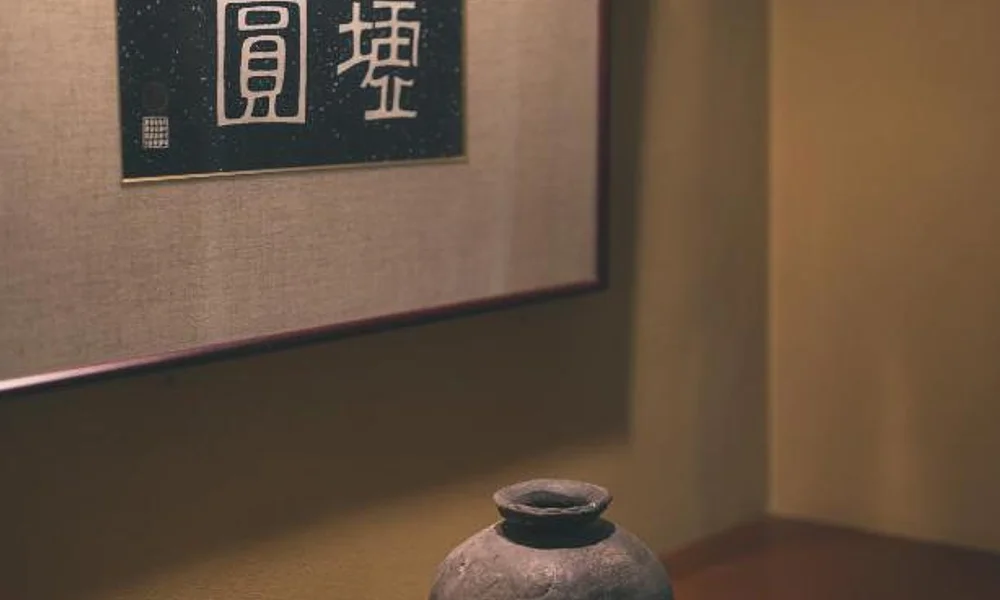
Staying at Arima Onsen Tosen Goshobo is sure to be an experience within itself, as it is filled with unique artifacts. The rooms are filled with artifacts such as books and calligraphy related to Jun'ichirō Tanizaki, Mita celadon porcelain, haikus of Eiji Yoshikawa, antique tea ceremony utensils, and a piece of calligraphy called 'Kodan Goshin' prepared by Hirobumi Ito.

Events and experiences
Artifacts on display

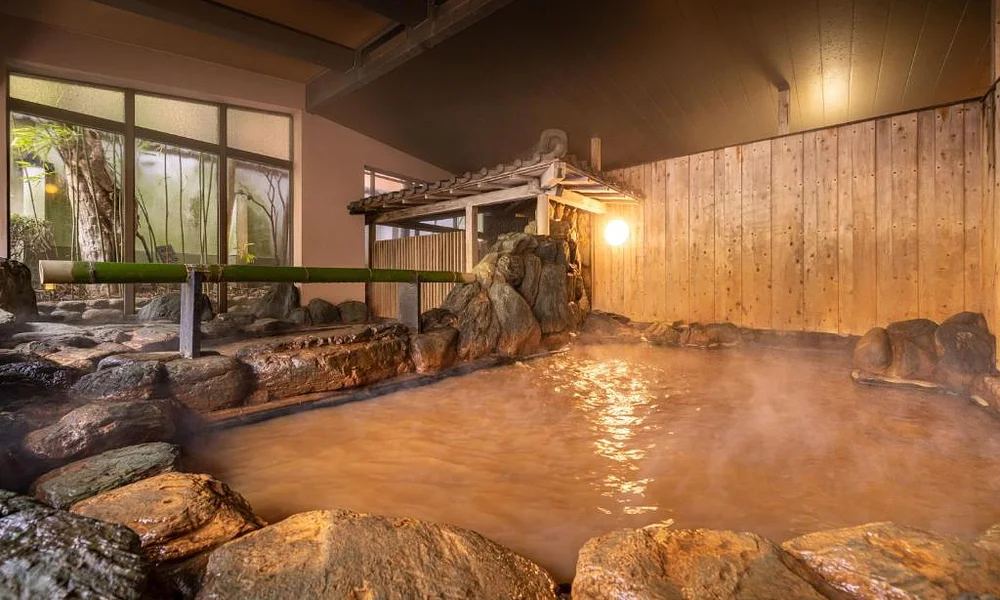
Of course, the highlight of your stay might be the on-site hot springs. The onsen set up is traditional, with rock pools and other beautiful features. The waters are rich in iron and salt and are said to have many therapeutic properties.

Book Venue
Hotel image
On-site onsen

Cultural etiquette

  • Bowing (ojigi): It's advisable to bow to show respect when greeting someone. It can also be done to show gratitude or convey an apology.
  • Shoe etiquette: You must remove your outside footwear before stepping on the elevated area of the genkan (entrance) and entering a house. You should also ensure not to step on the lower area of the genkan without your shoes on. Shoes must be kept facing the entrance. If you wear socks, they should be clean and without any holes.
  • Slipper etiquette: It's usually better to wear fresh socks or slippers inside the house, especially for formal situations. Make sure to remove your slippers before stepping into a room with tatami mats on the floor. There should also be a separate set of slippers for the washroom.
  • Dining etiquette: How you hold and place your chopsticks while dining is crucial. For example, they shouldn't be held upright when eating rice. You must also place them on a holder when you're not using them. It's good to say "Itadakimasu" before starting a meal and "Gochisousama deshita" after completing it.
  • Tipping etiquette: Tipping isn't a common practice in Japan and may be considered rude.
  • Luggage etiquette: Luggage, especially those with wheels, should be carried instead of being dragged across the floor as it might damage the tatami mats or wooden flooring.
  • Photography etiquette: Photography rules can change from place to place, so make sure to check for signs or ask the staff before taking pictures anywhere.
  • Queueing etiquette: Make sure to maintain queues and never cut in line.
  • Onsen etiquette: Some onsens don't allow tattoos, so check with the staff before getting into one. You must also shower and be clean before entering a shared onsen bath.
  • Bathing etiquette: Japanese baths include separate areas for washing while the tub itself is meant only for soaking. This means bathers must first wash, scrub, and rinse themselves before entering the bath tub.

Local Info

Onsenji Temple

Temple dedicated to the deities Onamuchi no Mikoto and Sukuna Biko no Mikoto, who are said to have founded Arima Onsen. (5-minute walk)

Tosen Shrine

Beautiful Shinto shrine with a long stone staircase and intriguing stone statues. (5-minute walk)

Kin no Yu Hot Springs

Arguably the most popular hot springs in Arima and one of three oldest hot springs in Japan. (2-minute walk)

Nearest Airport

The nearest airport to Arima Onsen Tosen Goshobo is Osaka Itami Airport, which is a 30-minute drive away.

Nearest Railway Station

The hotel is only a 5-minute walk from Arimaonsen Station.

Frequently Asked Questions

You Might Also Like

Izuki Machiya House
1 km from airport This is a straight-line distance from Kyoto. Actual travel distance may vary.

Izuki Machiya House

Machiya  Machiya are traditional Japanese townhouses, especially in Kyoto, but also found in Naraijuku, Kanazawa, Takayama, and Kurashiki. Although construction ceased after the 1950 Building Standards Act, many historic machiya remain, offering visitors a glimpse into Japan’s architectural heritage. Check our list of machiyas for a memorable vacation! 
4-Star 9.7
Early Modern & Colonial Expansion Every historic hotel tells a unique tale of its time. From Renaissance’s Gothic cathedrals to Japanese simplicity, each location reflects the culture, way of life, and architectural style of its era. This property belongs to Early Modern & Colonial Expansion. Click to know more about this period.
珠数屋町112, 600-8348 Nishi-kujō-Toriiguchichō, Japan
$335.00 total
Akane an Machiya House
1 km from airport This is a straight-line distance from Kyoto. Actual travel distance may vary.

Akane an Machiya House

Machiya  Machiya are traditional Japanese townhouses, especially in Kyoto, but also found in Naraijuku, Kanazawa, Takayama, and Kurashiki. Although construction ceased after the 1950 Building Standards Act, many historic machiya remain, offering visitors a glimpse into Japan’s architectural heritage. Check our list of machiyas for a memorable vacation! 
4-Star 7.7
Industrial & Imperial Era Every historic hotel tells a unique tale of its time. From Renaissance’s Gothic cathedrals to Japanese simplicity, each location reflects the culture, way of life, and architectural style of its era. This property belongs to Industrial & Imperial Era. Click to know more about this period.
Nakagyo-ku Kaji-cho 172-14, 604-8267 Kyoto, Japan
$235.00 total
Hinaya Higashiyama Machiya House
30 km from airport This is a straight-line distance from Komatsu Airport. Actual travel distance may vary.

Hinaya Higashiyama Machiya House

Machiya  Machiya are traditional Japanese townhouses, especially in Kyoto, but also found in Naraijuku, Kanazawa, Takayama, and Kurashiki. Although construction ceased after the 1950 Building Standards Act, many historic machiya remain, offering visitors a glimpse into Japan’s architectural heritage. Check our list of machiyas for a memorable vacation! 
4-Star 9.0
Industrial & Imperial Era Every historic hotel tells a unique tale of its time. From Renaissance’s Gothic cathedrals to Japanese simplicity, each location reflects the culture, way of life, and architectural style of its era. This property belongs to Industrial & Imperial Era. Click to know more about this period.
Higashiyama 3-31-10, 920-0831 Kanazawa, Japan
$313.00 total
Garaku-an Machiya
2 km from airport This is a straight-line distance from Kyoto. Actual travel distance may vary.

Garaku-an Machiya

Machiya  Machiya are traditional Japanese townhouses, especially in Kyoto, but also found in Naraijuku, Kanazawa, Takayama, and Kurashiki. Although construction ceased after the 1950 Building Standards Act, many historic machiya remain, offering visitors a glimpse into Japan’s architectural heritage. Check our list of machiyas for a memorable vacation! 
4-Star 9.0
Early Modern & Colonial Expansion Every historic hotel tells a unique tale of its time. From Renaissance’s Gothic cathedrals to Japanese simplicity, each location reflects the culture, way of life, and architectural style of its era. This property belongs to Early Modern & Colonial Expansion. Click to know more about this period.
Shimogyo-ku Minamikyogoku-cho 74-1, 600-8117 Kyoto, Japan
$542.00 total
Bonbori-an Machiya House
3 km from airport This is a straight-line distance from Kyoto. Actual travel distance may vary.

Bonbori-an Machiya House

Machiya  Machiya are traditional Japanese townhouses, especially in Kyoto, but also found in Naraijuku, Kanazawa, Takayama, and Kurashiki. Although construction ceased after the 1950 Building Standards Act, many historic machiya remain, offering visitors a glimpse into Japan’s architectural heritage. Check our list of machiyas for a memorable vacation! 
4-Star 9.4
Early Modern & Colonial Expansion Every historic hotel tells a unique tale of its time. From Renaissance’s Gothic cathedrals to Japanese simplicity, each location reflects the culture, way of life, and architectural style of its era. This property belongs to Early Modern & Colonial Expansion. Click to know more about this period.
Higashiyama-ku Yasaka Kamimachi 374-10 , 605-0827 Kyoto, Japan
$371.00 total
Hanagoromo Machiya House
2 km from airport This is a straight-line distance from Kyoto. Actual travel distance may vary.

Hanagoromo Machiya House

Machiya  Machiya are traditional Japanese townhouses, especially in Kyoto, but also found in Naraijuku, Kanazawa, Takayama, and Kurashiki. Although construction ceased after the 1950 Building Standards Act, many historic machiya remain, offering visitors a glimpse into Japan’s architectural heritage. Check our list of machiyas for a memorable vacation! 
4-Star 8.6
Industrial & Imperial Era Every historic hotel tells a unique tale of its time. From Renaissance’s Gothic cathedrals to Japanese simplicity, each location reflects the culture, way of life, and architectural style of its era. This property belongs to Industrial & Imperial Era. Click to know more about this period.
Shimogyo-ku Shimozaimokucho 446, 600-8017 Kyoto, Japan
$242.00 total
Choya Chawanzaka Machiya House
3 km from airport This is a straight-line distance from Kyoto. Actual travel distance may vary.

Choya Chawanzaka Machiya House

Machiya  Machiya are traditional Japanese townhouses, especially in Kyoto, but also found in Naraijuku, Kanazawa, Takayama, and Kurashiki. Although construction ceased after the 1950 Building Standards Act, many historic machiya remain, offering visitors a glimpse into Japan’s architectural heritage. Check our list of machiyas for a memorable vacation! 
4-Star 9.5
Industrial & Imperial Era Every historic hotel tells a unique tale of its time. From Renaissance’s Gothic cathedrals to Japanese simplicity, each location reflects the culture, way of life, and architectural style of its era. This property belongs to Industrial & Imperial Era. Click to know more about this period.
Higashiyama-ku Gojobashihigashi 6-583-51, 605-0846 Kyoto, Japan
$378.00 total
Kohaku-an Machiya House
3 km from airport This is a straight-line distance from Kyoto. Actual travel distance may vary.

Kohaku-an Machiya House

Machiya  Machiya are traditional Japanese townhouses, especially in Kyoto, but also found in Naraijuku, Kanazawa, Takayama, and Kurashiki. Although construction ceased after the 1950 Building Standards Act, many historic machiya remain, offering visitors a glimpse into Japan’s architectural heritage. Check our list of machiyas for a memorable vacation! 
4-Star 9.3
Industrial & Imperial Era Every historic hotel tells a unique tale of its time. From Renaissance’s Gothic cathedrals to Japanese simplicity, each location reflects the culture, way of life, and architectural style of its era. This property belongs to Industrial & Imperial Era. Click to know more about this period.
Higashiyama-ku Sennyuji Suzumegamori-cho 3-8, 605-0975 Kyoto, Japan
$206.00 total
Suigetsu Machiya House
2 km from airport This is a straight-line distance from Kyoto. Actual travel distance may vary.

Suigetsu Machiya House

Machiya  Machiya are traditional Japanese townhouses, especially in Kyoto, but also found in Naraijuku, Kanazawa, Takayama, and Kurashiki. Although construction ceased after the 1950 Building Standards Act, many historic machiya remain, offering visitors a glimpse into Japan’s architectural heritage. Check our list of machiyas for a memorable vacation! 
4-Star 8.5
Industrial & Imperial Era Every historic hotel tells a unique tale of its time. From Renaissance’s Gothic cathedrals to Japanese simplicity, each location reflects the culture, way of life, and architectural style of its era. This property belongs to Industrial & Imperial Era. Click to know more about this period.
Higashiyama-ku Kadowakicho 187-5, 605-0843 Kyoto, Japan
$299.00 total
Nadeshiko Shirakawa Machiya
3 km from airport This is a straight-line distance from Kyoto. Actual travel distance may vary.

Nadeshiko Shirakawa Machiya

Machiya  Machiya are traditional Japanese townhouses, especially in Kyoto, but also found in Naraijuku, Kanazawa, Takayama, and Kurashiki. Although construction ceased after the 1950 Building Standards Act, many historic machiya remain, offering visitors a glimpse into Japan’s architectural heritage. Check our list of machiyas for a memorable vacation! 
4-Star 9.0
Industrial & Imperial Era Every historic hotel tells a unique tale of its time. From Renaissance’s Gothic cathedrals to Japanese simplicity, each location reflects the culture, way of life, and architectural style of its era. This property belongs to Industrial & Imperial Era. Click to know more about this period.
Higashiyama-ku Minamikinomoto-cho 539-6, 605-0015 Kyoto, Japan
$214.00 total

Customer Reviews

Location

The location is right next 500 feet next to the Bus Stop, shops and restaurants.

Amenities

The staff are proficient in English, and the services are excellent. The room is spacious and clean, but the highlight is the futon—it’s incredibly comfortable, warm, and just right.

Dining

Dinner and breakfast were visually beautiful and tasted delicious as well.