With its rich history and culture of selfless hospitality, Japan offers a wealth of historic stays and old houses. Here’s a look at Japanese traditional ryokans and other historic stays.
February 13, 2026Japan’s history is a rich tapestry woven from centuries of artistry and reverence for nature. From the elegant court life during the Heian period to the rapid modernization brought by the Meiji period, Japanese culture evolved around values of harmony, respect, and balance between human life and the natural world. These ideals are evident in many aspects: architecture, garden design, cuisine, and hospitality.
Japanese traditional ryokans, bukeyashiki (samurai houses), humble countryside minka, and other buildings embody these principles. Meticulously built using natural materials like wood, paper, clay, and tatami, these properties blend seamlessly with their surroundings while adapting to the change of seasons. The art of omotenashi—which is deeply thoughtful and selfless hospitality—emerged from this cultural foundation, turning every guest’s stay into a memorable one.
Staying in Japanese old houses and other historic stays is more than just choosing a place to sleep in; it’s an immersion into centuries of craftsmanship and aesthetics that continue to define Japan’s charm and appeal.
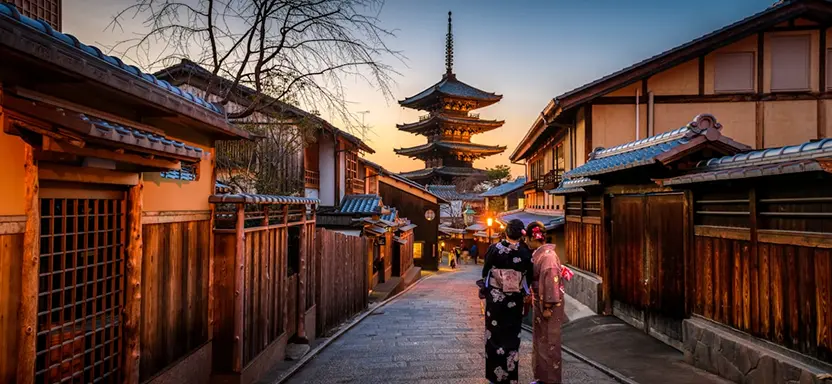
Machiya are traditional Japanese townhouses, especially in Kyoto, but also found in Naraijuku, Kanazawa, Takayama, and Kurashiki. Although construction ceased after the 1950 Building Standards Act, many historic machiya remain, offering visitors a glimpse into Japan’s architectural heritage. Check our list of machiyas for a memorable vacation!
Ryokans are traditional Japanese inns known for native architecture, authentic cuisine—especially kaiseki-ryouri dinners—and serene onsen baths. Often run by the same family for generations, they preserve Japan’s rich hospitality heritage and offer an immersive cultural experience Choose a ryokan from our list for an authentic experience!
Hot springs have long been valued not just as water sources but for their therapeutic benefits. In Japan, they were once linked to Shintoism and Buddhism but are now cherished as wellness retreats. Used for centuries for healing and relaxation, they continue to offer a magical escape. Discover the best historic onsen properties for a magical trip!
Shintoism’s reverence for nature and Buddhism’s quest for inner peace led to shrines and temples in remote areas. To shelter pilgrims overnight, temple lodgings called shukubo were built. Today, they offer spiritual retreats with prayer readings and meditation. Experience tranquility at a historic shukubo—explore our curated list of serene temple stays and monasteries!
Minkas are old folk houses most common in rural Japan and made of natural materials such as bamboo, straw, or mud. These properties come in different architectural styles, including nōka that resembles a farmhouse, while machiyas are traditional townhouses. As many of them have been renovated and restored as holiday homes, check out our list for the best options!
Bukeyashiki are former samurai houses of Japan, boasting a grand castle-like gate, tiled roofs, wooden details, and sturdy walls to keep the property private and secure. Defensive features such as latticed windows with a view of the surroundings are also common. Today, bukeyashiki have been refurbished to operate as guest houses. Here are some of the best options!
Found in historic cities like Kyoto and Kanazawa, machiyas are restored dwellings that were once teahouses and shops, combining old-world charm and modern comforts. Machiya houses in Japan offer the warmth of tatami rooms, sliding shoji screens, and private courtyards. These houses also feature private rooms, a self-catering kitchen, and a spacious layout, making them an ideal choice for families who want to stay together in one place while having their own personal spaces.
Solo explorers looking for tranquility and immersion can stay in minkas, or rural farmhouses. Surrounded by nature and commonly found in villages in Kanagawa and Toyama, minkas preserve thatched roofs, wooden beams, and hearths (irori) where guests can gather with hosts or other travelers.
An introduction to Japanese historic properties isn’t complete without the ryokan, the country’s classic inn. Find tatami floors, sliding doors, and rooms overlooking quiet gardens or hot springs and savor kaiseki multi-course meals with a side of attentive, heartfelt hospitality.
Onsen resorts offer the ultimate indulgence in relaxation for luxury-oriented travelers. Most onsens are set amidst mountains or coastal views, featuring open-air baths, seasonal cuisine, and timeless design. These are the epitome of high-end Japanese wellness, delivering rejuvenation for the body, mind, and spirit.
For travelers drawn to spiritual depth can find a peaceful respite in temple stays, or shukubō. Found in areas like Yamanashi and Mount Koya, guests can join monks in meditation, morning rituals, or scenic hikes. Staying in a shukubō offers a rare opportunity to experience simplicity at the heart of Japanese Buddhism.

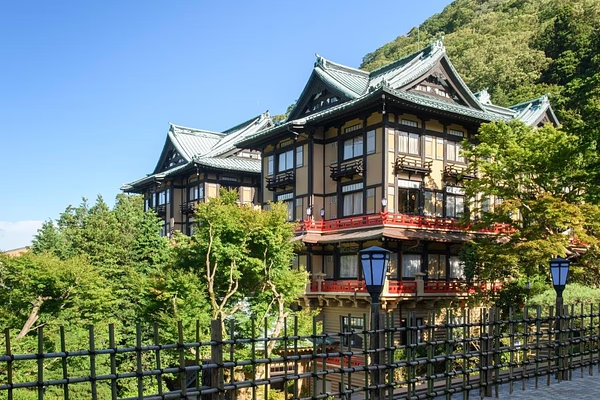
When Yamaguchi Sennosuke established Fujiya Hotel back in 1878, he envisioned a world-class establishment that would represent the finest of Japanese hospitality while pioneering new standards. It has been over 140 years since, and the hotel continues to add new facilities and amenities for the well-being and comfort of its guests and staff. This hotel in Hakone now boasts an estate of four large properties, each with its own theme and luxurious suites. There are also smaller yet equally significant buildings in the estate, such as the Imperial Summer Villa Kikka-So, which now operates as a restaurant. Don't forget to visit the hotel's museum, showcasing photos of Fujiya's celebrity visitors, including Charlie Chaplin, Neil Armstrong, and even Archduke Franz Ferdinand.
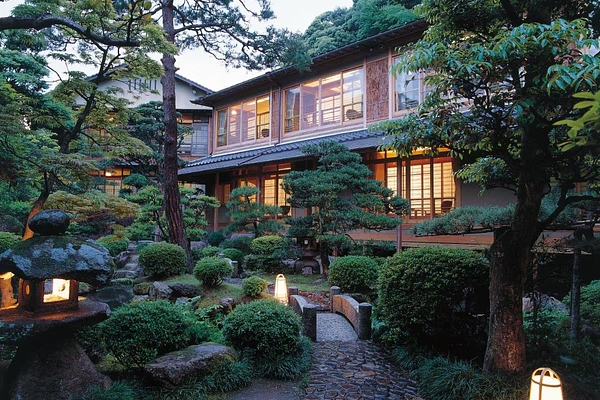
Experience a serene stay at Nishimuraya Honkan, which dates back around 165 years to the Ansei era of the Edo period. The traditional ryokan features a beautifully landscaped garden with koi ponds, easily the highlight of the property. There's even a museum where you can admire paintings, pottery, antiques, and more.
The 29 well-appointed guest rooms boast quintessential features like tatami mats, shoji (paper) screens, and futon beds. The food offered at the ryokan highlights the delectable cuisine of the Tajima region. Aside from the main building, you'll have access to an annex called Hiratakan, which also offers amazing architecture. To find out more, read all about Nishimuraya Honkan, a traditional ryokan in Kyoto, Japan.
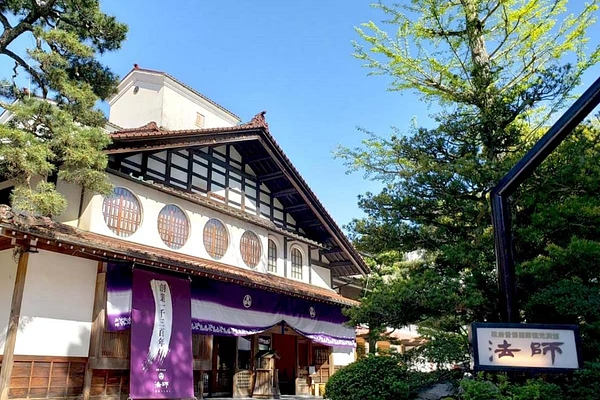
Japan has a rich history, boasting temples and shrines that have existed for over a thousand years. Their traditional ryokans, or inns, have also existed since those early times, some of which are still active today. Houshi Ryokan is one of these long-running establishments, even recognized in the Guinness World Records as the oldest family-run business now on its 47th generation. Here, guests can rejuvenate in the mystical healing hot springs of Awazu Onsen. The ryokan is also a great jumping point to explore Ishikawa Prefecture, as travelers can visit Mount Hakusan and the coasts of Kaga. While here, try Houshi Ryokan's special kaiseki cuisine, the Hakusan Course and the Kaga Course, representing some of the finest local flavors.
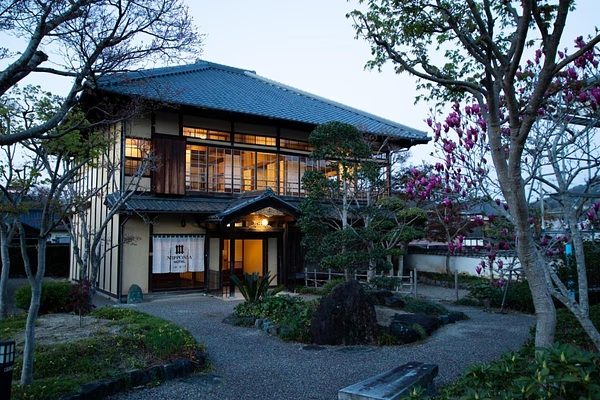
Have you ever dreamed of staying in a castle? If so, you must plan a stay at the 14th-century Nipponia Hotel Ozu Castle Town. The fully restored castle is the first of its kind in the country. It features stunning architecture, luxurious rooms, and unforgettable experiences. The hotel follows a decentralized concept, which means that its buildings are scattered all over the castle town. Some of these historical buildings have even been designated as tangible cultural properties! When it comes to gastronomy, the property offers nothing but the best, which mainly includes age-old recipes. For more information, scroll down to find a detailed description of Nipponia Hotel Ozu Castle Town, a traditional castle hotel in Ozu, Japan.
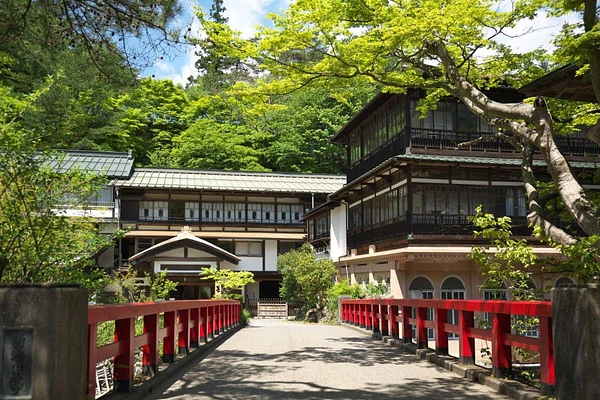
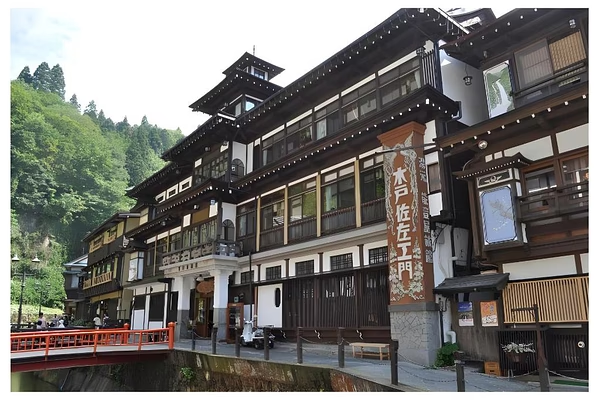
With its iconic red bridge and traditional facade, one may recognize the exterior of Sekizenkan Kashotei Sanso from the famous movie, Spirited Away. However, this traditional ryokan boasts hundreds of years of history and hospitality. The property is divided into three buildings: Honkan, the oldest building, houses the famous Genroku no Yu bathhouse, while guests are in for an architectural treat at Sanso. For those who prefer a bit of privacy, Kashotei is in a quiet corner surrounded by pine trees. Sekizenkan Kashotei Sanso offers a gastronomical treat with kaiseki cuisine highlighting seasonal delights. While its hot spring baths are the highlight of the ryokan, they also offer a lounge, footbath, and a good location for a day trip.
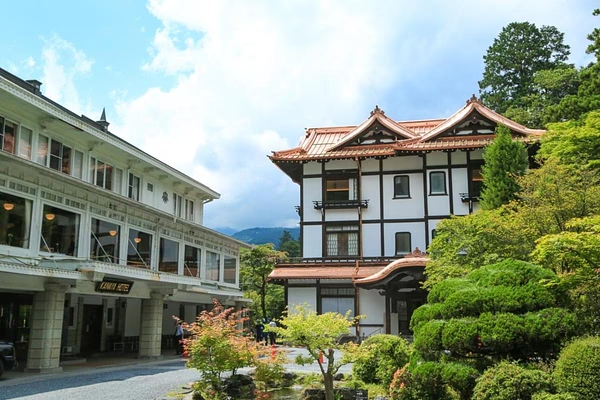
Nikko Kanaya Hotel first opened its doors in 1873 as the Kanaya Cottage Inn, Kanaya Zenichiro's own house he had renovated into lodgings that catered exclusively to foreigners. The enterprise was a massive success, and the Kanayas later built the larger Nikko Kanaya Hotel. Today, the property is recognized as Japan's oldest Western-style hotel, having remained in business for over 150 years. Over the decades, it had hosted many esteemed travelers, including US President Ulysses Grant and genius physicist Albert Einstein. Aside from its history and quality of service, Nikko Kanaya Hotel also makes for a fantastic home base when exploring Tochigi. Lake Chuzenji is one of Japan's most scenic lakes, while Mount Nantai provides plenty of outdoor adventures.
Right in the heart of Japan’s Tohoku Region, the Notoya Ryokan offers visitors an authentic, tranquil experience away from the hustle and bustle of the city. Founded in 1892, the four-story property is, on the outside, an eminent example of Taisho-era architecture, and on the inside, an eclectic mix of both Western and Japanese interior design and furniture. Enjoy Japanese hospitality through elegant tatami rooms, soothing onsen baths, and exquisite kaiseki cuisine. Sightseeing and traveling would not be a worry with their shuttle service; as well as wonders like Shirogane Falls, Senshin Gorge, or the temples of Kishimojin and Shiroganeyama Enmeji, all within walking distance. Notoya Ryokan provides a perfect escape for those seeking a comfortable and unforgettable Japanese experience.
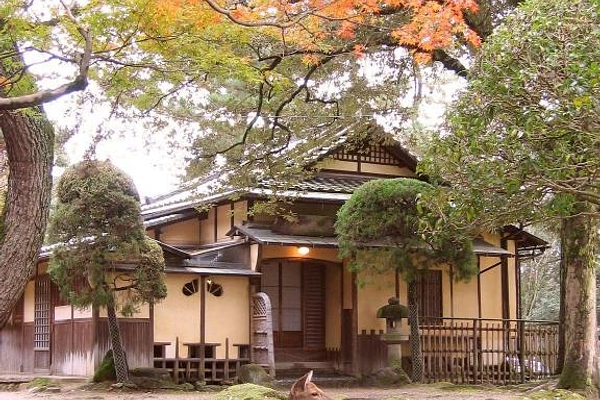
Nara is famous for many things. Nara Park is an urban park home to numerous ancient temples and shrines, some of which are part of the Historic Monuments of Ancient Nara UNESCO World Heritage Site. The park is also home to the world-famous sika deer, which are known to greet visitors by bowing. If any of that caught your attention, book a stay at Edosan, an esteemed ryokan nestled in the grounds of Nara Park. You’ll be able to walk to the temples, shrines, and museums that are close or on the park grounds. You’ll also meet and befriend sika deer during your stay. Guests will also enjoy Nara’s signature kaiseki cuisine, as well as the regional Wakakusa-nabe.
The Imperial Hotel Tokyo is a prestigious luxury hotel in Chiyoda, Tokyo, established by the Japanese government in 1890 initially to host foreign dignitaries. Its colorful history has seen its main building be renovated and replaced three times since its initial construction, with each new iteration with its own purpose and unique historical and cultural character. Guests have access to many amenities and features such as indoor pools, fitness centers, spas, indoor clinics, and 18 dining venues featuring Japanese and international cuisine. Renowned for its first-class hospitality, it provides accessible, well-furnished rooms, concierge, touring, and limousine services. It is ideal for casual stays, business travelers, romantic events, or cultural exploration from its location in the heart of Tokyo.
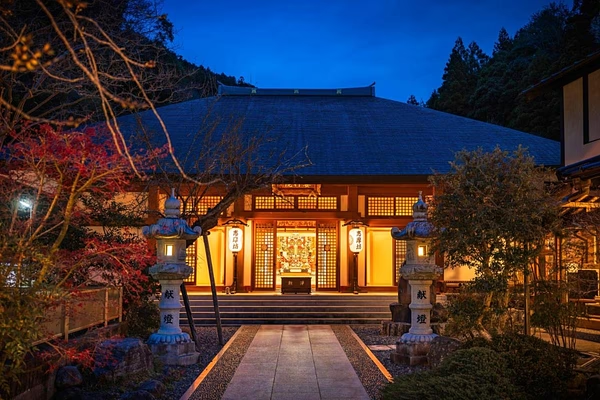
Though the many wonders of Japanese culture have spread throughout the world in recent years via modern media, some aspects are still shrouded in mystery and mysticism, especially their religion. Travelers who wish to peer through that shroud can learn a lot by lodging at a temple stay when they visit Japan. Temple Hotel Shimano-bo offers a scenic and serene location surrounded by the mountains of Yamanashi, where you can experience a holiday of reflection and spiritual cleansing. Join the monks in activities like chanting and meditation, and dine on carefully prepared Buddhist cuisine prepared by licensed chefs. Yamanashi is also famed for many iconic landmarks, most especially Mount Fuji, so be sure to go out and explore as well.