



Your Ideal Heritage Stay, Where Comfort Meets Traditions
Ryokans
Ryokans are traditional Japanese inns known for native architecture, authentic cuisine—especially kaiseki-ryouri dinners—and serene onsen baths. Often run by the same family for generations, they preserve Japan’s rich hospitality heritage and offer an immersive cultural experience Choose a ryokan from our list for an authentic experience!
Featured Ryokans
Yudanaka Seifuso
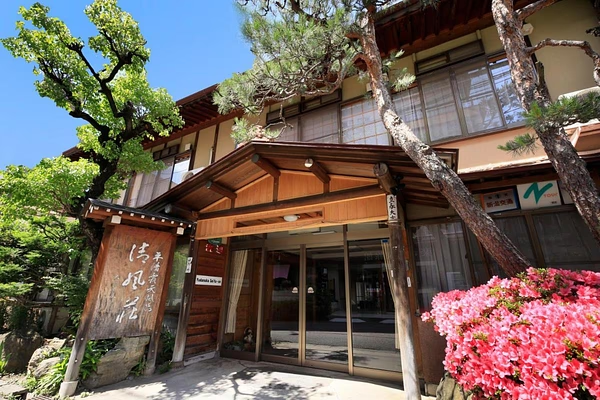
Travel back in time with a stay at Yudanaka Seifuso, a traditional ryokan dating back to 1890. The property features old-fashioned architecture, beautifully renovated and preserved to create a comfortable ambiance. You'll have access to modern amenities as well, such as flat-screen TVs, Wi-Fi, and free parking, for a convenient stay. The highlights of the property are the delicious Japanese food it serves and its onsens. Each of the three baths offers a unique therapeutic experience, so make sure to try all of them! When you're done exploring the property and all its offerings, head out to enjoy outdoor activities such as hiking, skiing, or cycling to fall in love with the location.
Featured
Hiiragiya Ryokan
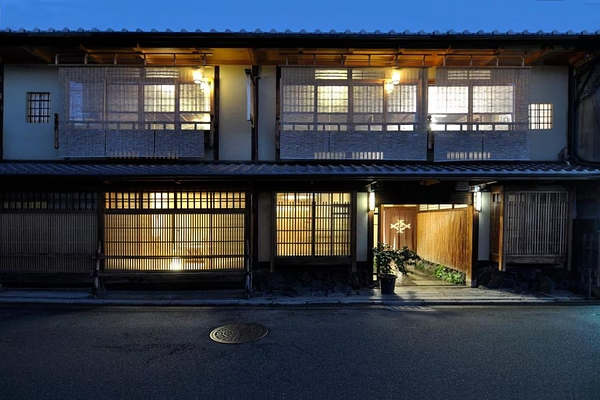
Hiiragiya, first established in 1818 as a transportation and seafood shipping endeavor, later opened one of Kyoto’s finest ryokans in 1861. Embracing the concept of “kachou fuugetsu,” or experiencing the oneness of nature and discovering one’s self, this inn boasts themed rooms rich in details such as lacquered bathrooms, Zen ink paintings, and hand-carved ranma. The main building features classic sukiya-zukuri architecture popular during the late Edo and early Meiji periods. The ryokan’s newer wing also follows traditional conventions but also adapts contemporary styles, creating a vibrant harmony between the old and new.
Hiiragiya also features event venues and a banquet hall featuring traditional architecture. There are also artisanal private bathing facilities with components made by famed master craftsmen.
Featured
Tokinenoyado Yunushi Ichijoh
Yunushi Ichijoh prides itself on its long and rich history, dating back to 1428, when Kamasaki Onsen opened. Its restorative and therapeutic springs have healed generations of Japanese people from all walks of life for centuries. Blending generations-old traditions and modern hospitality, the ryokan proudly wears its title of Tokine-no-Yado - Inn of the Sound of Time. Guests will sleep in sublime guestrooms that come in traditional and modern styles. Be treated to a signature Mori-no-Bansan kaiseki cuisine, incorporating generations of culinary knowledge and techniques, and recognized in the Miyagi Michelin Guide. And of course, bathe in the mystical waters of Kamasaki, long since treasured by the people of Sendai, since the time of the samurai.
Situated in the Kurashiki Bikan Historical Quarter, travelers staying at Ryokan Kurashiki will find themselves living like the townsfolk during the late Edo Period, nearly 200 years ago. The ryokan opened in 1957 and consists of a merchant's mansion and its storehouses. The inn and its management are committed to showcasing the rich heritage of Kurashiki through its architecture and experiences. Guests can choose from stylish and well-preserved historic suites, equipped with modern amenities for maximum comfort. Discover exciting flavors from the Setouchi Inland Sea, prepared in their signature kaiseki cuisine and the inn's partner restaurants. Immerse yourselves in the beauty and serenity of the historic quarter, buying from local shops and visiting shrines, libraries, and museums.
Asaba Ryokan is a traditional ryokan in Shuzenji, with a history spanning more than 500 years. It embodies traditional Japanese hospitality, with an unbroken continuing legacy of service courtesy of the Asaba family, who own and manage the ryokan. It features 11 rooms and the exclusive Villa Tenko, with amenities and services such as a Noh stage hosting traditional performances like Noh plays. Weddings are also held at the same stage. Cultural experiences abound at the ryokan, with multiple different performances of Japanese performance art by Living National Treasures of Japan all throughout the year. Guests can enjoy hot spring baths from the local onsen, kaiseki cuisine with local ingredients, and a serene setting that is in harmony with nature.