



Otsu Select dates Select guests
Search
2
0
1

Temple-stay WAQOO Mii-dera

Temple Stays & Monasteries Shintoism’s reverence for nature and Buddhism’s quest for inner peace led to shrines and temples in remote areas. To shelter pilgrims overnight, temple lodgings called shukubo were built. Today, they offer spiritual retreats with prayer readings and meditation. Experience tranquility at a historic shukubo—explore our curated list of serene temple stays and monasteries! 
Ancient to Early Medieval Every historic hotel tells a unique tale of its time. From Renaissance’s Gothic cathedrals to Japanese simplicity, each location reflects the culture, way of life, and architectural style of its era. This property belongs to Ancient to Early Medieval. Click to know more about this period.
4-Star
Onjojicho 246, 520-0036 Otsu, Japan
$1,241.00 /night for 2 adults View Deal

Popular Amenities

  • Garden
  • Family rooms
  • Air conditioning

Overview

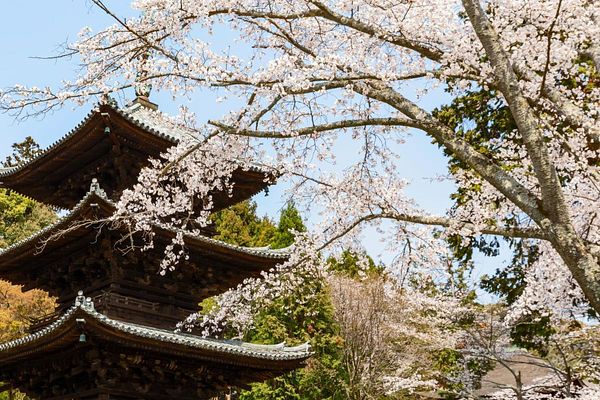
Offering a garden and quiet street view, Temple-stay WAQOO Mii-dera is your private escape surrounded by heritage and nature. The shukubou (temple stay) is located near the shores of Lake Biwa, surrounded by lush greenery like cherry trees that give the area a soft pink hue in spring. Japanese architect Tei Shuwa renovated the property in 2018, turning it into a room that captures the essence of Japanese minimalism. Connect with nature through activities like meditation and taste local flavors with a generous spread of shojin ryori delights.

Good 7.0
3 reviews

map Onjojicho 246, 520-0036 Otsu, Japan
View in map

Local Info

Ōtsu City Museum of Histor
Biwako Ōtsu-kan
Omi Shrine
Nearest Airport
Nearest Railway Station
View All

History

Mii-dera Temple, also known as Onjo-ji, is a large Buddhist temple complex that was founded on the site of a spring that was believed to have bathed some of Japan's emperors. The temple experienced countless tragedies in the years that followed, including a fire during the Gempei War and the War of the Northern and Southern Courts. However, it gained the nickname, "The Phoenix Temple", for its ability to rise again from the ashes and show its beauty.

Today, the temple invites visitors to experience its history and take a breather from the hustle and bustle of the city with a shukubou (temple stay).

History
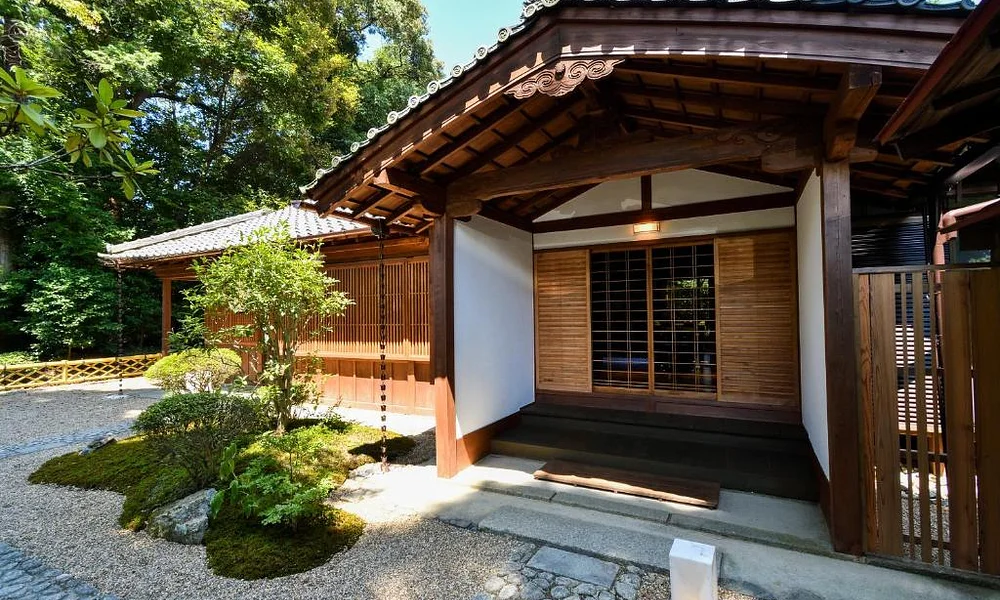
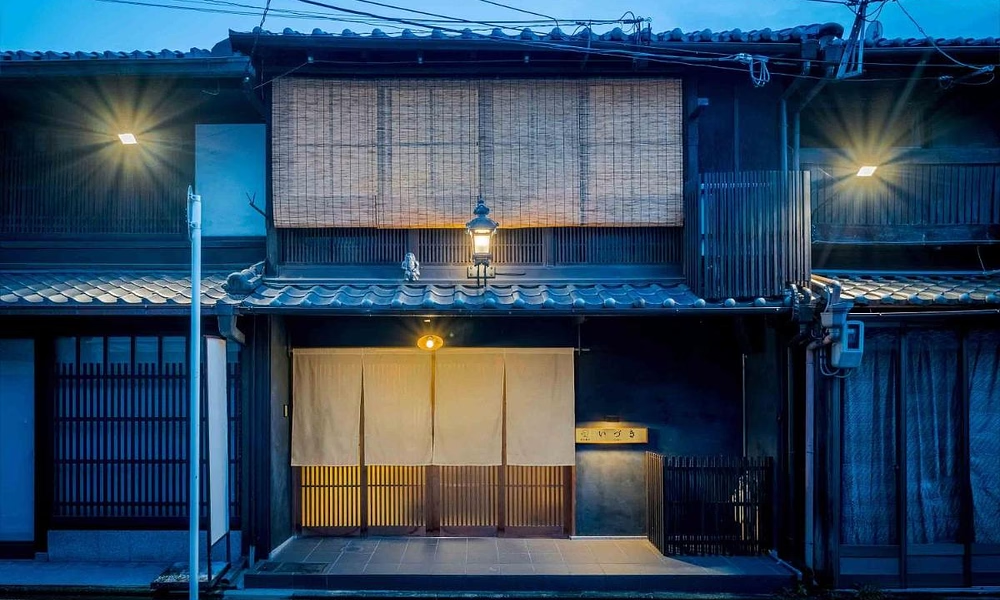
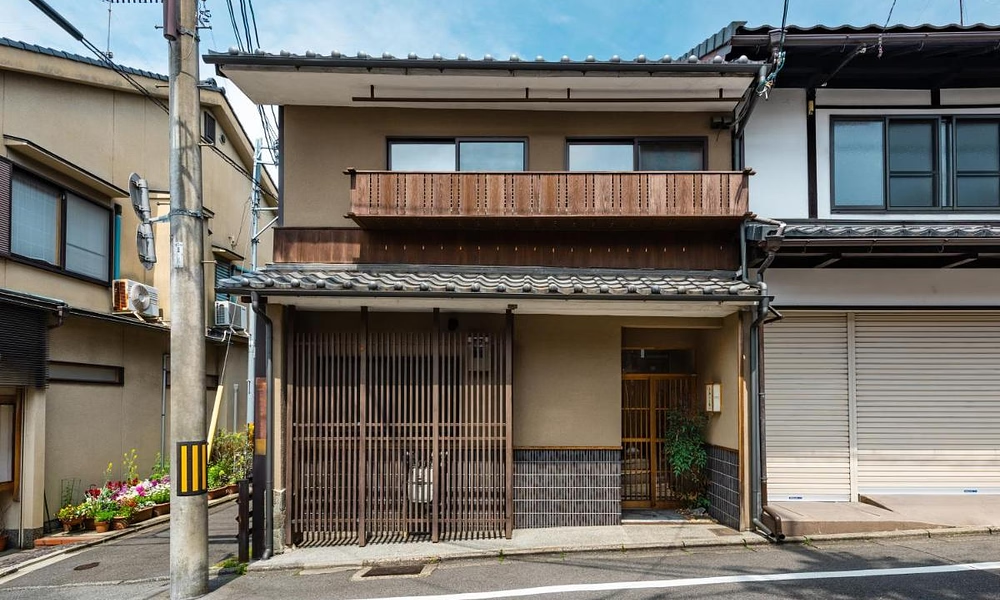
Exterior of the room at Temple-stay WAQOO Mii-dera

Design and Architecture

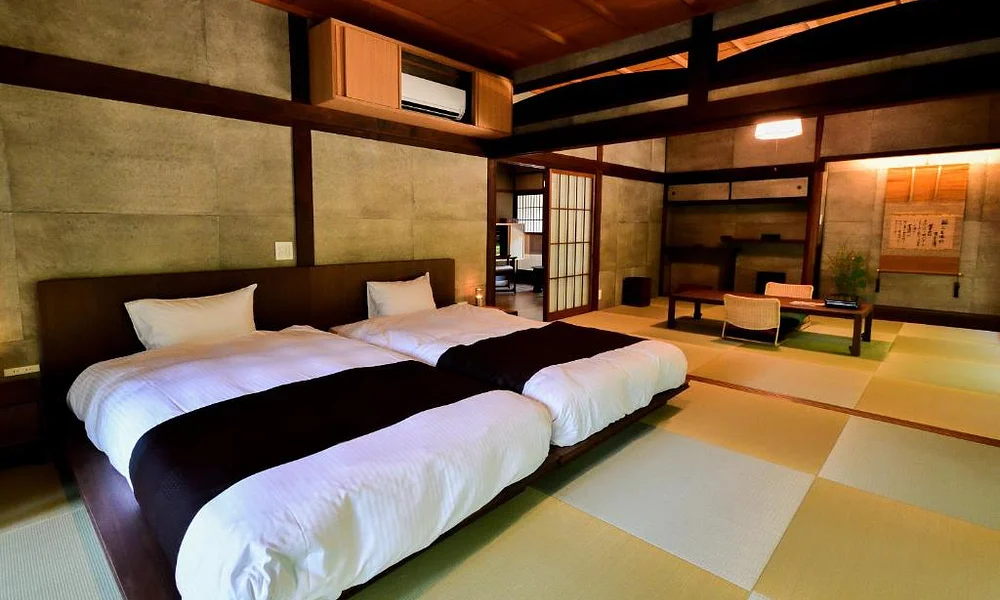
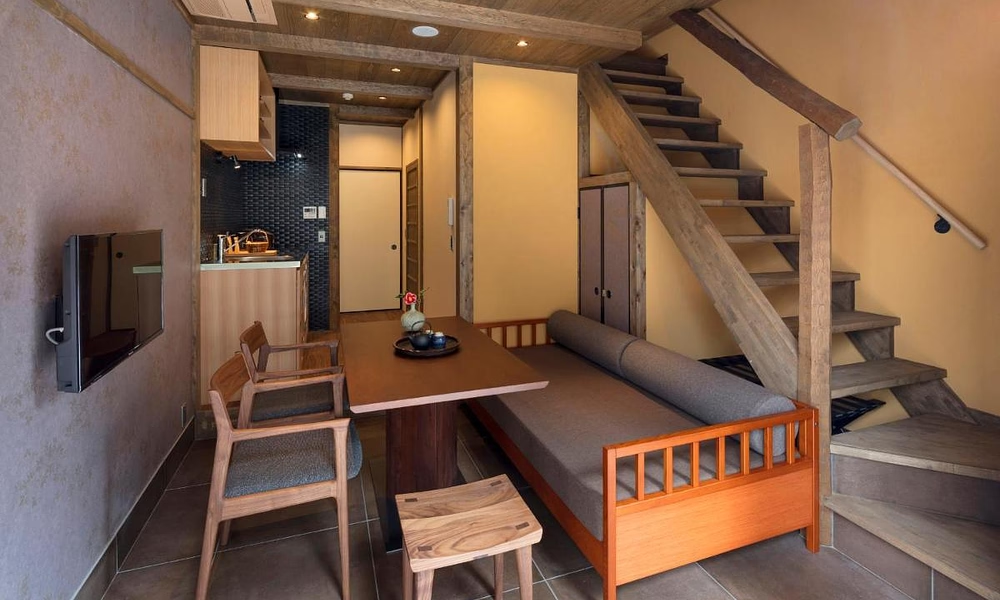
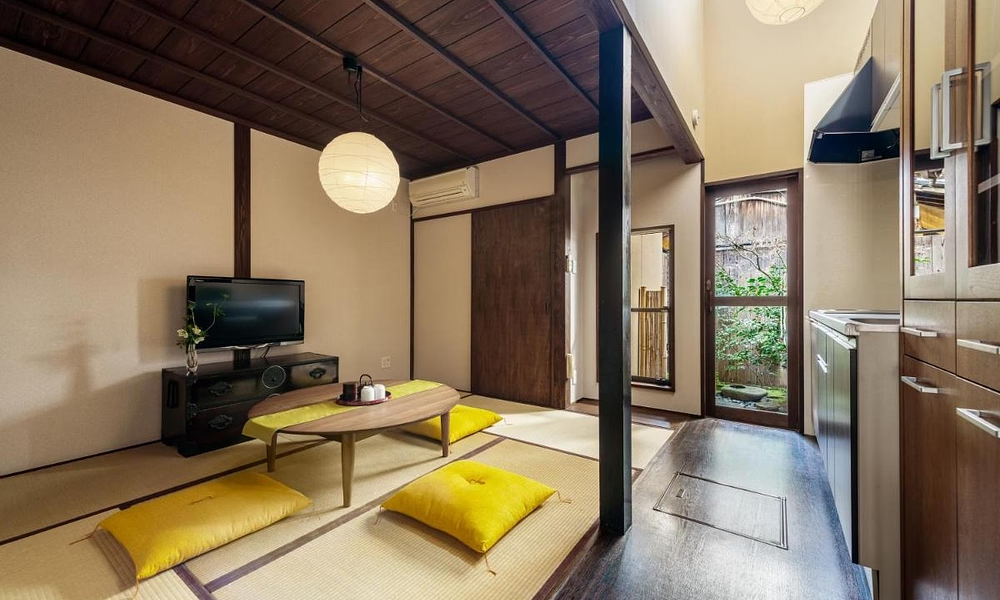
The room at Temple-stay WAQOO Mii-dera grants guests total privacy. Upon opening the doors, guests are welcomed with large beds and a view of a well-kept garden that looks picture-perfect across all seasons. At night, feel the warm ambiance of the property as soft lights illuminate the garden. Lounge in the living room or have a simple meal in the dining room with a kitchen. While small, guests can have simple meals prepared as it is equipped with necessary appliances like a refrigerator, microwave, and electric kettle.

Another unique feature from the property is the altar room with a statue of Fudo Myo-o, one of the Five Wisdom Kings in Japanese Buddhism, where guests can say a little prayer and meditate. A cypress soaking tub is also available for a relaxing dip after a day out exploring.

Hotel image
Spacious master bedroom with tatami flooring

Amenities

Popular Amenities

  • Garden
  • Family rooms
  • Air conditioning

Rooms

Standard Family Room


Guest

Room 4 Bed Type 2

Room size 176 m2

Price per night

$1,241.00

per night price includes taxes and charges
View deal

Dining

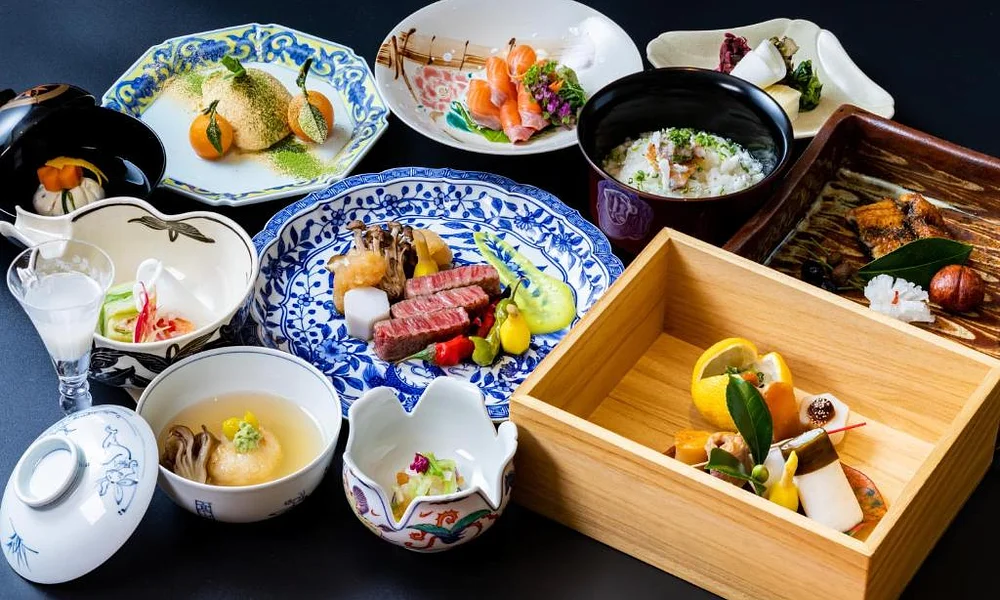
Temple-stay WAQOO Mii-dera proudly offers shojin ryori a vegetarian cuisine based on Buddhist principles of non-harm that's common in most temple stays. Main ingredients may include tofu, mushrooms, bamboo shoots, flowers, and rice, carefully prepared to bring out their flavors.

Fish and meat dishes are available and prepared using a technique called shiki-bochi, where food is prepared without touching it. Should you prefer this option, Kiyomoto Kenji, one of the few living experts in the art, will the meals with great care. The festive spread includes local and seasonal ingredients like Omi beef and eel from Lake Biwa.

Dining
Variety of meat and vegetable-based dishes served at Temple-stay WAQOO Mii-dera

Events and experiences

Temple stays are perfect because guests can take part in different activities and experiences that complement the tranquil and relaxing atmosphere of the place.

Find your inner zen with a guided zazen meditation in the reception hall or in the study room, both locations hailed as National Treasures. Guests can also join the temple's regular prayer sessions or go on a guided pilgrimage hike in the mountains for those who'd like to stay active and challenge themselves. Although tiring, the view of the mountains is definitely worth it.

The temple also offers exclusive access to restricted areas, which include a moon-viewing stage and a three-storied pagoda.

Book Venue
Events and experiences
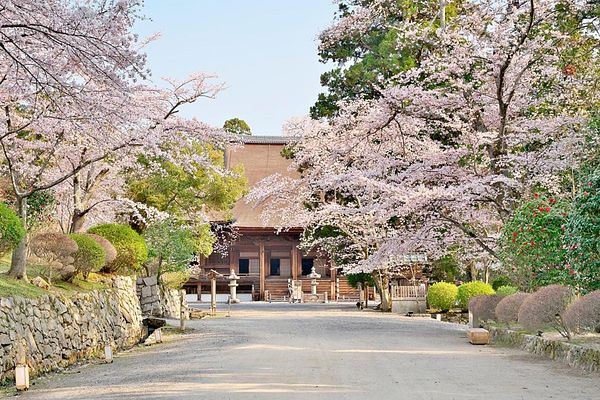
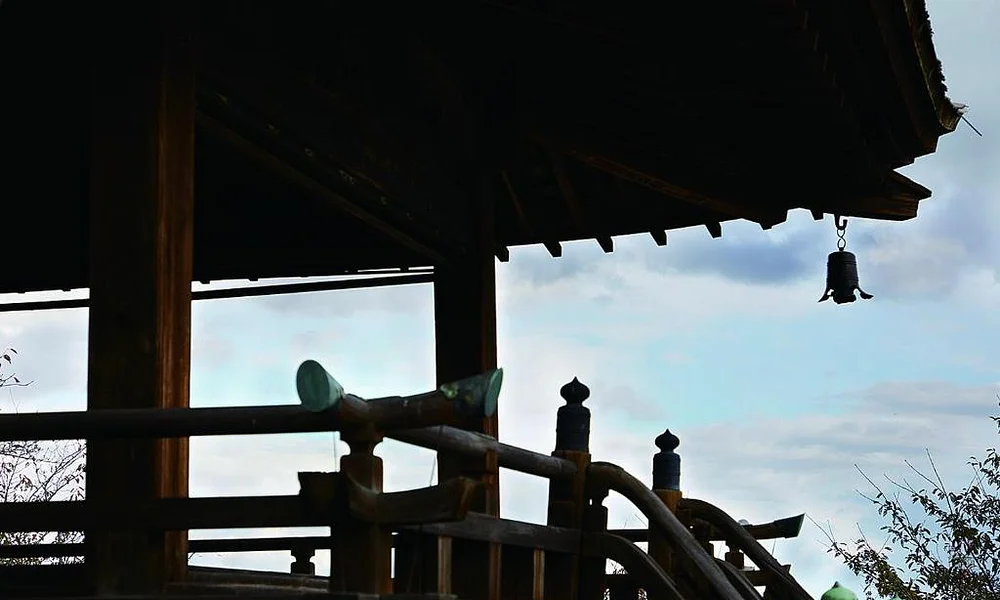
Temple grounds at Temple-stay WAQOO Mii-dera

Cultural etiquette

  • Bowing (ojigi): It's advisable to bow to show respect when greeting someone. It can also be done to show gratitude or convey an apology.
  • Shoe etiquette: You must remove your outside footwear before stepping on the elevated area of the genkan (entrance) and entering a house. You should also ensure not to step on the lower area of the genkan without your shoes on. Shoes must be kept facing the entrance. If you wear socks, they should be clean and without any holes.
  • Slipper etiquette: It's usually better to wear fresh socks or slippers inside the house, especially for formal situations. Make sure to remove your slippers before stepping into a room with tatami mats on the floor. There should also be a separate set of slippers for the washroom.
  • Dining etiquette: How you hold and place your chopsticks while dining is crucial. For example, they shouldn't be held upright when eating rice. You must also place them on a holder when you're not using them. It's good to say "Itadakimasu" before starting a meal and "Gochisousama deshita" after completing it.
  • Tipping etiquette: Tipping isn't a common practice in Japan and may be considered rude.
  • Luggage etiquette: Luggage, especially those with wheels, should be carried instead of being dragged across the floor as it might damage the tatami mats or wooden flooring.
  • Photography etiquette: Photography rules can change from place to place, so make sure to check for signs or ask the staff before taking pictures anywhere.
  • Queueing etiquette: Make sure to maintain queues and never cut in line.
  • Onsen etiquette: Some onsens don't allow tattoos, so check with the staff before getting into one. You must also shower and be clean before entering a shared onsen bath.
  • Bathing etiquette: Japanese baths include separate areas for washing while the tub itself is meant only for soaking. This means bathers must first wash, scrub, and rinse themselves before entering the bath tub.

Local Info

Ōtsu City Museum of Histor

Museum featuring dioramas and cultural relics about the city's development and history (10-minute walk)

Biwako Ōtsu-kan

Former hotel and now a cultural space with gardens and a restaurant (9-minute drive)

Omi Shrine

Shinto shrine dedicated to Emperor Tenji, the 38th Emperor of Japan (7-minute drive)

Nearest Airport

The nearest airport to Temple-stay WAQOO Mii-dera is Osaka Itami Airport, a 52-minute drive away.

Nearest Railway Station

The nearest railway station to the property is Miidera Station, only a 5-minute drive away.

Frequently Asked Questions

You Might Also Like

Izuki Machiya House
1 km from airport This is a straight-line distance from Kyoto. Actual travel distance may vary.

Izuki Machiya House

Machiya  Machiya are traditional Japanese townhouses, especially in Kyoto, but also found in Naraijuku, Kanazawa, Takayama, and Kurashiki. Although construction ceased after the 1950 Building Standards Act, many historic machiya remain, offering visitors a glimpse into Japan’s architectural heritage. Check our list of machiyas for a memorable vacation! 
4-Star 9.7
Early Modern & Colonial Expansion Every historic hotel tells a unique tale of its time. From Renaissance’s Gothic cathedrals to Japanese simplicity, each location reflects the culture, way of life, and architectural style of its era. This property belongs to Early Modern & Colonial Expansion. Click to know more about this period.
珠数屋町112, 600-8348 Nishi-kujō-Toriiguchichō, Japan
$335.00 total
Akane an Machiya House
1 km from airport This is a straight-line distance from Kyoto. Actual travel distance may vary.

Akane an Machiya House

Machiya  Machiya are traditional Japanese townhouses, especially in Kyoto, but also found in Naraijuku, Kanazawa, Takayama, and Kurashiki. Although construction ceased after the 1950 Building Standards Act, many historic machiya remain, offering visitors a glimpse into Japan’s architectural heritage. Check our list of machiyas for a memorable vacation! 
4-Star 7.7
Industrial & Imperial Era Every historic hotel tells a unique tale of its time. From Renaissance’s Gothic cathedrals to Japanese simplicity, each location reflects the culture, way of life, and architectural style of its era. This property belongs to Industrial & Imperial Era. Click to know more about this period.
Nakagyo-ku Kaji-cho 172-14, 604-8267 Kyoto, Japan
$235.00 total
Hinaya Higashiyama Machiya House
30 km from airport This is a straight-line distance from Komatsu Airport. Actual travel distance may vary.

Hinaya Higashiyama Machiya House

Machiya  Machiya are traditional Japanese townhouses, especially in Kyoto, but also found in Naraijuku, Kanazawa, Takayama, and Kurashiki. Although construction ceased after the 1950 Building Standards Act, many historic machiya remain, offering visitors a glimpse into Japan’s architectural heritage. Check our list of machiyas for a memorable vacation! 
4-Star 9.0
Industrial & Imperial Era Every historic hotel tells a unique tale of its time. From Renaissance’s Gothic cathedrals to Japanese simplicity, each location reflects the culture, way of life, and architectural style of its era. This property belongs to Industrial & Imperial Era. Click to know more about this period.
Higashiyama 3-31-10, 920-0831 Kanazawa, Japan
$313.00 total
Garaku-an Machiya
2 km from airport This is a straight-line distance from Kyoto. Actual travel distance may vary.

Garaku-an Machiya

Machiya  Machiya are traditional Japanese townhouses, especially in Kyoto, but also found in Naraijuku, Kanazawa, Takayama, and Kurashiki. Although construction ceased after the 1950 Building Standards Act, many historic machiya remain, offering visitors a glimpse into Japan’s architectural heritage. Check our list of machiyas for a memorable vacation! 
4-Star 9.0
Early Modern & Colonial Expansion Every historic hotel tells a unique tale of its time. From Renaissance’s Gothic cathedrals to Japanese simplicity, each location reflects the culture, way of life, and architectural style of its era. This property belongs to Early Modern & Colonial Expansion. Click to know more about this period.
Shimogyo-ku Minamikyogoku-cho 74-1, 600-8117 Kyoto, Japan
$542.00 total
Bonbori-an Machiya House
3 km from airport This is a straight-line distance from Kyoto. Actual travel distance may vary.

Bonbori-an Machiya House

Machiya  Machiya are traditional Japanese townhouses, especially in Kyoto, but also found in Naraijuku, Kanazawa, Takayama, and Kurashiki. Although construction ceased after the 1950 Building Standards Act, many historic machiya remain, offering visitors a glimpse into Japan’s architectural heritage. Check our list of machiyas for a memorable vacation! 
4-Star 9.4
Early Modern & Colonial Expansion Every historic hotel tells a unique tale of its time. From Renaissance’s Gothic cathedrals to Japanese simplicity, each location reflects the culture, way of life, and architectural style of its era. This property belongs to Early Modern & Colonial Expansion. Click to know more about this period.
Higashiyama-ku Yasaka Kamimachi 374-10 , 605-0827 Kyoto, Japan
$371.00 total
Hanagoromo Machiya House
2 km from airport This is a straight-line distance from Kyoto. Actual travel distance may vary.

Hanagoromo Machiya House

Machiya  Machiya are traditional Japanese townhouses, especially in Kyoto, but also found in Naraijuku, Kanazawa, Takayama, and Kurashiki. Although construction ceased after the 1950 Building Standards Act, many historic machiya remain, offering visitors a glimpse into Japan’s architectural heritage. Check our list of machiyas for a memorable vacation! 
4-Star 8.6
Industrial & Imperial Era Every historic hotel tells a unique tale of its time. From Renaissance’s Gothic cathedrals to Japanese simplicity, each location reflects the culture, way of life, and architectural style of its era. This property belongs to Industrial & Imperial Era. Click to know more about this period.
Shimogyo-ku Shimozaimokucho 446, 600-8017 Kyoto, Japan
$242.00 total
Choya Chawanzaka Machiya House
3 km from airport This is a straight-line distance from Kyoto. Actual travel distance may vary.

Choya Chawanzaka Machiya House

Machiya  Machiya are traditional Japanese townhouses, especially in Kyoto, but also found in Naraijuku, Kanazawa, Takayama, and Kurashiki. Although construction ceased after the 1950 Building Standards Act, many historic machiya remain, offering visitors a glimpse into Japan’s architectural heritage. Check our list of machiyas for a memorable vacation! 
4-Star 9.5
Industrial & Imperial Era Every historic hotel tells a unique tale of its time. From Renaissance’s Gothic cathedrals to Japanese simplicity, each location reflects the culture, way of life, and architectural style of its era. This property belongs to Industrial & Imperial Era. Click to know more about this period.
Higashiyama-ku Gojobashihigashi 6-583-51, 605-0846 Kyoto, Japan
$378.00 total
Kohaku-an Machiya House
3 km from airport This is a straight-line distance from Kyoto. Actual travel distance may vary.

Kohaku-an Machiya House

Machiya  Machiya are traditional Japanese townhouses, especially in Kyoto, but also found in Naraijuku, Kanazawa, Takayama, and Kurashiki. Although construction ceased after the 1950 Building Standards Act, many historic machiya remain, offering visitors a glimpse into Japan’s architectural heritage. Check our list of machiyas for a memorable vacation! 
4-Star 9.3
Industrial & Imperial Era Every historic hotel tells a unique tale of its time. From Renaissance’s Gothic cathedrals to Japanese simplicity, each location reflects the culture, way of life, and architectural style of its era. This property belongs to Industrial & Imperial Era. Click to know more about this period.
Higashiyama-ku Sennyuji Suzumegamori-cho 3-8, 605-0975 Kyoto, Japan
$206.00 total
Suigetsu Machiya House
2 km from airport This is a straight-line distance from Kyoto. Actual travel distance may vary.

Suigetsu Machiya House

Machiya  Machiya are traditional Japanese townhouses, especially in Kyoto, but also found in Naraijuku, Kanazawa, Takayama, and Kurashiki. Although construction ceased after the 1950 Building Standards Act, many historic machiya remain, offering visitors a glimpse into Japan’s architectural heritage. Check our list of machiyas for a memorable vacation! 
4-Star 8.5
Industrial & Imperial Era Every historic hotel tells a unique tale of its time. From Renaissance’s Gothic cathedrals to Japanese simplicity, each location reflects the culture, way of life, and architectural style of its era. This property belongs to Industrial & Imperial Era. Click to know more about this period.
Higashiyama-ku Kadowakicho 187-5, 605-0843 Kyoto, Japan
$299.00 total
Nadeshiko Shirakawa Machiya
3 km from airport This is a straight-line distance from Kyoto. Actual travel distance may vary.

Nadeshiko Shirakawa Machiya

Machiya  Machiya are traditional Japanese townhouses, especially in Kyoto, but also found in Naraijuku, Kanazawa, Takayama, and Kurashiki. Although construction ceased after the 1950 Building Standards Act, many historic machiya remain, offering visitors a glimpse into Japan’s architectural heritage. Check our list of machiyas for a memorable vacation! 
4-Star 9.0
Industrial & Imperial Era Every historic hotel tells a unique tale of its time. From Renaissance’s Gothic cathedrals to Japanese simplicity, each location reflects the culture, way of life, and architectural style of its era. This property belongs to Industrial & Imperial Era. Click to know more about this period.
Higashiyama-ku Minamikinomoto-cho 539-6, 605-0015 Kyoto, Japan
$214.00 total

Customer Reviews

Dining

The food is beautiful and tasty, and the service is extraordinarily good.