



Discover the Sun Temple in Modhera, where ancient astronomy, exquisite stone carvings, and timeless devotion come together in Gujarat.
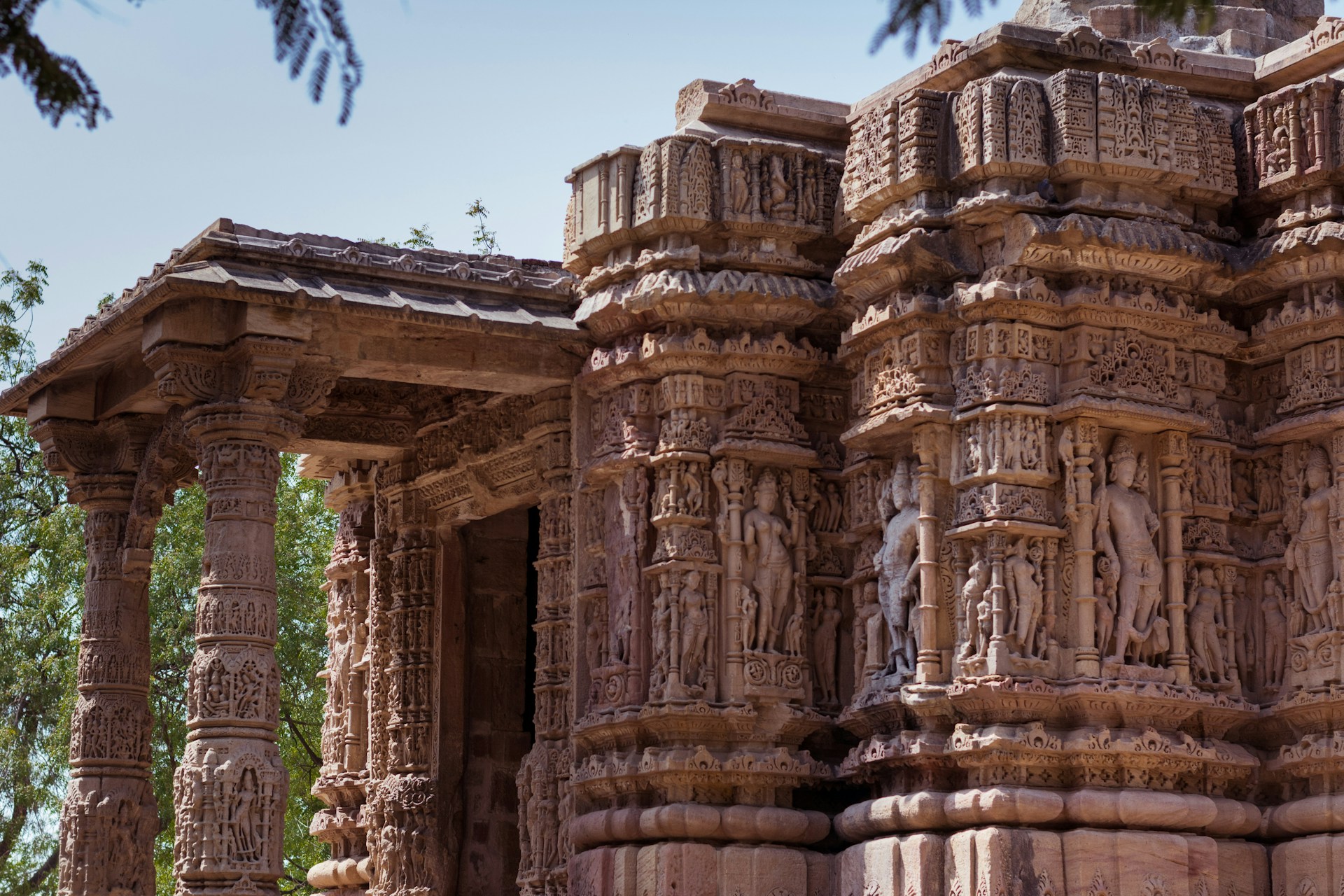
January 23, 2026Rising from Gujarat's landscape, The Sun Temple at Modhera is an 11th-century monument dedicated to Surya, the Sun god. Known for its precise solar alignment and exquisite stone carvings, the temple was designed so that the rising sun would illuminate the sanctum during equinoxes. Its integration of astronomy, ritual, and architecture makes it one of India's most remarkable examples of medieval sacred design.
The Garbhagriha is aligned so that during the solar equinoxes, the first rays of the rising sun fall directly onto the idol of the Sun God, Surya.
The Sun Temple at Modhera was constructed in 1026-27 CE during the reign of King Bhima I of the Solanki dynasty, a period marked by artistic and architectural flourishing in western India. Dedicated to Surya, the sun god, the temple reflects a long-standing tradition of solar worship. Inscriptions and other evidence further suggest that Modhera was more than a shrine, but a ceremonial complex.
One of the temple's most notable features is its precise solar alignment, and the first rays of the equinox sunrise would illuminate the sanctum, symbolizing the divine presence of the sun itself. Its complex layout guided devotees through a carefully choreographed ritual journey.
The temple's fortunes changed during the Islamic invasions in the 11th to 13th centuries, leading to the destruction of the sanctum. Abandoned over time, the temple survived as a ruin until the Archaeological Survey of India (ASI) undertook conservation and restoration efforts, recognizing the site as a protected monument. Today, the Sun Temple stands as a powerful testament to medieval India's scientific knowledge, artistic excellence, and enduring cultural heritage.
The best time to visit Sun Temple is from October to March during the cooler months. As for the time, it's best to visit in the afternoon or during sunset, as the orange hues of the sky create a painting-like scenery. You can also visit in the morning as the ambiance looks peaceful and dreamy after the sunrise.
There's no dress code when visiting Sun Temple, but make sure to wear clothing that covers the upper arms and legs as a sign of respect. Avoid wearing overly revealing clothing like miniskirts, shorts, and sleeveless tops when visiting.
Aside from the sanctum, also check out the surrounding carvings to get a deeper understanding of the past rituals and their architectural significance.
Photography is generally allowed, but avoid climbing on structures or touching carvings as a show of respect.
If possible, visit during the Modhera Dance Festival, when classical performances animate the temple and revive its historic role as a cultural space.
There are limited dining options around the temple, so it's best to eat before visiting the temple to avoid fatigue.
Guides are available to learn more interesting facts and other stories associated with the temple.
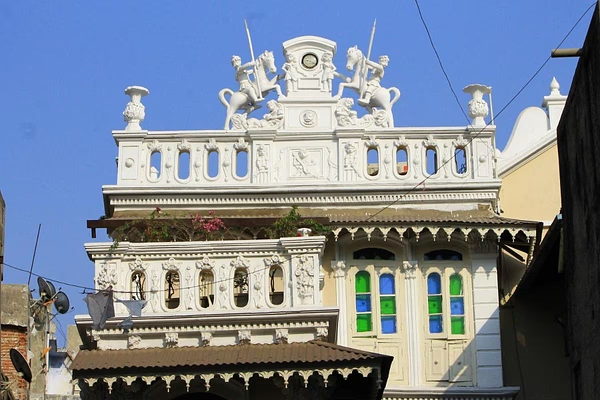
Despite being over 150 years old, this beautiful Gujarati home called French Haveli stands out for its gorgeous, well-maintained exterior and architecture. The home is hidden in the streets and alleys of Ahmedabad, tucked away in a community called a pol. Travelers booking a stay here can experience a very authentic and down-to-earth holiday, close to how native Gujaratis live their daily lives. Since French Haveli operates as a bed & breakfast, you can start your day every morning with a wonderful breakfast. The hosts will also be glad to give recommendations on where to find cultural experiences, as well as interesting places to go to.
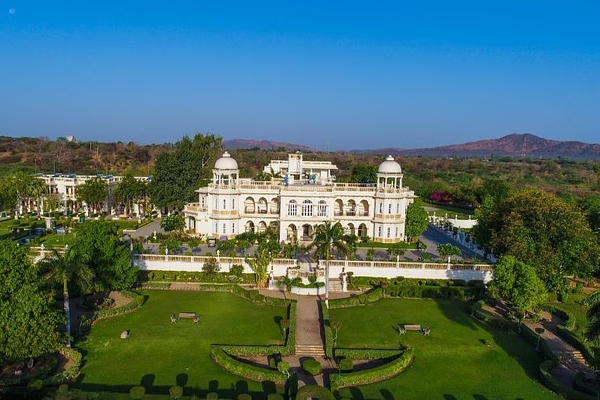
One of the Princely States of Gujarat, Palanpur was ruled by the House of Lohani for centuries before the arrival of the Europeans. In 1918, Nawab Sir Taley Muhammad Khan Lohani ascended to the throne and set about several building projects, one of which was Balaram Palace. Started in 1922 and finished in 1936, this former hunting lodge was crafted in sophisticated Neoclassical and Baroque architecture, and features verdant landscaped gardens where royalty played and feasted. Today, it is operated as a luxurious resort, where travelers from all over can sleep in stylish accommodations and dine in exquisite Gujarati cuisine. The palace is also close to Palanpur's attractions, such as Balaram Ambaji Wildlife Sanctuary and Joravar Palace.